The Best Workout Plan Is the One You Actually Follow
You've read every Reddit thread, saved dozens of YouTube videos, and started a new plan every Monday. Here's what actually drives muscle growth - and it's not the split.
 Maciej Glowacki
We've been there. Spending more time reading about workout programs than actually training.
Monday was always "the fresh start." A new split from a new YouTube video. PPL this week. Full body next week. Upper/lower the week after. 47 saved videos, three spreadsheets, and zero progress to show for it.
If that sounds familiar, this article is for you.
The workout plan you follow matters far less than you think. What matters is everything around it. And once you accept that, training gets a lot simpler.
What actually drives muscle growth
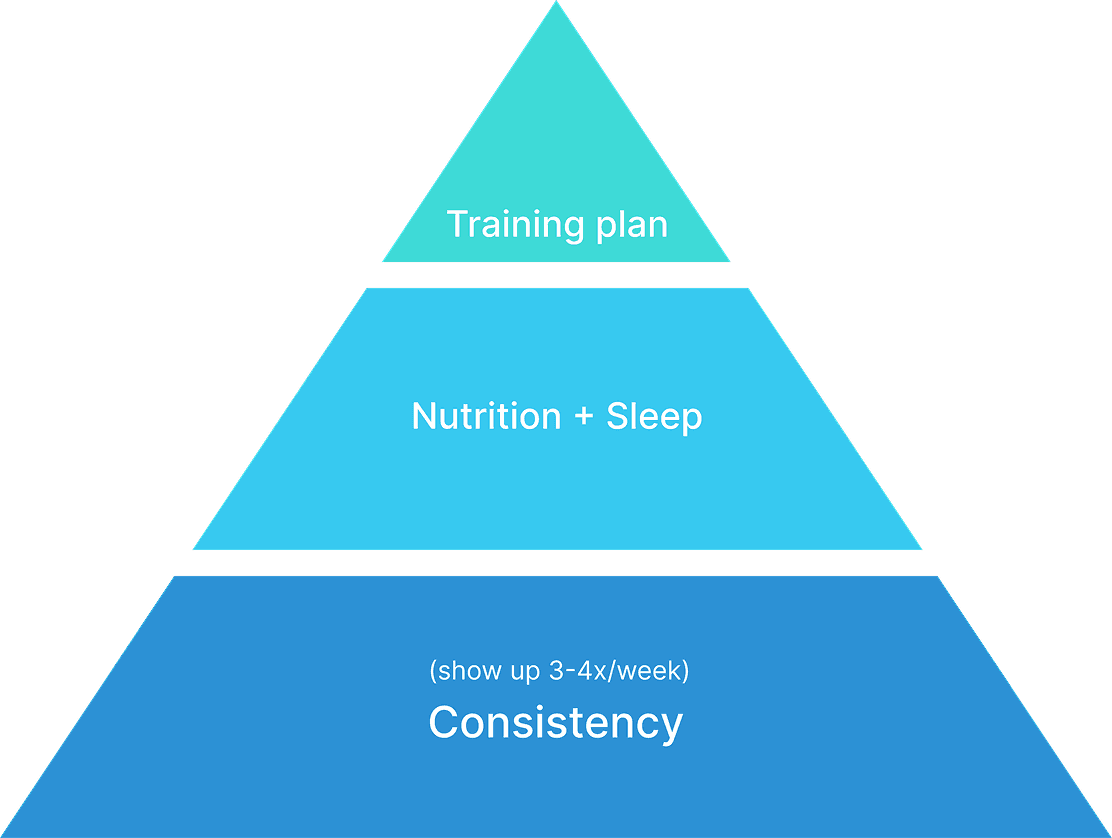
This is roughly what determines your results, ordered by impact:
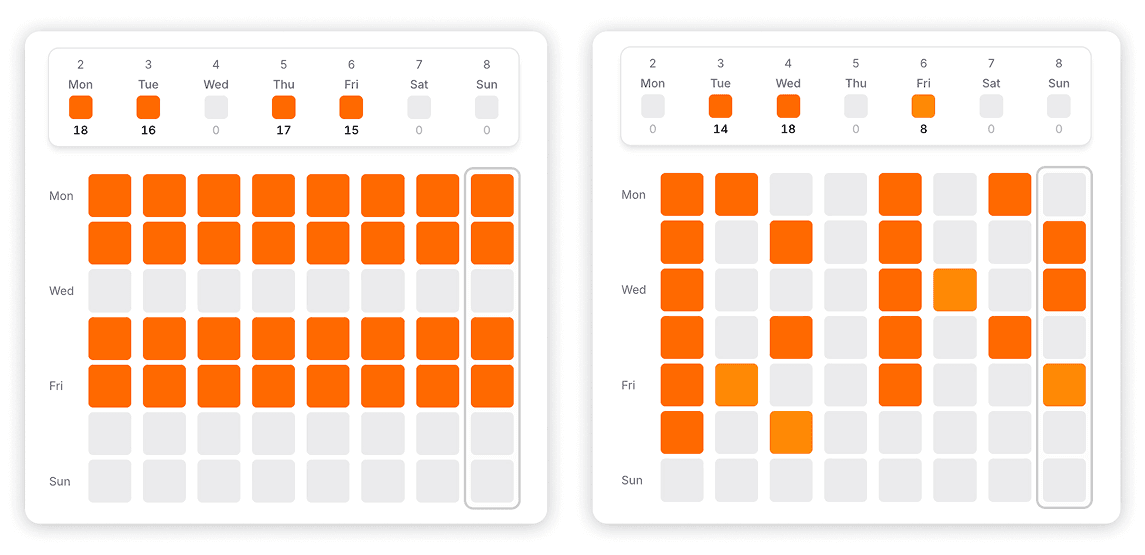
- Consistency. Showing up 3-4 times per week, every week, for months.
- Nutrition. Eating enough protein and calories to fuel muscle building.
- Sleep. 7-8 hours. Growth hormone peaks during deep sleep.
- Progressive overload. Gradually adding weight or reps over time.
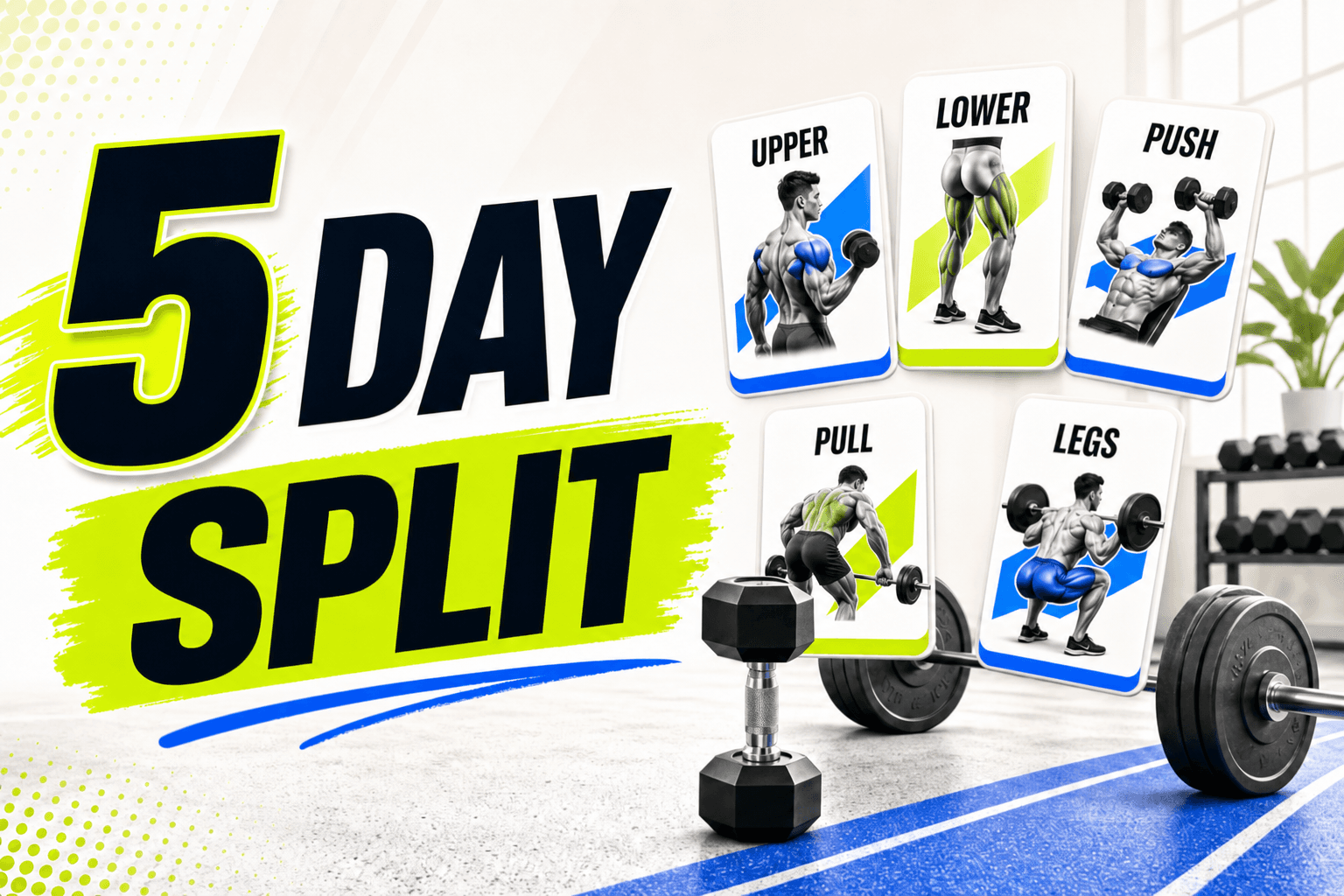
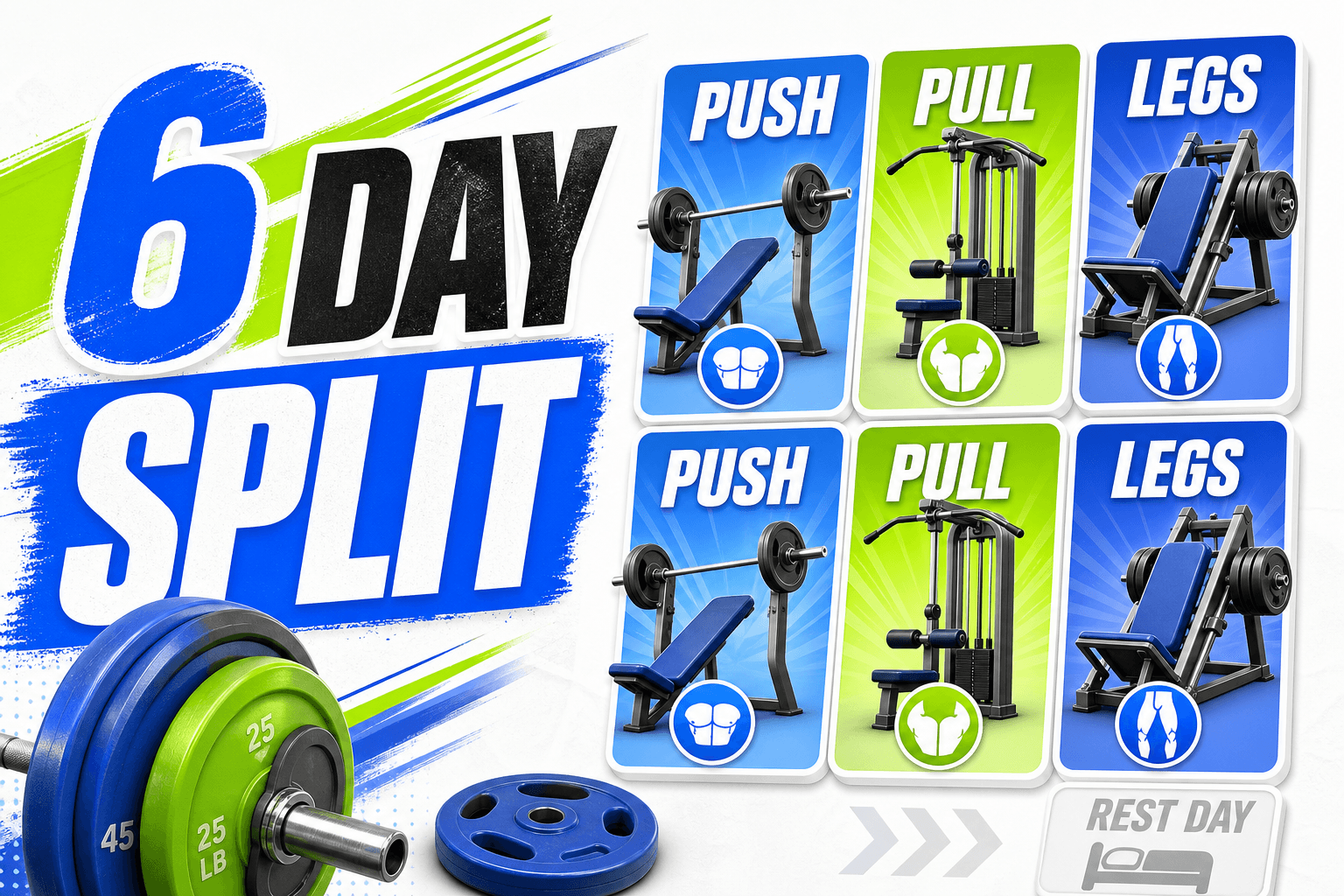
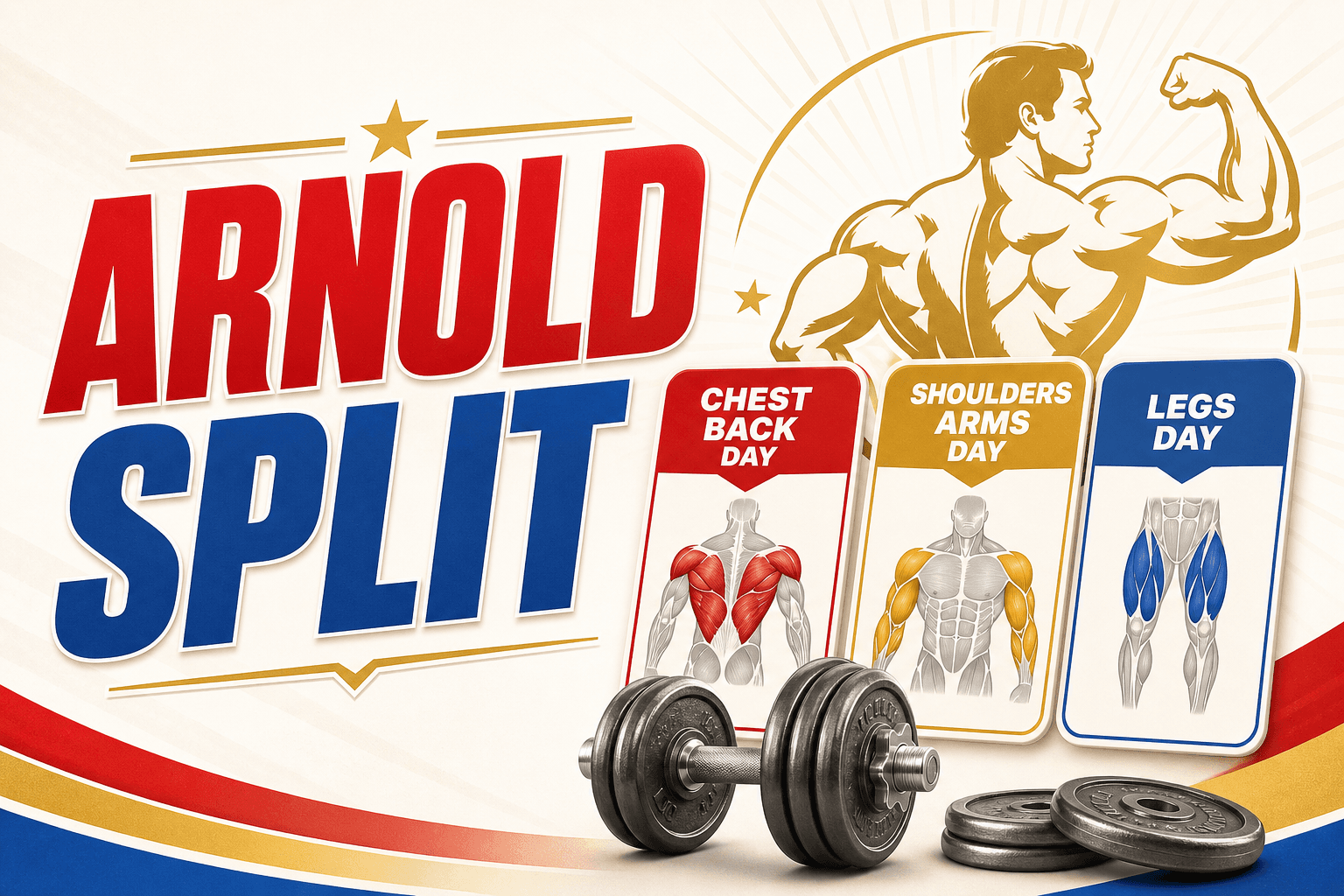
- The specific workout program. Full body, PPL, upper/lower, bro split.
Notice where the plan sits? At the bottom. It matters, but it's maybe 10-15% of your results. The other 85-90% is showing up, eating, and sleeping.
Why changing your workout routine every week kills progress
Every time you switch programs, you reset the clock on adaptation. Your body needs weeks to adapt to a movement pattern, learn to recruit the right muscles, and start making strength gains on that specific exercise.
When you switch after two weeks:
- You never get past the "learning the movements" phase
- You mistake the novelty of a new program for progress
- You lose the weeks you already invested (that adaptation doesn't carry over perfectly)
- You spend mental energy researching instead of training
The person in your gym who's actually making progress? They've been doing roughly the same exercises for months. It's boring. It works.
Don't ask "which workout plan is the best?" Ask: "which plan can I follow for the next 8 weeks without wanting to quit?"
How to choose a workout plan (and stop choosing)
You don't need the perfect gym routine. You need one that checks four boxes:
- Fits your schedule. Can you realistically train 3 days? 4? 5? Pick a workout split that matches. If you can train 3 days, full body is great. 4 days? Upper/lower. 5-6? PPL works. Don't pick a 6-day split when you can commit to 3. You'll feel guilty on rest days and quit by week 3.
- Covers all major muscle groups each week. Chest, back, shoulders, legs, arms. Any decent workout program handles this.
- Has a progression scheme. More weight or more reps over time. This is progressive overload, and without it you're just exercising, not training.
- You enjoy it. If you hate leg day on a PPL split, you'll skip it. Pick movements you don't dread.
Most fitness content won't tell you this: when researchers compare training splits head-to-head, hypertrophy outcomes are nearly identical when weekly volume is equated. Full body, PPL, upper/lower. Same rate of muscle growth.
The best workout plan is the one you actually follow. That's not a motivational quote. It's what the data shows.
Nutrition, sleep, and recovery: where muscle is actually built
Your muscles don't grow during the workout. The workout creates micro-damage. Growth happens when you eat, sleep, and recover. That's why someone training 3 times per week with solid nutrition will out-gain someone training 6 times per week on fast food and 5 hours of sleep.
Nutrition
Muscles are built in the kitchen. You need two things:
- Enough protein. Aim for 1.6-2.2g per kg of bodyweight daily. For an 80 kg person, that's 128-176g of protein. Spread it across 3-4 meals. A macro calculator can help you figure out your split.
- Enough total calories. You can't build muscle in a significant deficit. If you're trying to grow, eat at maintenance or slightly above. Use our TDEE calculator to figure out where maintenance is for you.
You don't need meal plans or supplements. You need chicken, rice, eggs, and consistency. Track your meals for one week with any free app - most people who think they eat enough are 500+ calories short.
Use a calorie calculator to find your baseline, then adjust based on the scale and the mirror over two or three weeks.
Sleep
Growth hormone peaks during deep sleep. Testosterone too. If you're sleeping 5-6 hours, you're leaving gains on the table that no workout program can compensate for.
7-8 hours. Non-negotiable.
Recovery
Rest days are growth days. Your muscles repair and grow stronger when you're not training. If you feel guilty about rest days, go for a walk. But don't add an extra gym session because you feel like you "should be doing more."
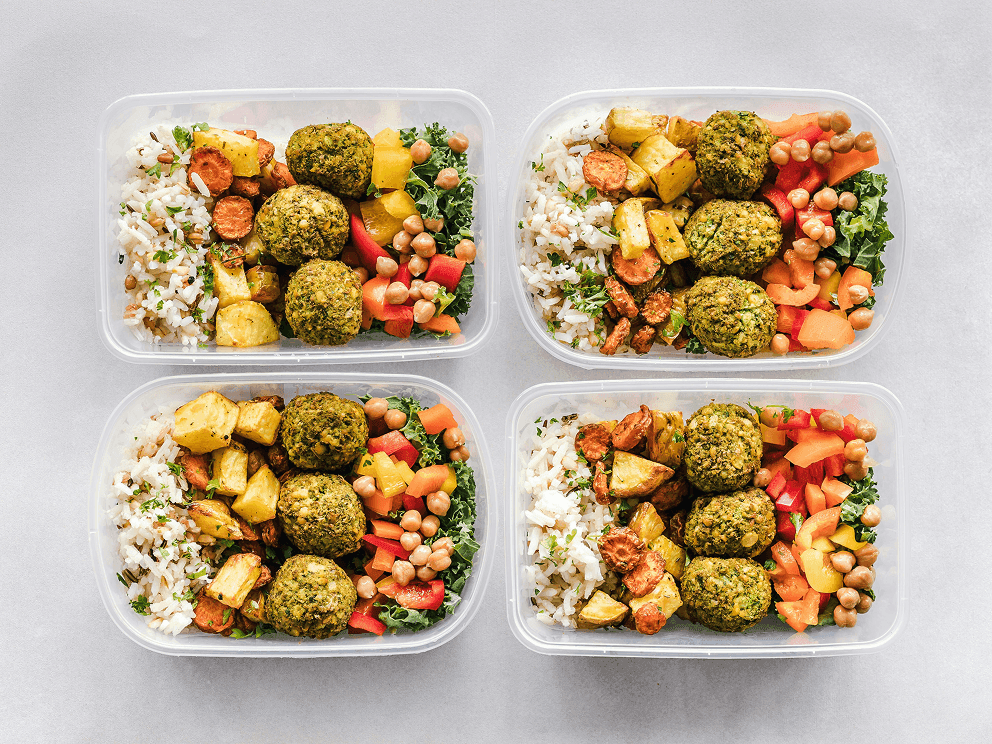
Track your meals for one week. Most people who think they eat enough are 500+ calories short of what they need to grow. A calorie calculator gives you a starting point.
How to actually stick with one workout plan
Easy to know. Harder to do, especially when your favorite fitness YouTuber drops a new program and it looks way better than yours. We know the feeling. A few things that help:
- Pick one plan. Today. Not tomorrow. Not after "one more week of research." Today.
- Commit for 8 weeks minimum. Write it down. Tell someone. Set a calendar reminder for week 8 when you're allowed to evaluate.
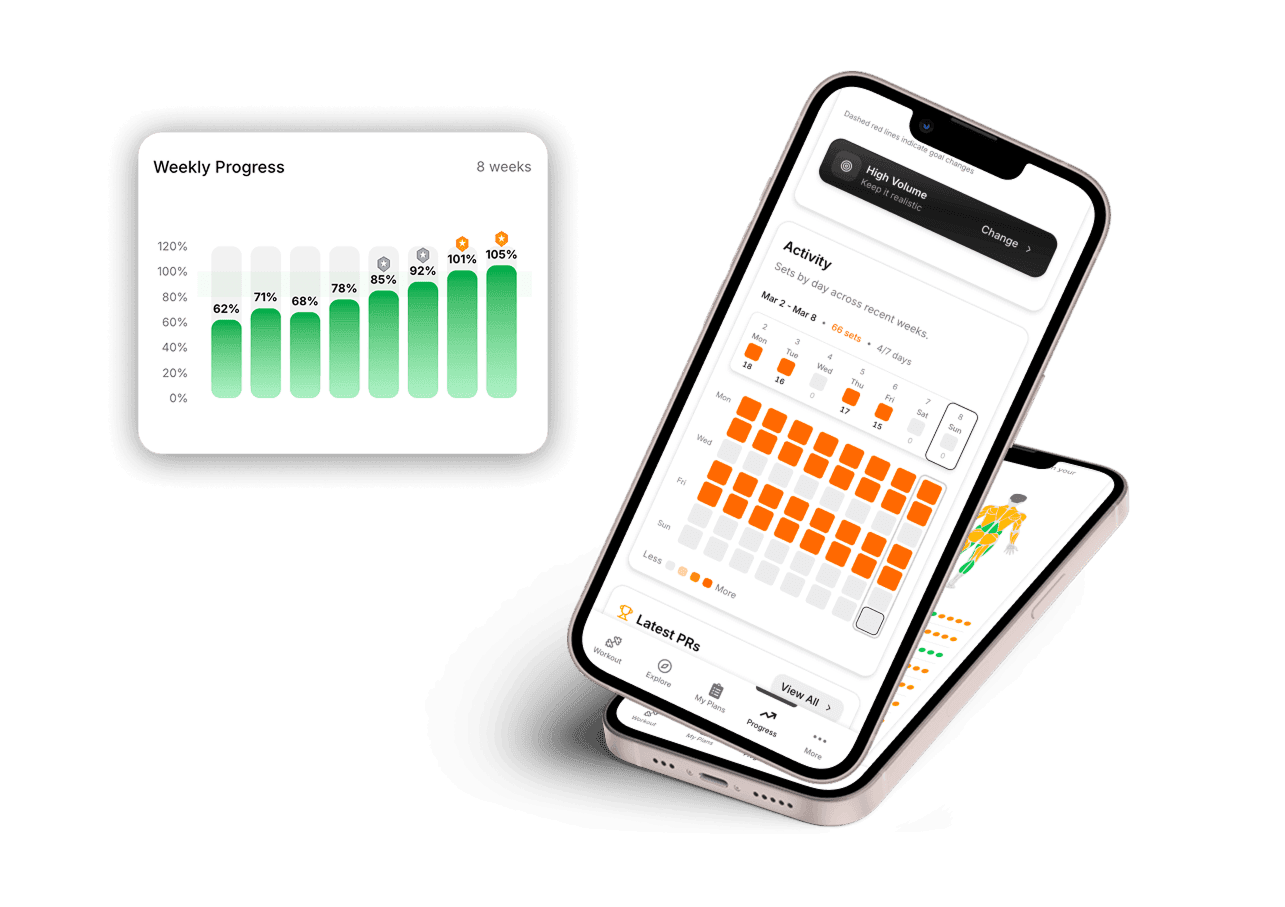
- Track your workouts. When you can see that your bench went from 60 kg to 70 kg over 6 weeks, you won't want to switch. Progress is the best motivator. Open Hypro in your browser, log sets in seconds, and install it from the web when you want it on your Home Screen.
- Take progress photos every 2 weeks. The mirror lies because you see yourself daily. Photos taken in the same light, same angle, same time of day show changes you can't see in real time.
- Measure what matters. Bodyweight, key lifts (squat, bench, deadlift, overhead press), and tape measurements around arms, chest, and legs.
After 8 weeks, look at the data. If lifts went up, measurements changed, and photos show progress - the program is working. Keep going. If nothing moved, adjust one variable (usually nutrition) before blaming the gym routine.
Take the decision off your plate
If choosing a plan is what's holding you back, stop choosing. The mental energy you spend comparing programs is energy that could go toward meal prep, sleep, or an actual workout.
You can write down your own plan on paper or try our demo sessions in Hypro web app to get a feel for structured training. But for the best results, pick one training plan and commit to it. Log every session, check your progress over time, and let the data tell you what's working.
With Hypro, every workout is laid out step by step. Open it from your browser or Home Screen, see what to do, log your sets, leave. No thinking, no planning mid-session. A trainer can take it further by building your program and guiding your nutrition so the only job you have is showing up.
The best time to start was months ago. The second best time is today, with whatever plan you have in front of you.

Maciej Glowacki
Founder and CEO of Hypro. Built the platform from the ground up with years of hands-on lifting experience.