10 Ways to Burn More Calories Without Living on a Treadmill
You do not need to turn every evening into a cardio session. Daily movement, sensible food choices, sleep, and a little planning can raise energy expenditure or make a calorie deficit easier to keep. The useful goal is not to chase a perfect calorie number. It is to build a day that quietly asks more of your body without wrecking your lifting or your life.
 Maciej Glowacki
The watch says your workout burned 487 calories. The treadmill says 612. Neither number knows you well enough to be that confident.
A better approach is to treat calorie-burn estimates as rough signals and focus on behaviors you can repeat. Your total daily energy expenditure (TDEE) includes the energy used to keep you alive, digest food, move through normal life, and exercise. Resting metabolism is usually the largest part. Movement is the part you can change most directly from one day to the next.
NEAT, or non-exercise activity thermogenesis, covers movement outside planned exercise: walking to the shop, carrying groceries, cleaning, standing, and fidgeting. It can vary substantially between people and within the same person as routines change. That makes it useful, but not precisely predictable.
The ten ideas below are ordered by practicality. You do not need all of them. Pick the one that fits your actual week.
The short version: Increase movement from your current baseline, not from an arbitrary target. Keep resistance training focused on strength and muscle, not on chasing the highest calorie display. Use sleep and protein to support appetite, recovery, and muscle retention. Then judge the plan from several weeks of body-weight trends, waist measurements, hunger, and gym performance.
Seven changes outside the gym
1. Add steps to your current baseline
Ten thousand steps is not a metabolic border checkpoint. If you currently average 4,500, moving toward 6,000 is a real improvement. If you already average 11,000, another forced walk may be less useful than better sleep or food planning.
Check your seven-day average, add a manageable amount, and hold it for two weeks. An extra 1,000 to 2,000 daily steps is a practical experiment for many people. The calories will depend on body size, pace, terrain, and what the walk replaces, so do not turn the estimate into a promise of monthly fat loss.
2. Give one walk a job
A walk is easier to repeat when it already belongs in your day. Walk to the gym, take a call outside, get off public transport one stop earlier, or walk for ten minutes after lunch.
The point is not to make walking look like a secret workout. It is simply movement with a low barrier. Start with a pace and duration that do not affect your next lifting session, then extend it if recovery stays normal.
3. Break up long periods of sitting
Standing burns only a little more energy than sitting. A meta-analysis of 46 studies estimated an average difference of 0.15 kcal per minute. That is not a fat-loss strategy by itself.
The useful part is what standing can lead to: getting water, walking across the office, tidying the room, or taking the stairs. Set a reminder to move for a few minutes after a long block of sitting. Think movement break, not standing-desk magic.
4. Make errands less efficient on purpose
Carry a basket instead of pushing a trolley. Take the stairs when it is comfortable. Park farther from the entrance. Make two trips when putting things away. None of these deserves a dramatic calorie estimate, but together they can make an inactive day less inactive.
This works best when it feels normal. If a habit requires a motivational speech every morning, it probably will not survive a busy week.
5. Protect your sleep
Sleep does not melt fat while you lie still. It does affect the environment in which food and activity decisions happen.
In a systematic review and meta-analysis of controlled sleep-restriction studies, partial sleep deprivation increased average energy intake without a significant increase in energy expenditure. That average came from short experiments and should not be treated as a personal calorie forecast. The practical message is simpler: being tired can make appetite and food choices harder to manage.
Aim for a sleep window you can repeat. If sleep is poor, fix the schedule and environment before adding more punishing exercise.
6. Use protein for its main jobs
Protein costs more energy to digest than carbohydrate or fat, a difference called the thermic effect of food. That effect is real, but it is not a reason to replace a balanced meal with an enormous protein serving.
For lifters, protein matters more because it supports muscle repair, helps preserve lean tissue during a calorie deficit, and can make meals more filling. Build each main meal around a useful protein source. Treat the small digestion benefit as a bonus, not the plan.
7. Watch for compensation
A hard workout can make some people hungrier, more tired, or less active later. Others compensate very little. A systematic review of exercise interventions found large variation in energy compensation between studies and participants.
That is why exercise calories do not add up like coins in a jar. Keep an eye on your step average, appetite, and food intake when training changes. If a new cardio plan leaves you motionless for the rest of the day, its net effect may be smaller than expected.
Do not eat back every calorie shown by a watch or machine. Consumer estimates are noisy, and the body can compensate elsewhere. Use the same device consistently if the trend helps you, but base calorie changes on real outcomes over time.
Three choices inside the gym
8. Lift to keep or build muscle
Squats and rows usually use more total muscle than a wrist curl, but that does not make heavy compounds a special fat-loss hack. The calorie difference between exercise selections is rarely the best reason to choose them.
Use resistance training to maintain strength, skill, and lean tissue. Choose exercises that fit your body and program, train challenging sets with a sensible amount of reps in reserve (RIR), and progress when performance supports it. That is a better job for the gym than trying to make every session feel like a furnace.
9. Use supersets when time is the problem
Pairing exercises can make a session more time-efficient. Antagonist pairings, such as a press with a row, often work well because one muscle group rests while the other works.
Supersets are not automatically better for fat loss, and rushing can reduce performance. Keep enough rest to preserve useful sets. If the faster structure saves twenty minutes, you can finish earlier or take an easy walk. Both are valid wins.
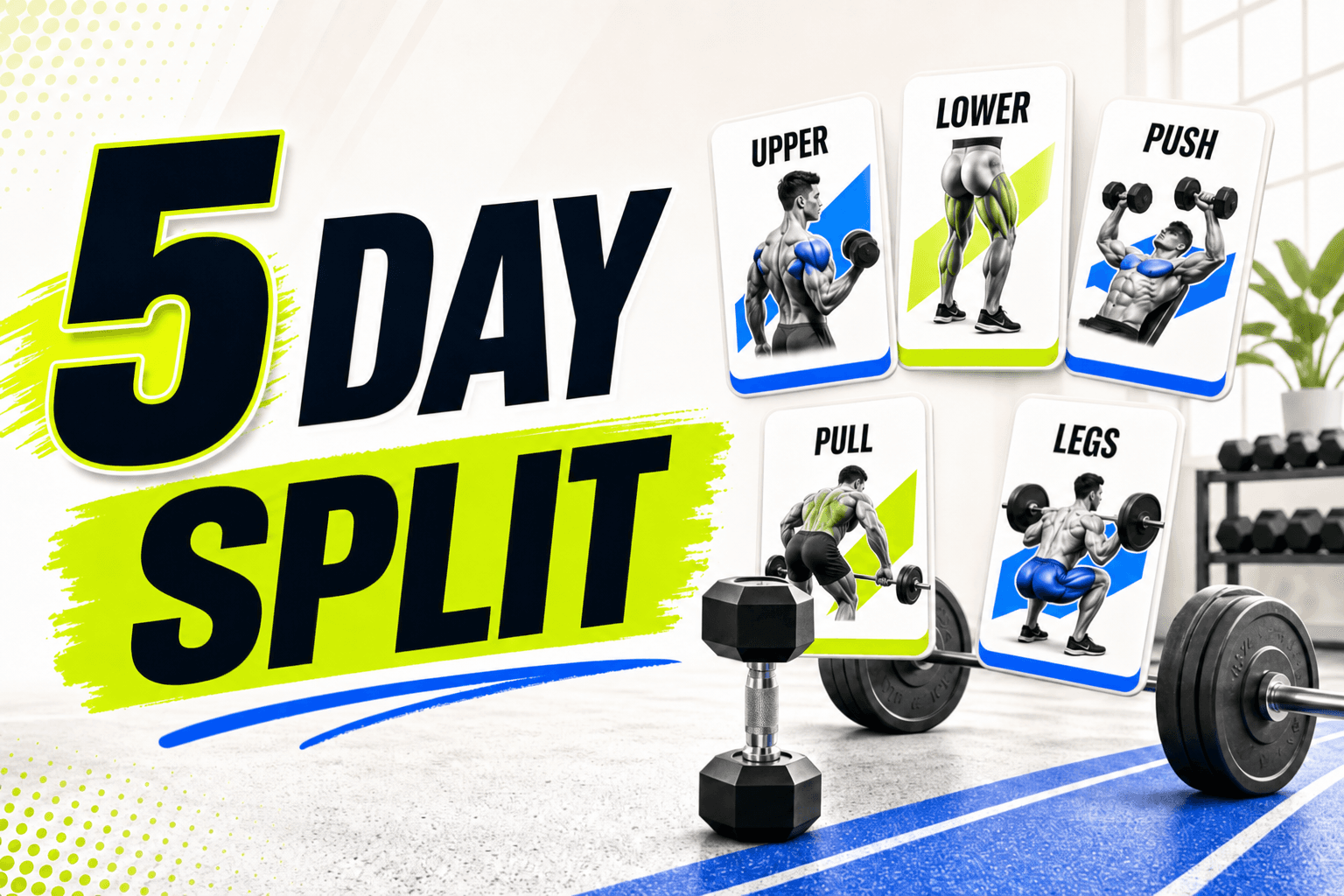
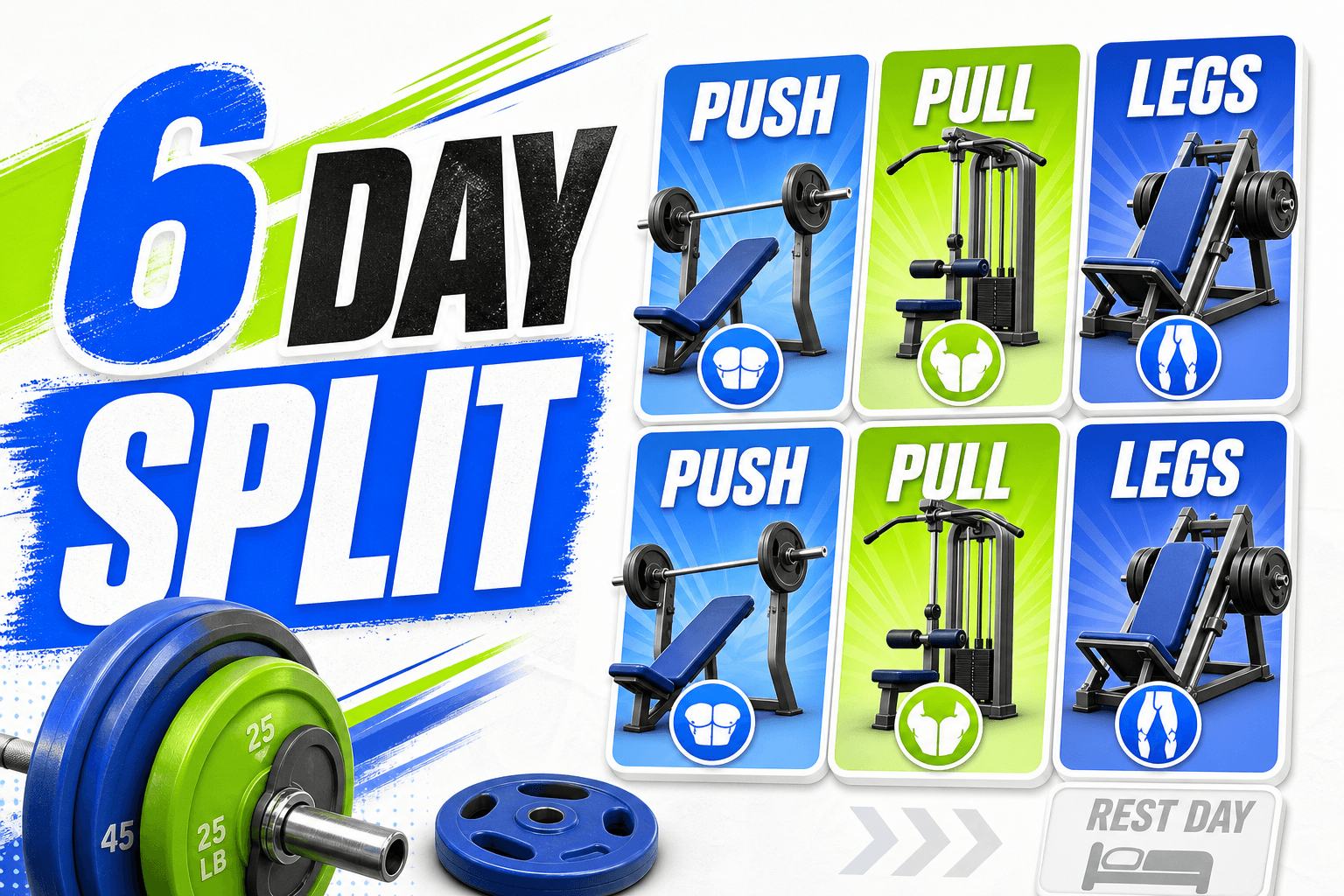
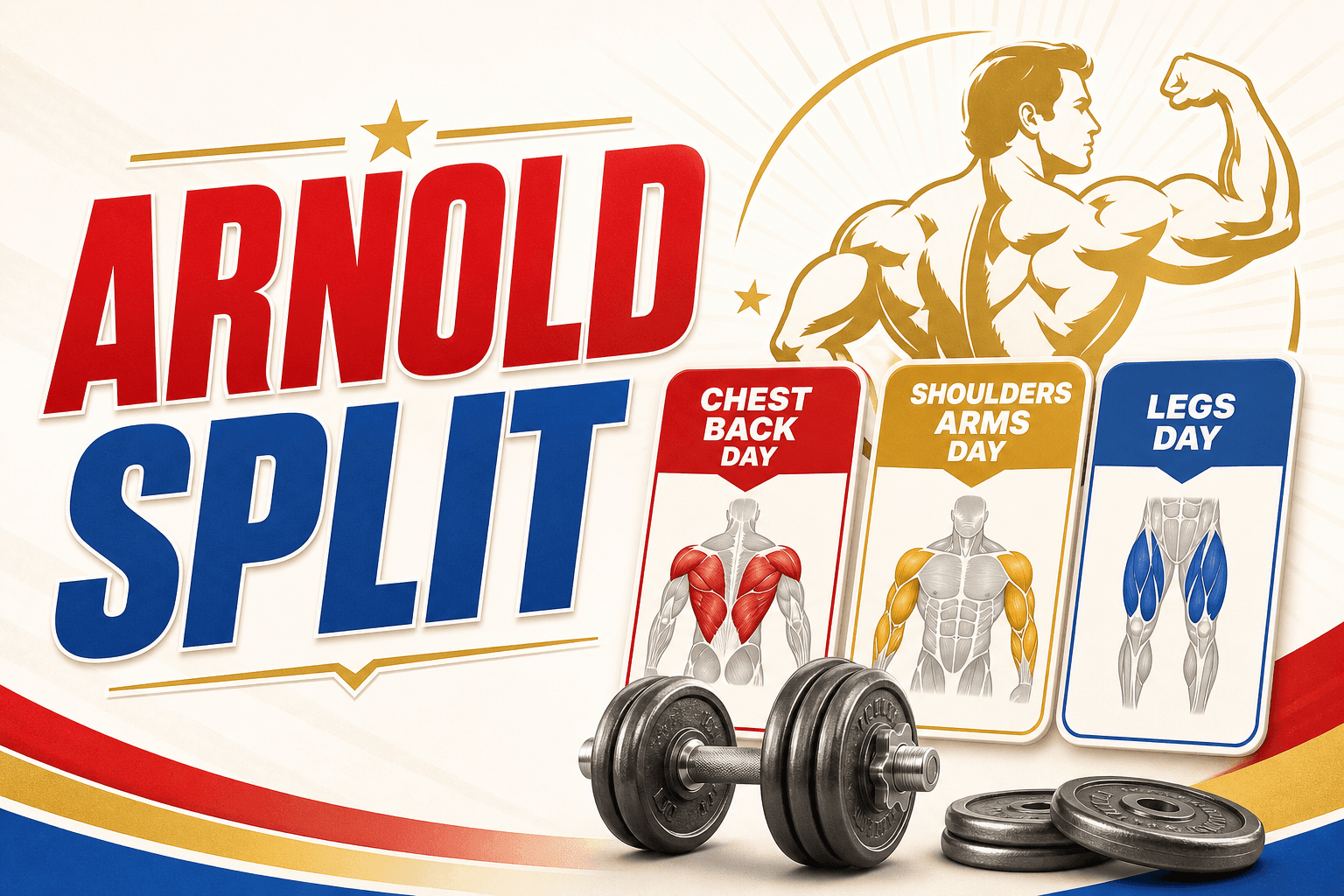
See the rest-times guide for a practical setup and the workout-split guide for schedules that match your week.
10. Add cardio you can recover from
Cardio is optional if daily movement and food intake already create the result you want. It is useful when you want more fitness, enjoy it, or prefer moving more to cutting food further.
Start small. Try ten to twenty minutes at a conversational pace after one or two sessions, or place it on another day. Hard intervals are also an option, but they carry a higher fatigue cost and their post-exercise calorie burn is often exaggerated. The best choice is the one that supports the deficit without pulling down your lifting or making the rest of the week miserable.
A large dose-response meta-analysis of aerobic exercise trials found modest average reductions in weight, waist circumference, and body fat as weekly exercise increased. The result was useful, not magical, and individual responses varied.
How to put this into practice
Choose one change and define it so clearly that a tired version of you can still do it:
- Add 1,500 steps to your current daily average.
- Walk for ten minutes after lunch on weekdays.
- Move for three minutes after each hour at your desk.
- Keep a consistent bedtime on work nights.
- Add a clear protein source to breakfast.
- Add one short, easy cardio session per week.
Hold that change for two weeks. Then look at the evidence that belongs to you: average body weight, waist measurement, hunger, sleep, and gym performance. If the plan is easy to maintain and the trend supports your goal, keep it. If nothing changes, adjust one lever instead of declaring your metabolism broken.
Already dieting? A planned refeed is not another way to burn calories. It is a higher-carb day near maintenance. The free refeed calculator compares it with your normal deficit day.
A secret metabolism switch would make a better headline. Your body is less theatrical. Make movement easier to repeat, keep training productive, and let several ordinary weeks do the work.
If you have a history of disordered eating, are pregnant or breastfeeding, take medication that affects appetite or body weight, or have a medical condition that changes exercise tolerance, discuss weight-loss plans with a qualified clinician.
Let Hypro handle the training record while you build the daily habits around it. Log sets, RIR, and weekly volume so you can see whether your lifting stays productive while body weight changes.
Try Hypro free
Maciej Glowacki
Founder and CEO of Hypro. Built the platform from the ground up with years of hands-on lifting experience.