Training knowledge, product updates, and stories from our coaching team. Written by people who actually lift.
We tested the top gym apps for 3 months. Here is what each one does well and where it falls short.
Most people who feel stuck at the gym do not have a training problem. They have a lifestyle problem. Sleep, nutrition, hydration, stress, and consistency account for more of your results than exercise selection or rep schemes ever will. A 2016 meta-analysis found that sleep-deprived subjects ate 385 extra calories per day. Dehydration of just 2% body mass impairs training volume. Skipping protein costs you muscle recovery overnight. This is the checklist of basics that need to be in place before anything else matters.
Your 1-hour workout burns about 5-10% of your daily calories. The other 90% comes from existing, digesting food, and moving through your day. NEAT (non-exercise activity thermogenesis) alone varies by up to 2,000 calories per day between people of similar size. This guide covers 10 evidence-based ways to increase your total daily energy expenditure, mostly outside the gym. Stacked together, they can add over 3,000 extra calories burned per week without traditional cardio.
Only 3 gym supplements have strong research behind them: creatine, protein powder, and caffeine. Everything else is either weak, situational, or a waste of money. This guide ranks every popular supplement by what the science actually shows, with exact improvement numbers, so you know where your money goes.
Creatine monohydrate is a natural compound that helps your muscles produce energy during heavy lifting and high-intensity exercise. It boosts strength by about 8%, increases muscle size, and speeds recovery. Backed by 685 clinical trials and over 12,800 participants, it is the most studied supplement in sports science. Here is how it works, how to dose it (3-5 g per day), and the real side effects.
Rest time between sets is the pause after you finish a set before you start the next one. Old advice was 60-90 seconds for muscle growth. Longer rest often wins for heavy compounds: 3 minutes beat 1 minute for growth. But short rest on isolation work is not wasted. The pump and metabolic stress are real hypertrophy signals. Here is how long to rest by goal, exercise type, and the science behind both approaches.
A deload week is a short planned break from hard training where you keep lifting but dial back stress so your body can recover. Most lifters under-deload or guess timing. Below, when you actually need one, three protocols, and how to time deloads from your logs instead of guessing.
Both heavy and light weights build muscle when sets are taken near failure. A 2017 meta-analysis of 21 studies confirmed it. Here is when heavy matters, when light is better, and how to combine them by exercise type.
2-4 weeks for your first strength gains. 8-12 weeks for visible muscle. 6-12 months for a physique people notice. Those are real timelines from controlled studies, not gym bro promises. Here is a week-by-week breakdown of what actually happens inside your muscles, and the variables that speed it up or slow it down.
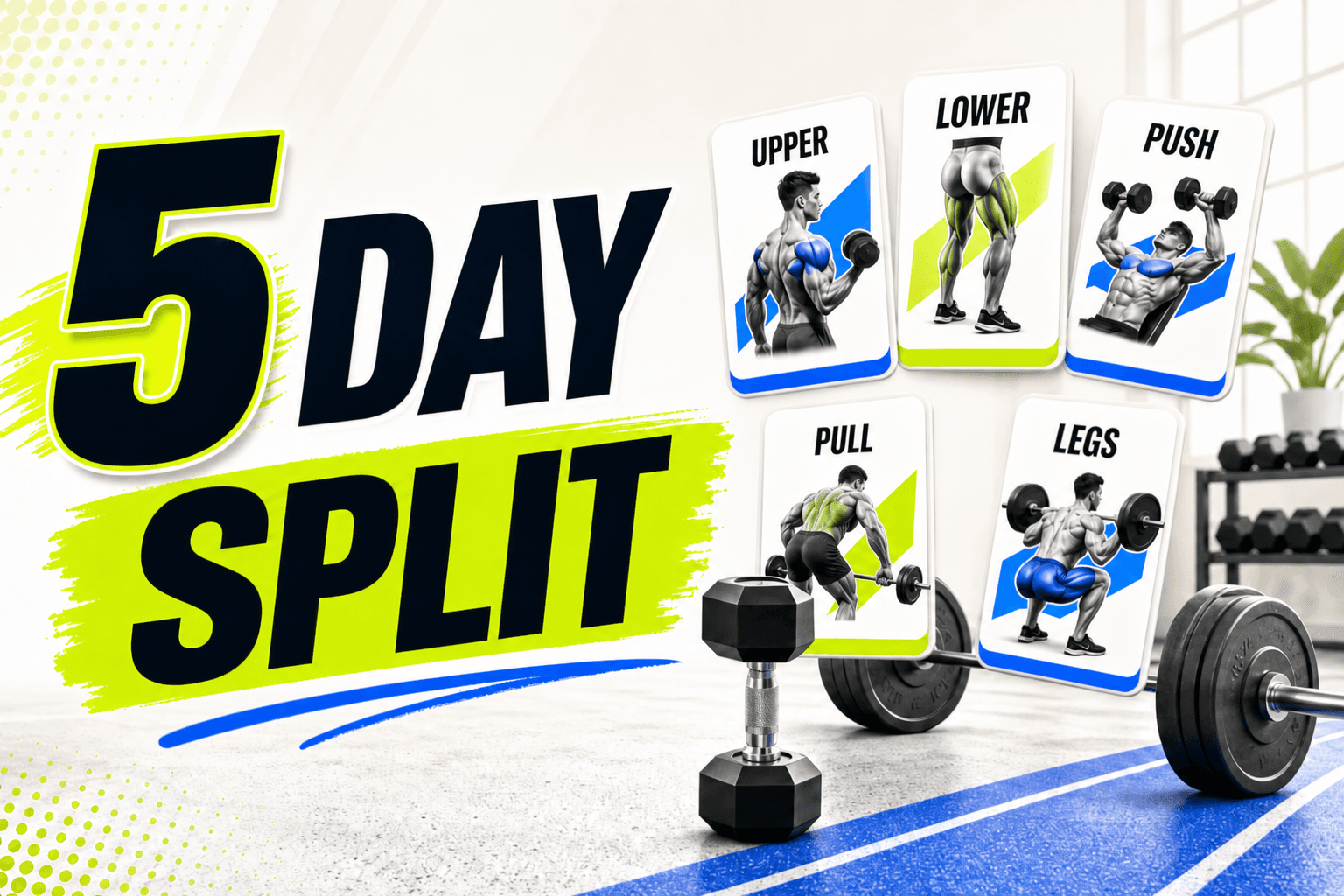
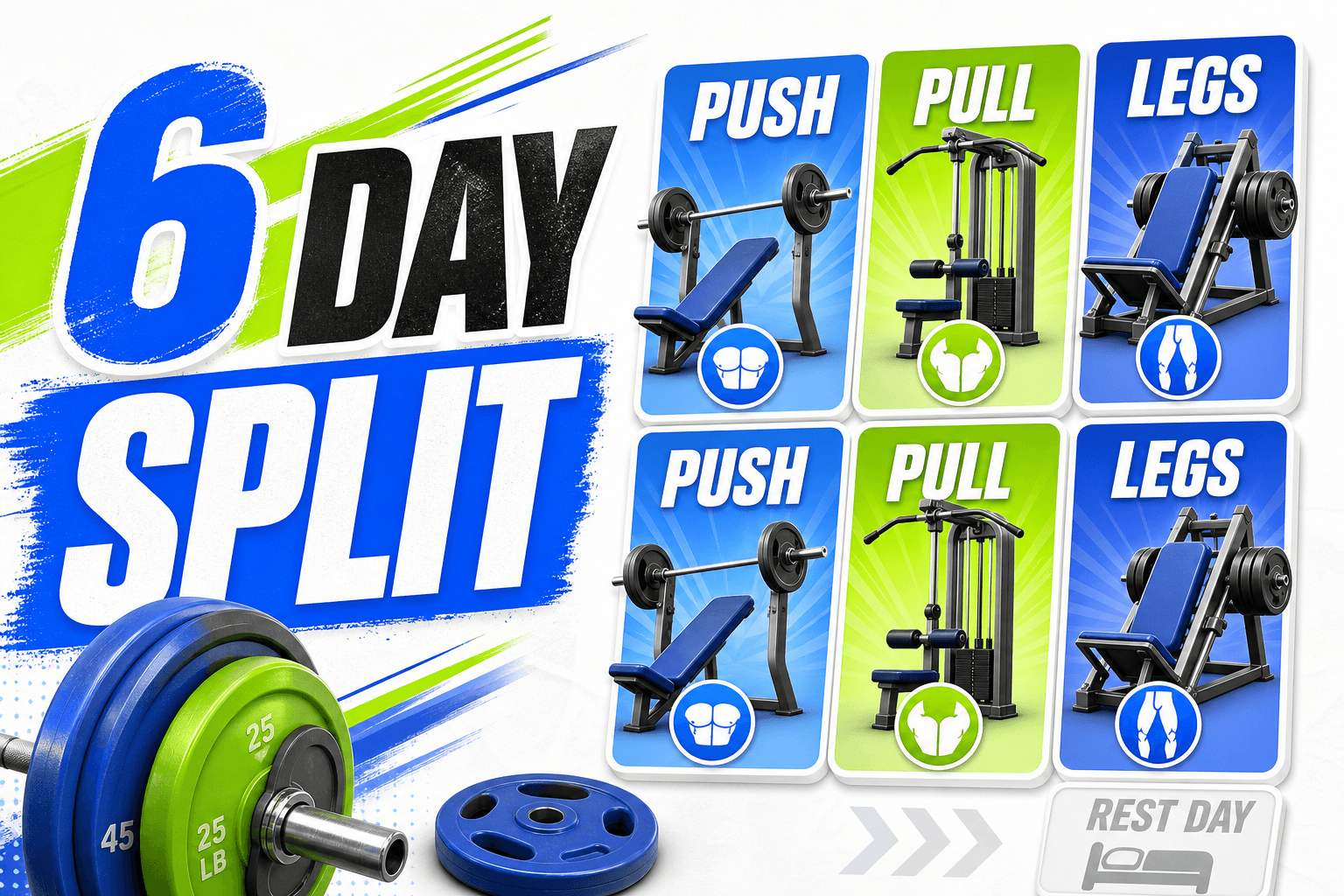
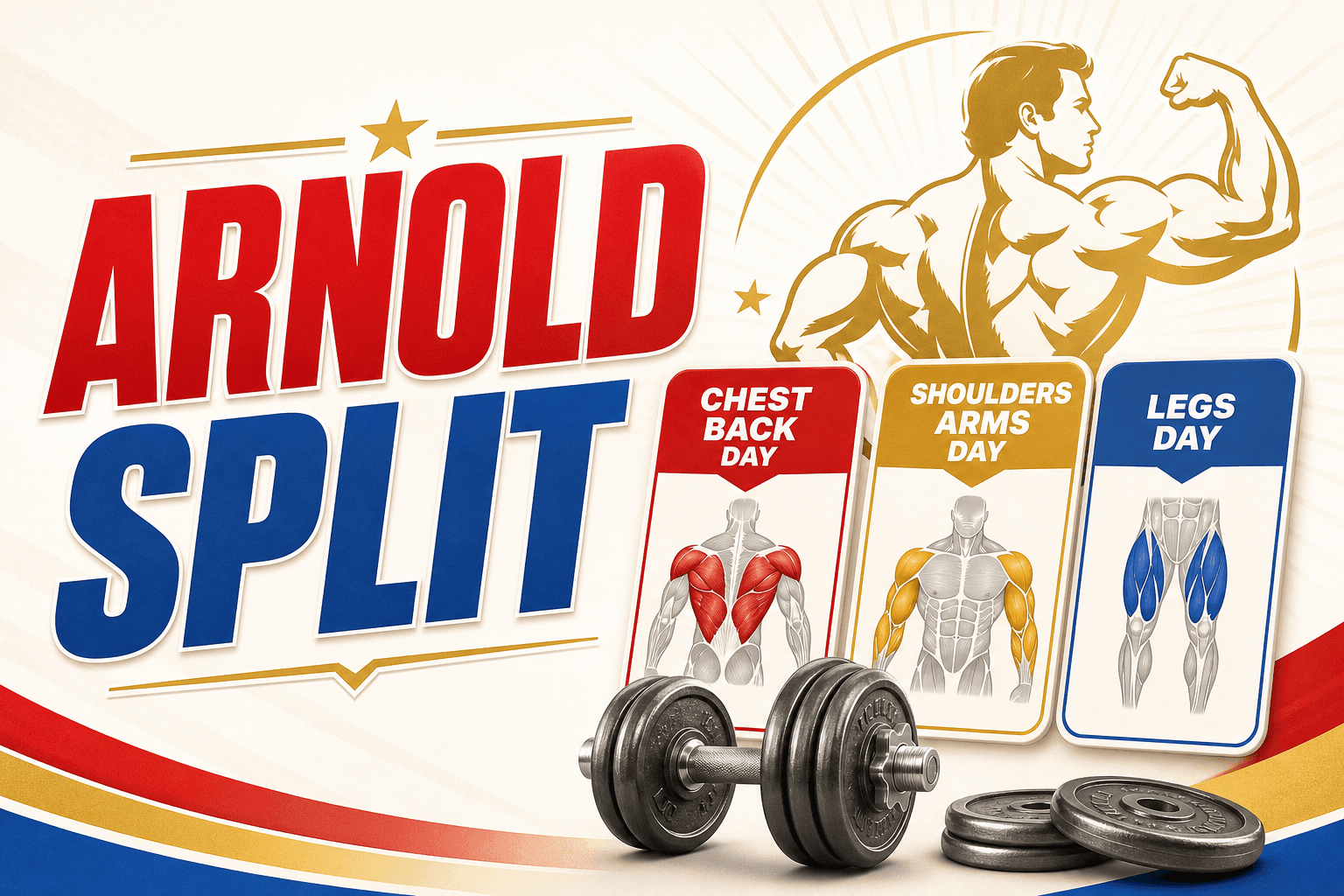
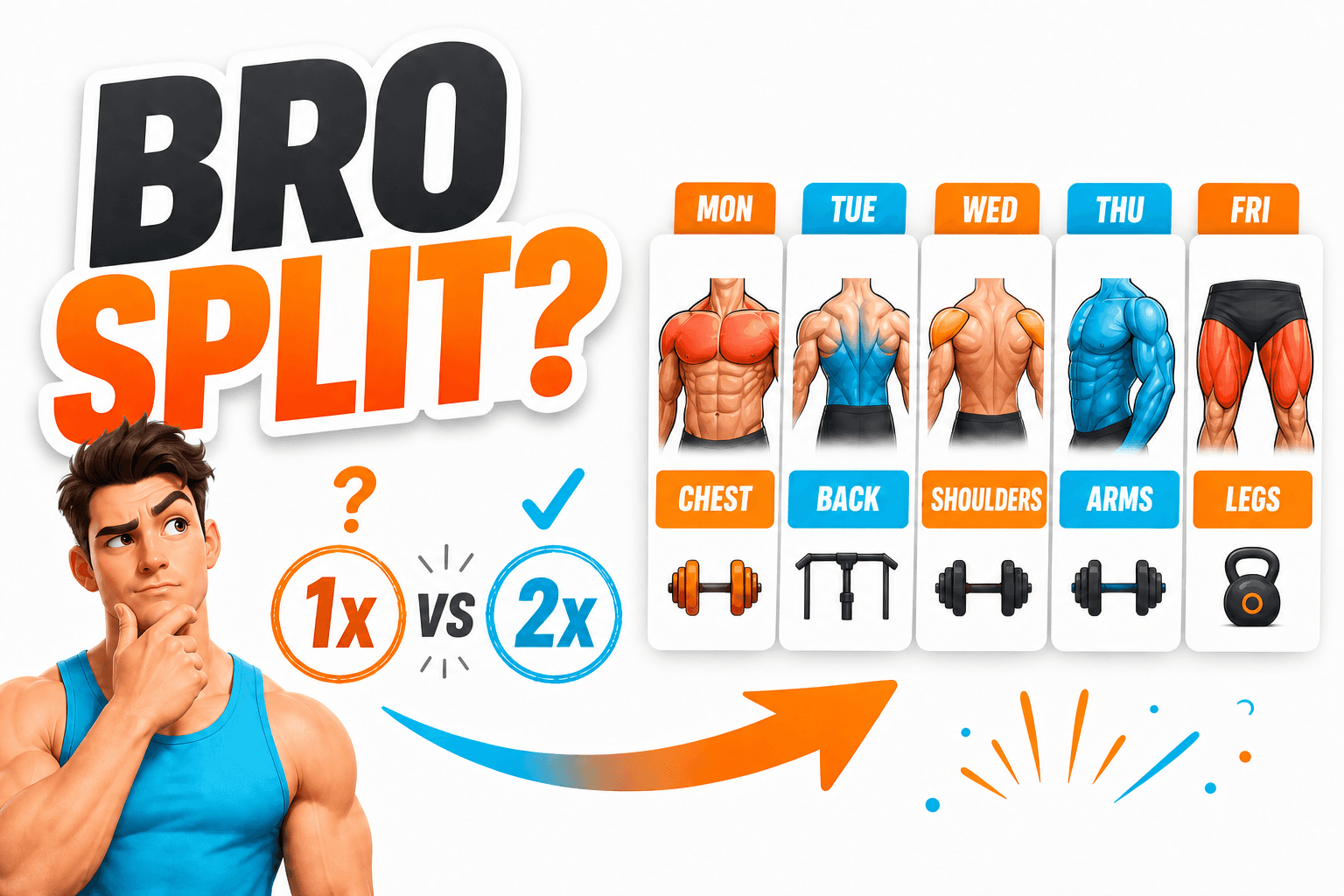
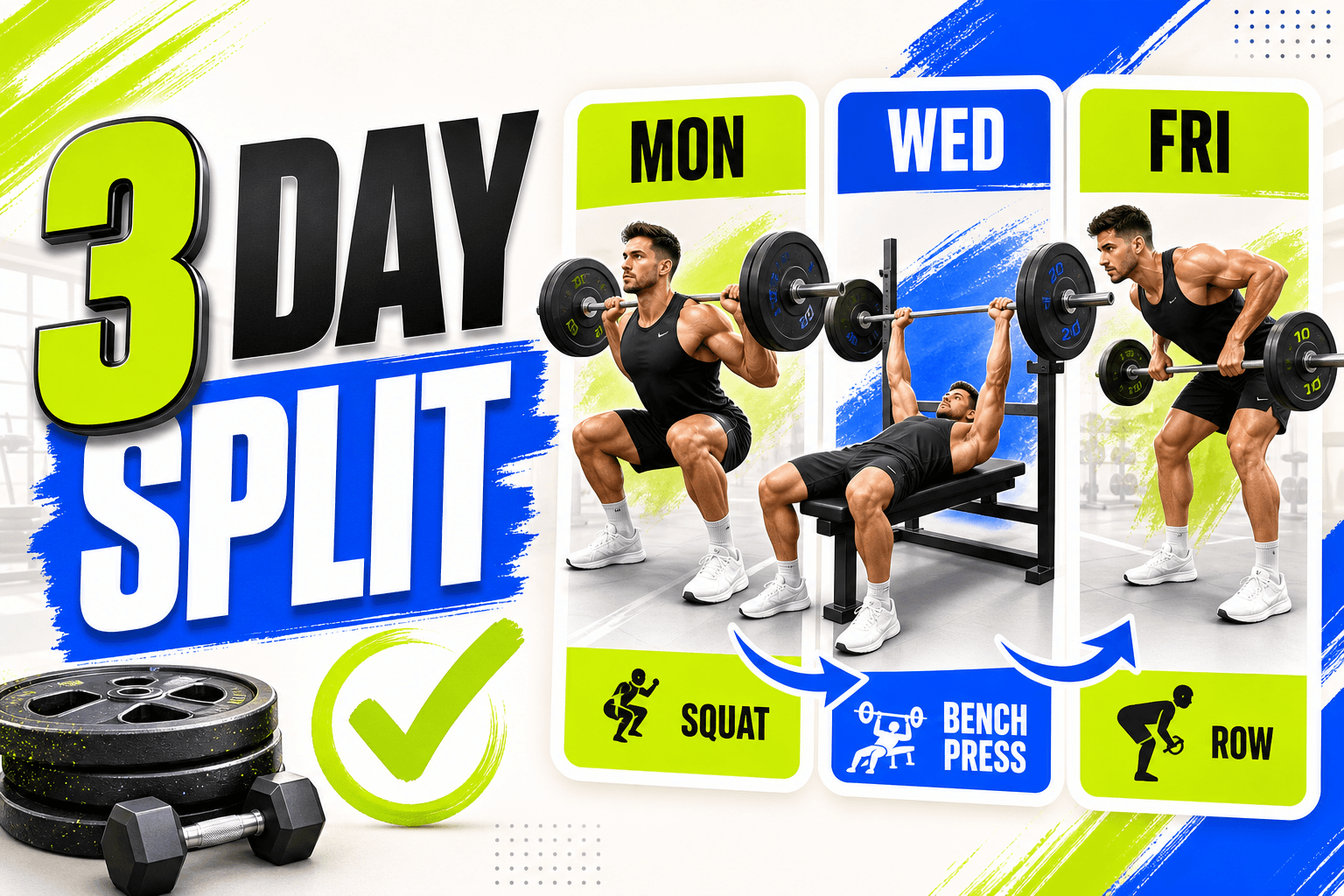
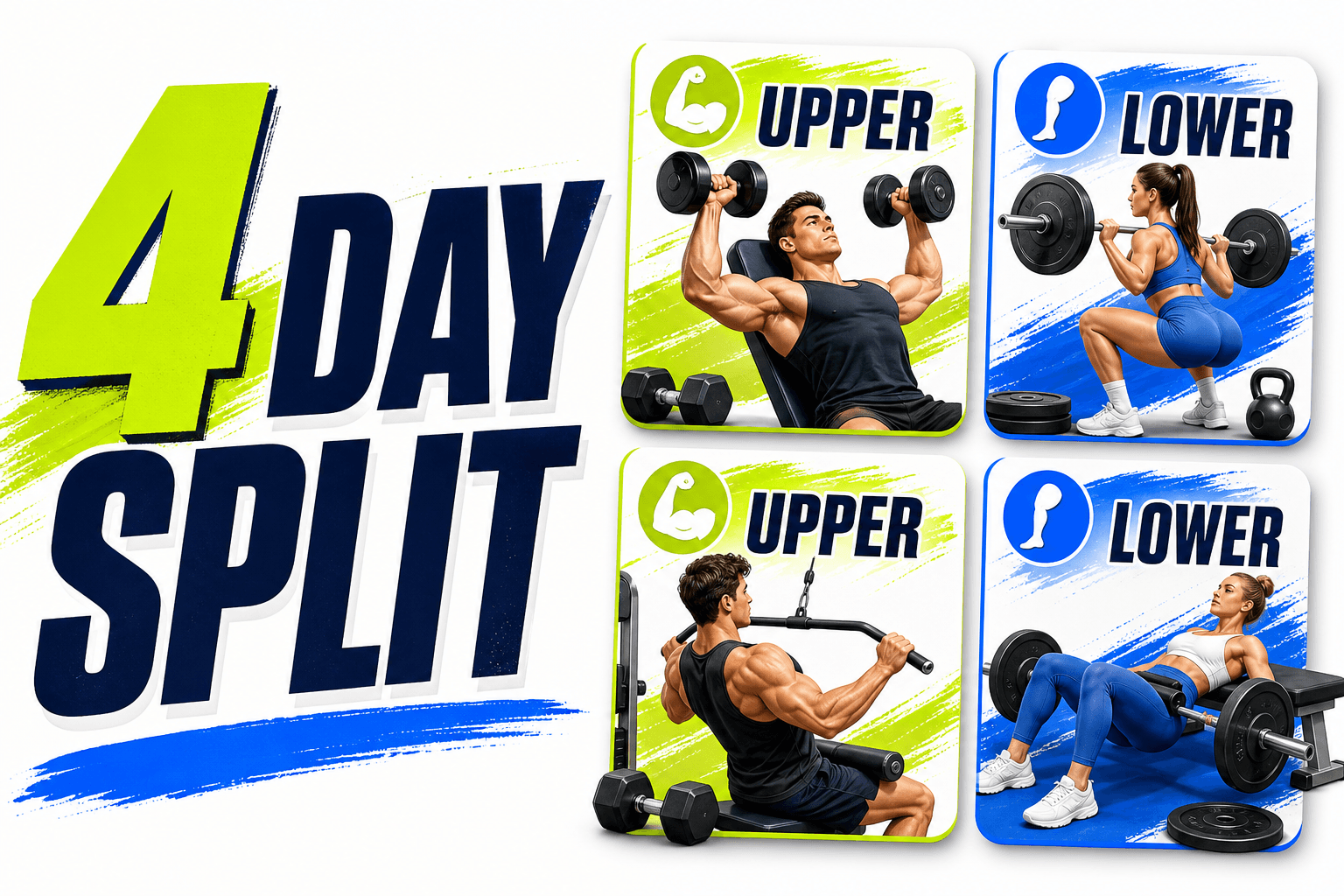
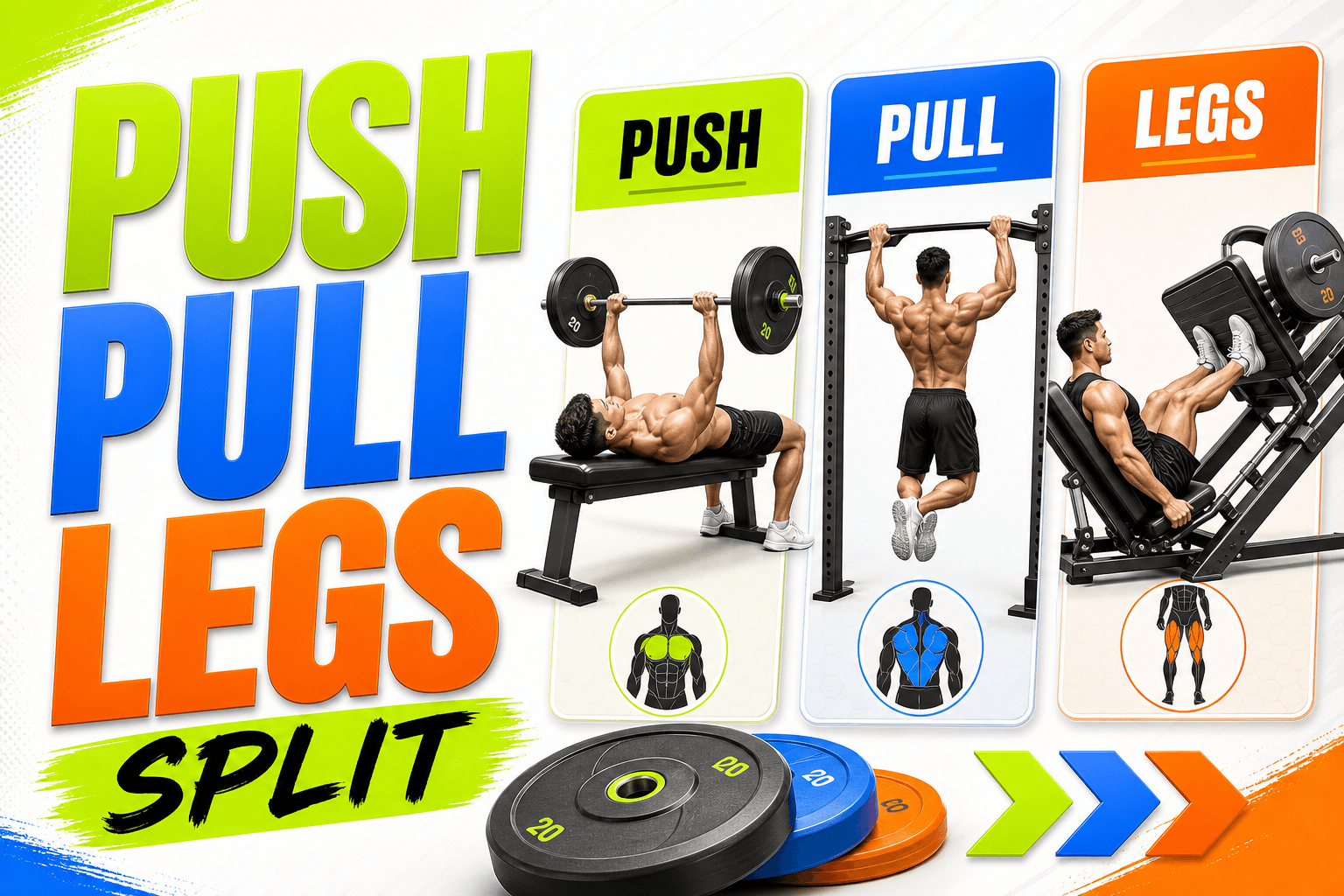
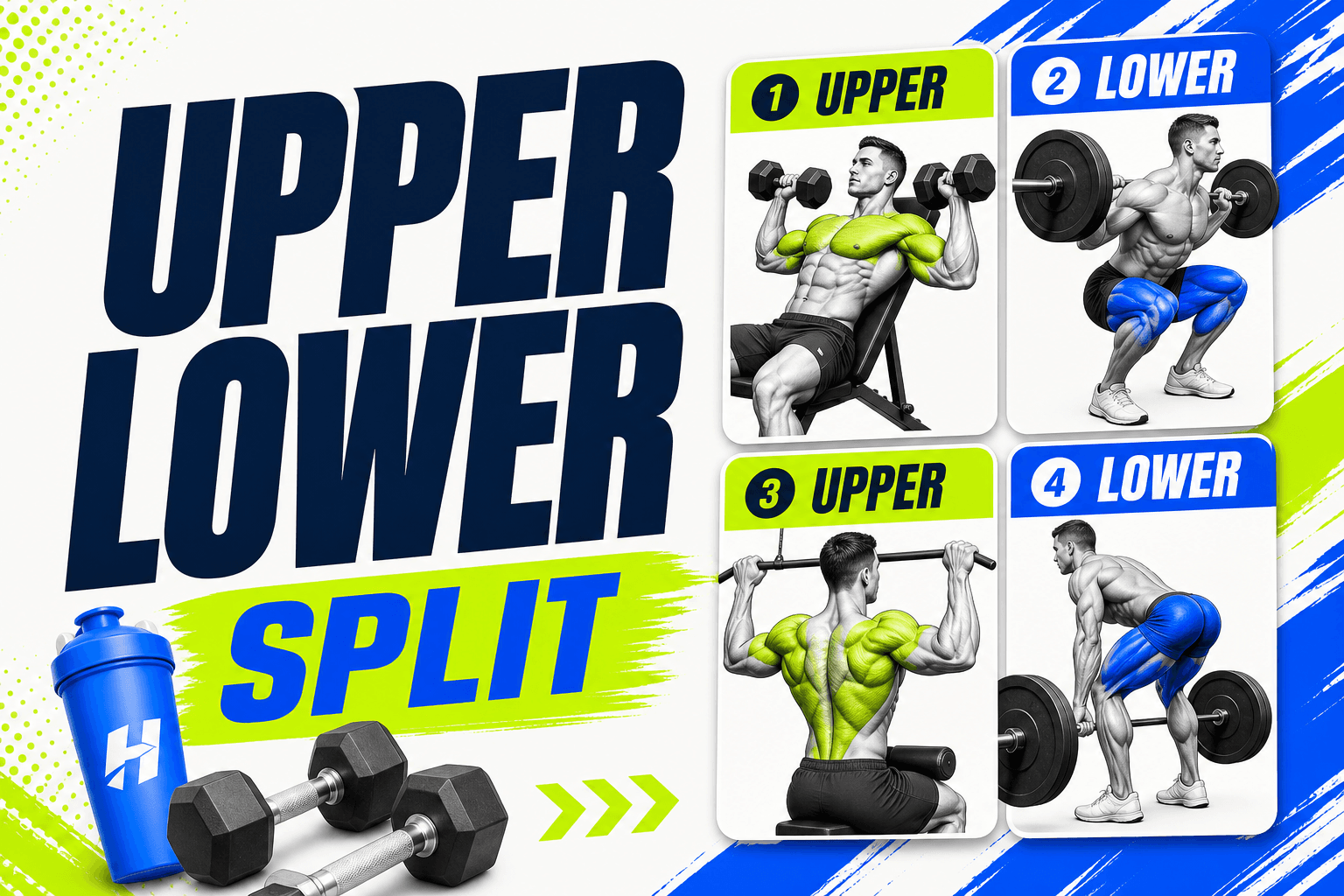
A 2016 meta-analysis found that training each muscle twice per week produced 63% more hypertrophy than once per week. But a 2024 meta-analysis of 14 studies found zero difference between split types when weekly volume was equal. The best split is the one that fits your schedule and covers 10-20 sets per muscle per week.
Progressive overload means gradually increasing the stress you place on your muscles over time (heavier loads, more reps, more sets, harder tempos, or fuller range of motion). It is the single most important principle in strength training. A 2025 study found that lifters who progressively increased their training loads gained 22.9% muscle thickness compared to 11.6% in those who kept the same weight. Yet most people either add weight too fast, too slow, or not at all. This guide covers the five methods of progressive overload, what to do when you stall, and why tracking is the missing piece for most lifters.
10-20 hard sets per muscle group per week is the evidence-based target for muscle growth. But the ideal range varies by muscle. Side delts handle 22+ sets. Hamstrings tap out around 14. This guide gives you the exact numbers for every major muscle group, what counts as a working set, and how to split volume across your week.
Norway's oldest surviving gym, a bodybuilding legend, and the man who has kept the doors open for 45 years.
IFBB Pro bodybuilder, Nordic champion, and the competition prep mind behind Hypro.
From Oslo's best kitchens to the bodybuilding stage. The coach behind Hypro's training philosophy.
You've read every Reddit thread, saved dozens of YouTube videos, and started a new plan every Monday. Here's what actually drives muscle growth - and it's not the split.
The first 4 weeks decide whether you stick with lifting or not. A simple program, realistic expectations, and the mistakes that make beginners quit.
Two scales that measure the same thing. Here's how they work, why most people miscount their working sets, and how to rate effort honestly.
Not sure what percentage of your max to use for muscle growth? Here's how to pick the right load, structure your working sets, and stop guessing.
Everything in the free plan is a real workout tracker you can use forever. Here's exactly what's free and what Premium unlocks when you're ready.
Stop doing mental math at the plate tree. Quick reference for plate combos, bar weights, and the loading rules that prevent injuries.