Barbell Plate Chart and Loading Guide
225 lbs is 2 plates per side. 315 is 3. 405 is 4. Below: every common weight on a 45 lb bar, plus how to load safely.
 Maciej Glowacki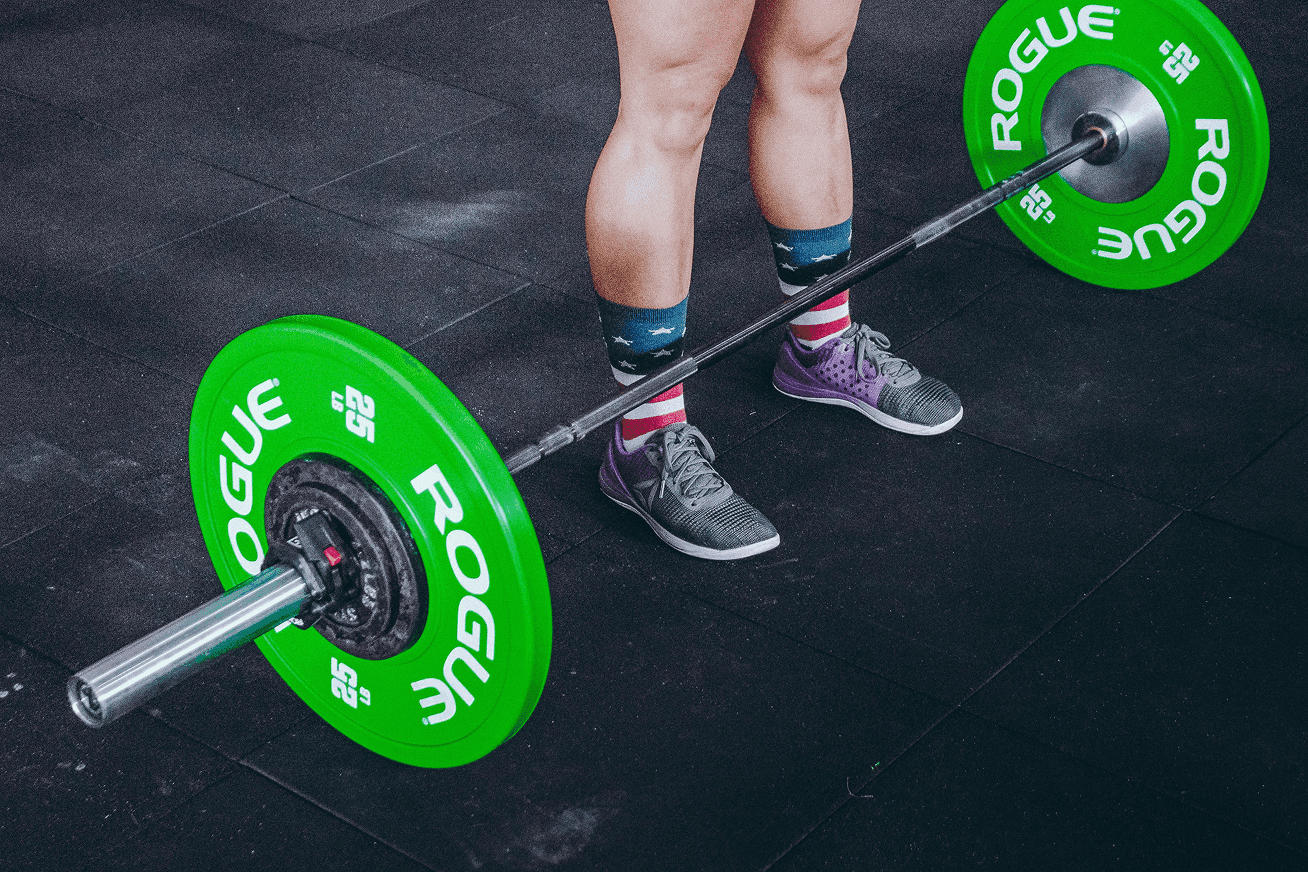
You just calculated your working weight for the day. Now you're standing in front of the plate tree doing mental math. 275 minus the bar is 230, divided by two is 115, so that's two 45s and a... 25? Right.
This happens to everyone. Below is a complete reference for every common barbell weight with the exact plates you need per side. Want the interactive version? Use the plate calculator to enter any target weight and see exactly which plates to load.
Quick answers: 225 lbs = 2 plates per side. 275 lbs = 2 × 45 + 1 × 25 per side. 315 lbs = 3 plates per side. 405 lbs = 4 plates per side. All weights assume a standard 45 lb (20 kg) Olympic barbell.
Skip the math: enter any weight and the calculator shows the exact plates per side, in lbs or kg. It also counts a loaded bar in reverse.
Open the plate calculatorWhat "plates" actually means
When someone says they "bench two plates," they mean two 45 lb plates on each side of a standard barbell. The bar counts toward the total. In kg, "plates" refers to 20 kg plates on a 20 kg bar.
Each "plate" milestone adds two plates to the total (one per side). Here are the standard milestones:
| Gym Slang | Total (lbs) | Total (kg) | Common Lift |
|---|---|---|---|
| 1 plate | 135 lbs | 61 kg | Beginner bench / OHP goal |
| 2 plates | 225 lbs | 102 kg | Intermediate bench press |
| 3 plates | 315 lbs | 143 kg | Advanced squat or bench |
| 4 plates | 405 lbs | 184 kg | Strong deadlift or squat |
| 5 plates | 495 lbs | 225 kg | Elite deadlift |
| 6 plates | 585 lbs | 265 kg | Competitive powerlifter |
| Plates per side | Total (lbs) | Milestone |
|---|---|---|
| 1 plate | 135 | Beginner bench / OHP |
| 2 plates | 225 | Intermediate bench |
| 3 plates | 315 | Advanced squat / bench |
| 4 plates | 405 | Strong deadlift |
| 5 plates | 495 | Elite deadlift |
| 6 plates | 585 | Competitive powerlifter |
Two plates on bench is the milestone everyone chases first. Four plates on deadlift is where things get serious. Six plates is competition-level pulling.
Plate breakdowns for common weights
Most weights don't land on a clean milestone. Here's what to load on each side of a 45 lb bar:
| Target (lbs) | Per side (lbs) |
|---|---|
| 135 | 1 × 45 |
| 225 | 2 × 45 |
| 275 | 2 × 45 + 1 × 25 |
| 300 | 2 × 45 + 1 × 25 + 1 × 10 + 1 × 2.5 |
| 315 | 3 × 45 |
| 365 | 3 × 45 + 1 × 25 |
| 405 | 4 × 45 |
| 495 | 5 × 45 |
| 585 | 6 × 45 |
| 600 | 6 × 45 + 1 × 5 + 1 × 2.5 |
All based on 45 lb plates and a 45 lb bar. For any other weight, use the plate calculator for the exact breakdown.
Complete barbell loading chart (lbs)
This table covers every commonly searched weight on a standard 45 lb bar. Per-side weight is calculated as (total weight minus 45 lb bar) divided by 2.
| Total Weight | Approx. kg | Per Side | Plates on Each Side |
|---|---|---|---|
| 95 lbs | 43 kg | 25 lbs | 1 × 25 |
| 115 lbs | 52 kg | 35 lbs | 1 × 35 |
| 135 lbs | 61 kg | 45 lbs | 1 × 45 |
| 155 lbs | 70 kg | 55 lbs | 1 × 45, 1 × 10 |
| 185 lbs | 84 kg | 70 lbs | 1 × 45, 1 × 25 |
| 205 lbs | 93 kg | 80 lbs | 1 × 45, 1 × 35 |
| 225 lbs | 102 kg | 90 lbs | 2 × 45 |
| 245 lbs | 111 kg | 100 lbs | 2 × 45, 1 × 10 |
| 265 lbs | 120 kg | 110 lbs | 2 × 45, 2 × 10 |
| 275 lbs | 125 kg | 115 lbs | 2 × 45, 1 × 25 |
| 300 lbs | 136 kg | 127.5 lbs | 2 × 45, 1 × 25, 1 × 10, 1 × 2.5 |
| 315 lbs | 143 kg | 135 lbs | 3 × 45 |
| 335 lbs | 152 kg | 145 lbs | 3 × 45, 1 × 10 |
| 365 lbs | 166 kg | 160 lbs | 3 × 45, 1 × 25 |
| 385 lbs | 175 kg | 170 lbs | 3 × 45, 1 × 35 |
| 405 lbs | 184 kg | 180 lbs | 4 × 45 |
| 450 lbs | 204 kg | 202.5 lbs | 4 × 45, 2 × 10, 1 × 2.5 |
| 495 lbs | 225 kg | 225 lbs | 5 × 45 |
| 585 lbs | 265 kg | 270 lbs | 6 × 45 |
| 600 lbs | 272 kg | 277.5 lbs | 6 × 45, 1 × 5, 1 × 2.5 |
All weights assume standard lbs plates: 45, 35, 25, 10, 5, and 2.5 lb denominations. For non-standard weights or metric setups, use the plate calculator.
Complete barbell loading chart (kg)
For metric lifters using a 20 kg bar with standard kg plates (25, 20, 15, 10, 5, 2.5, 1.25 kg):
| Total Weight | Approx. lbs | Per Side | Plates on Each Side |
|---|---|---|---|
| 40 kg | 88 lbs | 10 kg | 1 × 10 |
| 60 kg | 132 lbs | 20 kg | 1 × 20 |
| 80 kg | 176 lbs | 30 kg | 1 × 20, 1 × 10 |
| 100 kg | 220 lbs | 40 kg | 2 × 20 |
| 110 kg | 243 lbs | 45 kg | 2 × 20, 1 × 5 |
| 120 kg | 265 lbs | 50 kg | 2 × 20, 1 × 10 |
| 125 kg | 276 lbs | 52.5 kg | 2 × 20, 1 × 10, 1 × 2.5 |
| 130 kg | 287 lbs | 55 kg | 2 × 20, 1 × 15 |
| 140 kg | 309 lbs | 60 kg | 3 × 20 |
| 150 kg | 331 lbs | 65 kg | 3 × 20, 1 × 5 |
| 160 kg | 353 lbs | 70 kg | 3 × 20, 1 × 10 |
| 180 kg | 397 lbs | 80 kg | 4 × 20 |
| 200 kg | 441 lbs | 90 kg | 4 × 20, 1 × 10 |
| 220 kg | 485 lbs | 100 kg | 5 × 20 |
| 260 kg | 573 lbs | 120 kg | 6 × 20 |
In-between weights are where people mess up
The plate milestones are easy. It's the in-between numbers that trip people up mid-session.
Say your program calls for 82.5% of a 140 kg squat. That's 115.5 kg. On a 20 kg bar, you need 47.75 kg per side. Load two 20s, one 5, and one 2.5, then accept you're 0.25 kg light. Close enough.
Or say your bench calls for 185 lbs. That's 70 per side on a 45 lb bar. One 45 and one 25. Simple.
The rule: use the biggest plates you can, then add smaller ones to fill the gap.
Know your bar weight
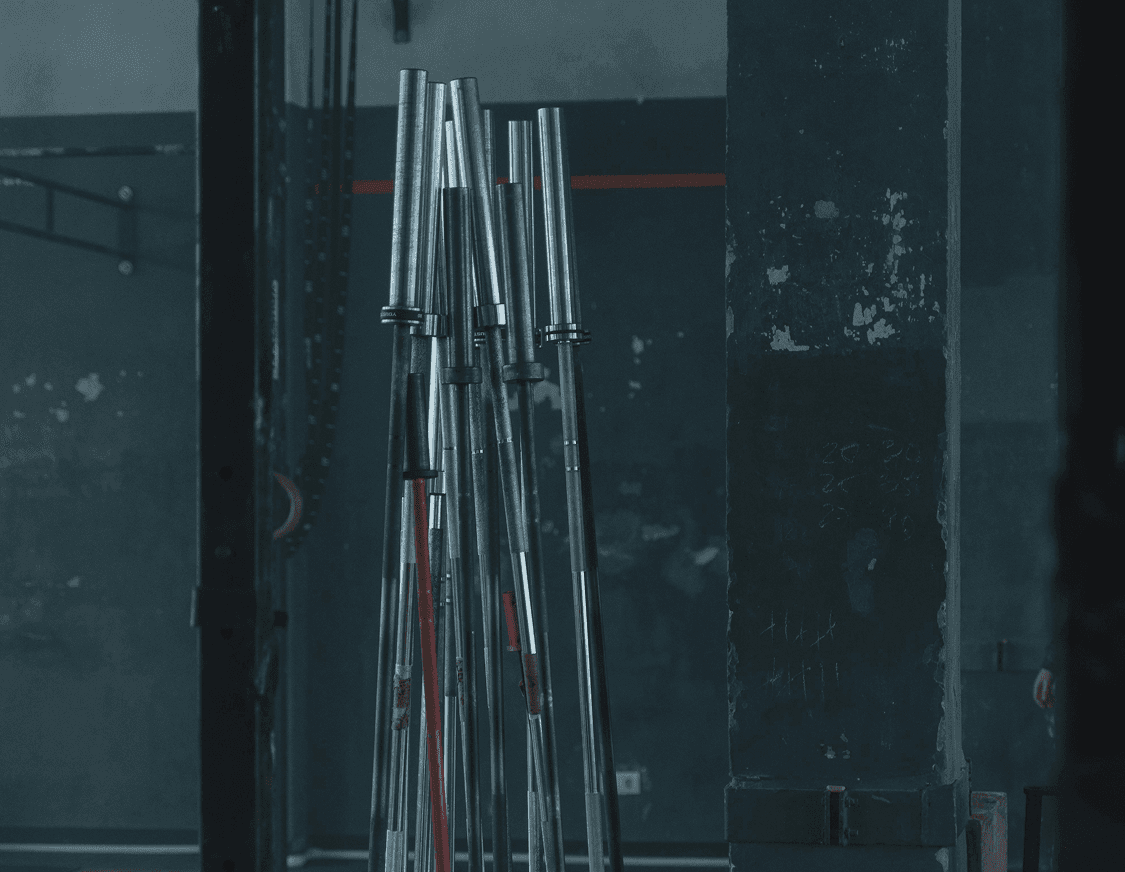
This catches people off guard. Not all bars weigh the same, and the weight written on the side of a commercial gym bar isn't always accurate.
| Bar Type | Weight (kg) | Weight (lbs) | Length | Shaft Diameter |
|---|---|---|---|---|
| Men's Olympic | 20 kg | 44 lbs | 2.2 m | 28 mm |
| Women's Olympic | 15 kg | 33 lbs | 2.01 m | 25 mm |
| Training Bar | 10 kg | 22 lbs | ~1.8 m | 25 mm |
| EZ Curl Bar | 6-10 kg | 13-22 lbs | ~1.2 m | 28 mm |
| Trap / Hex Bar | 20-27 kg | 44-60 lbs | ~1.9 m | 28 mm |
If you're unsure, put your bar on a scale. We've seen "20 kg" bars that weighed 18.5 kg. When you're programming off percentages, a 1.5 kg error in bar weight compounds across every plate calculation.
Loading rules that prevent injuries
Collars on, always. Plates sliding off the bar during a squat is not a story you want to tell.
Load both sides equally. One-sided loading is how barbells flip off the rack. If you've never seen it happen, consider yourself lucky.
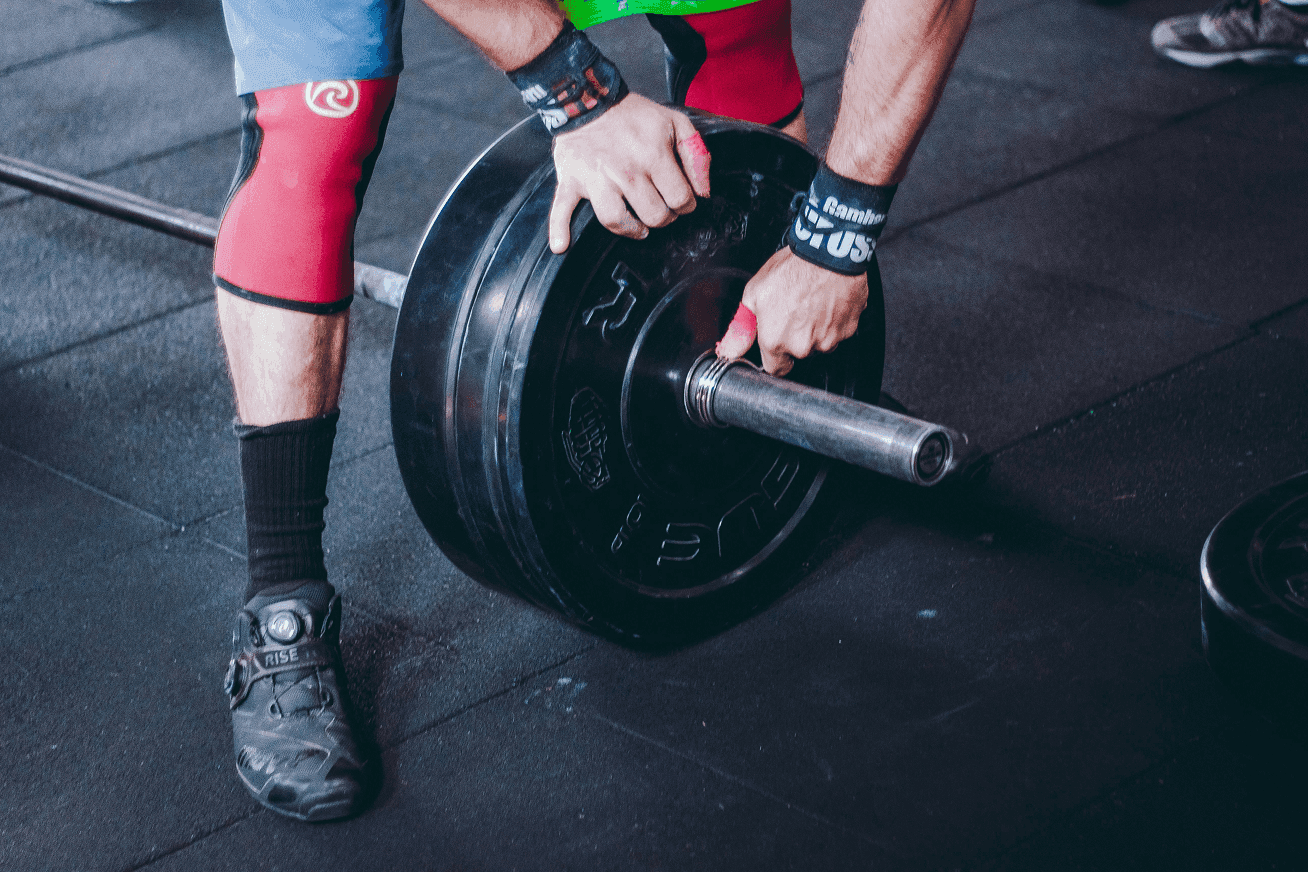
Big plates go on first. Heaviest closest to the collar, lightest on the outside. More stable, easier to strip between sets.
Strip from both sides, alternately. Pull one plate off the left, one off the right, repeat. This keeps the bar from tipping while you unload.
These sound obvious until the day they aren't. Gym injuries from plate loading mistakes are more common than you'd think.
Prefer the full-page tool? Use the plate calculator to customize bar weight and available plates.
Hypro calculates your plate loading automatically when you log sets. Just enter the weight and lift.
Try Hypro free
Maciej Glowacki
Founder and CEO of Hypro. Built the platform from the ground up with years of hands-on lifting experience.