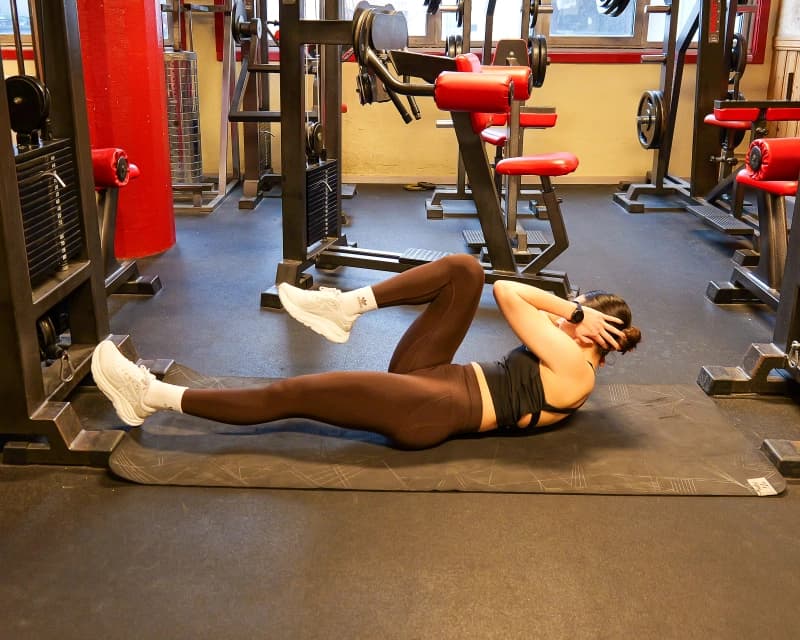
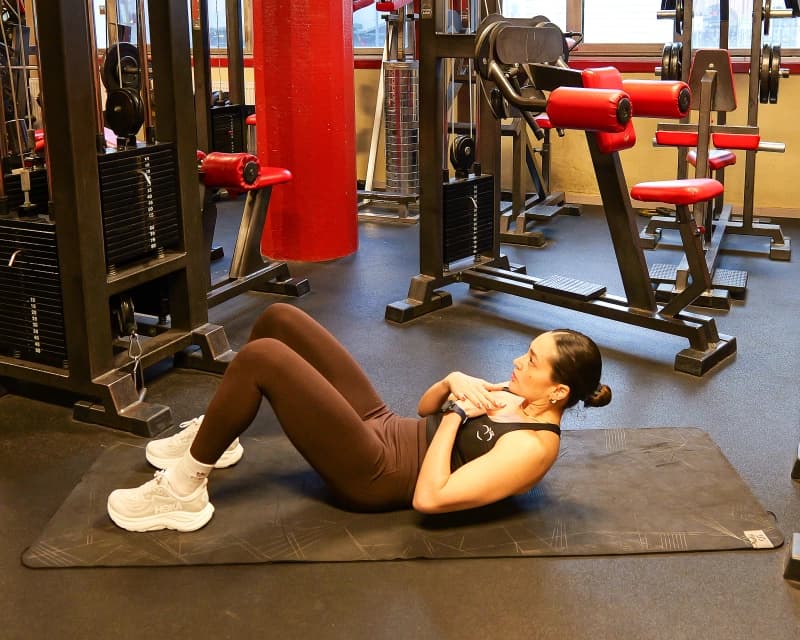
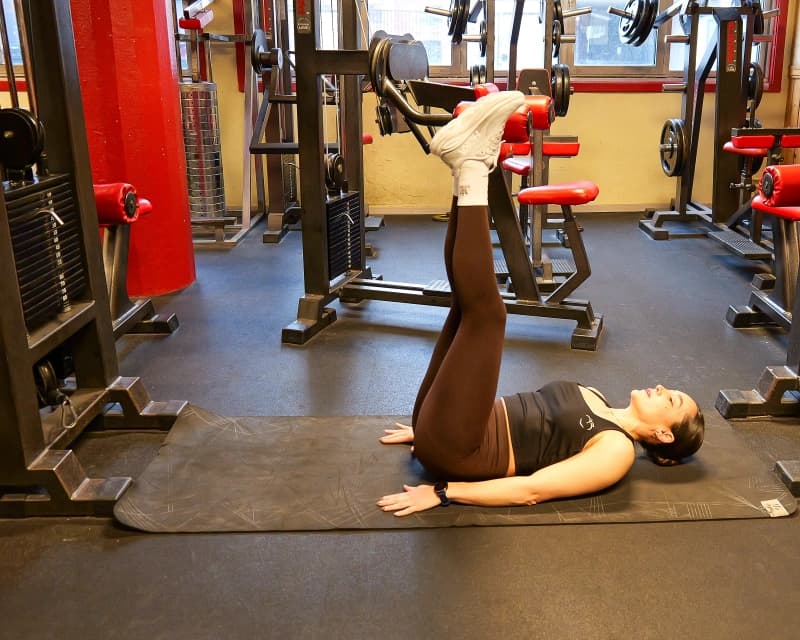
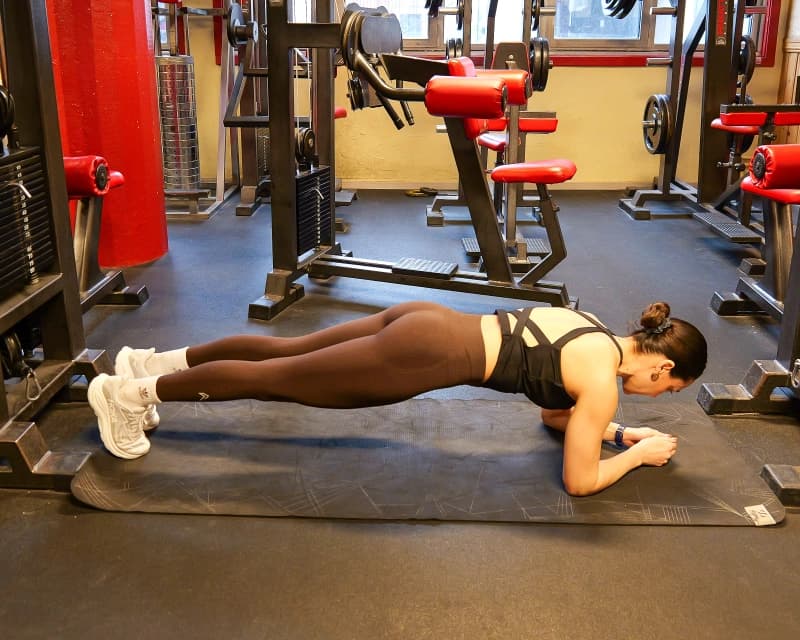
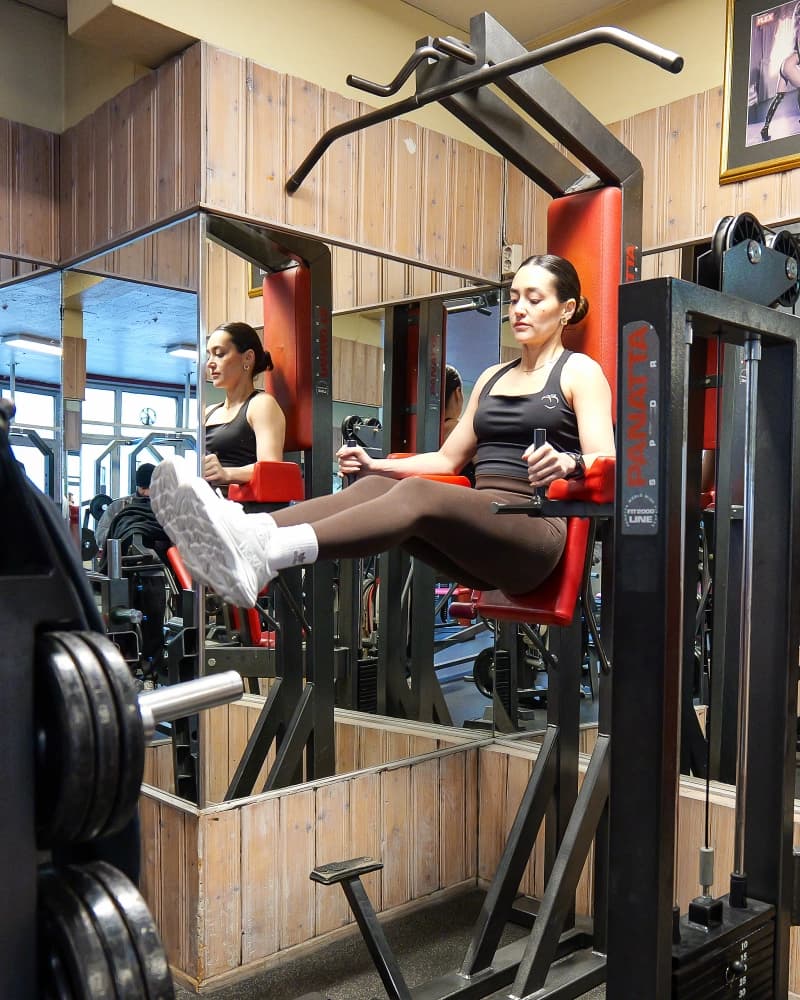
Hanging Leg Raises
The Hanging Leg Raises is a bodyweight exercise that primarily targets the core. It is a staple in well-designed hypertrophy and strength programs when programmed with proper volume and progressive overload.
How to perform the Hanging Leg Raises
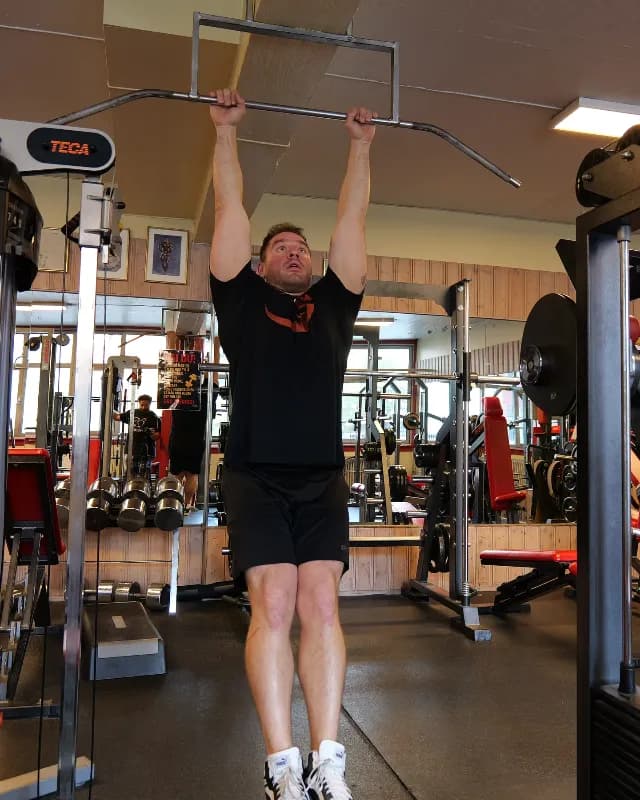
- 1Grab a pull-up bar with your hands a bit wider than shoulder-width, hang with straight arms, feet off the floor, and tighten your abs so your body is still like a plank.
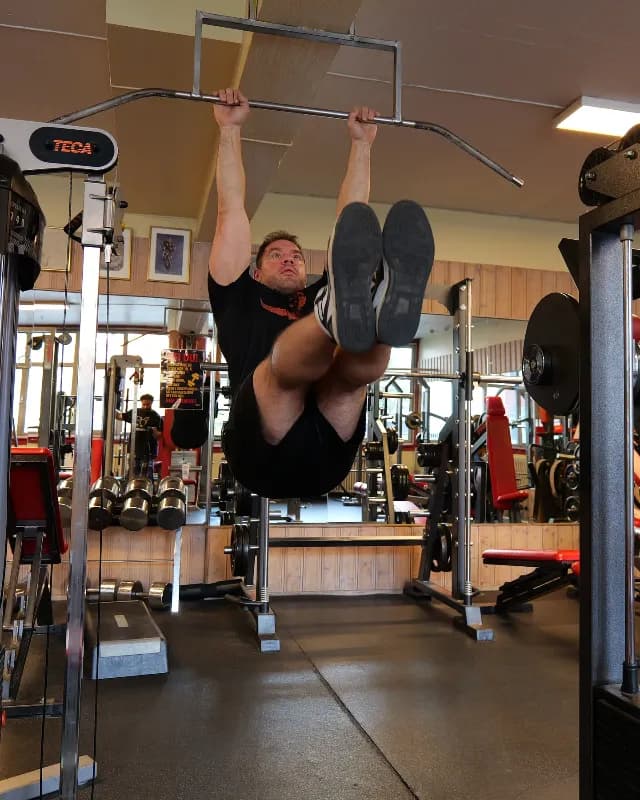
- 2Slowly raise your legs in front of you while breathing out, lifting them as high as you can without swinging, then lower them back down under control as you breathe in.
Coach tips
- If your body starts swinging, pause at the bottom and let yourself settle before the next rep.
- Keep your lower back from arching too much by bracing your abs like you’re about to be poked in the stomach.
- If straight legs are too hard, bend your knees and lift them first, then work toward straighter legs over time.
Train core smarter
One rep, one set. Hypro turns the Hanging Leg Raises into measurable progress, week after week.
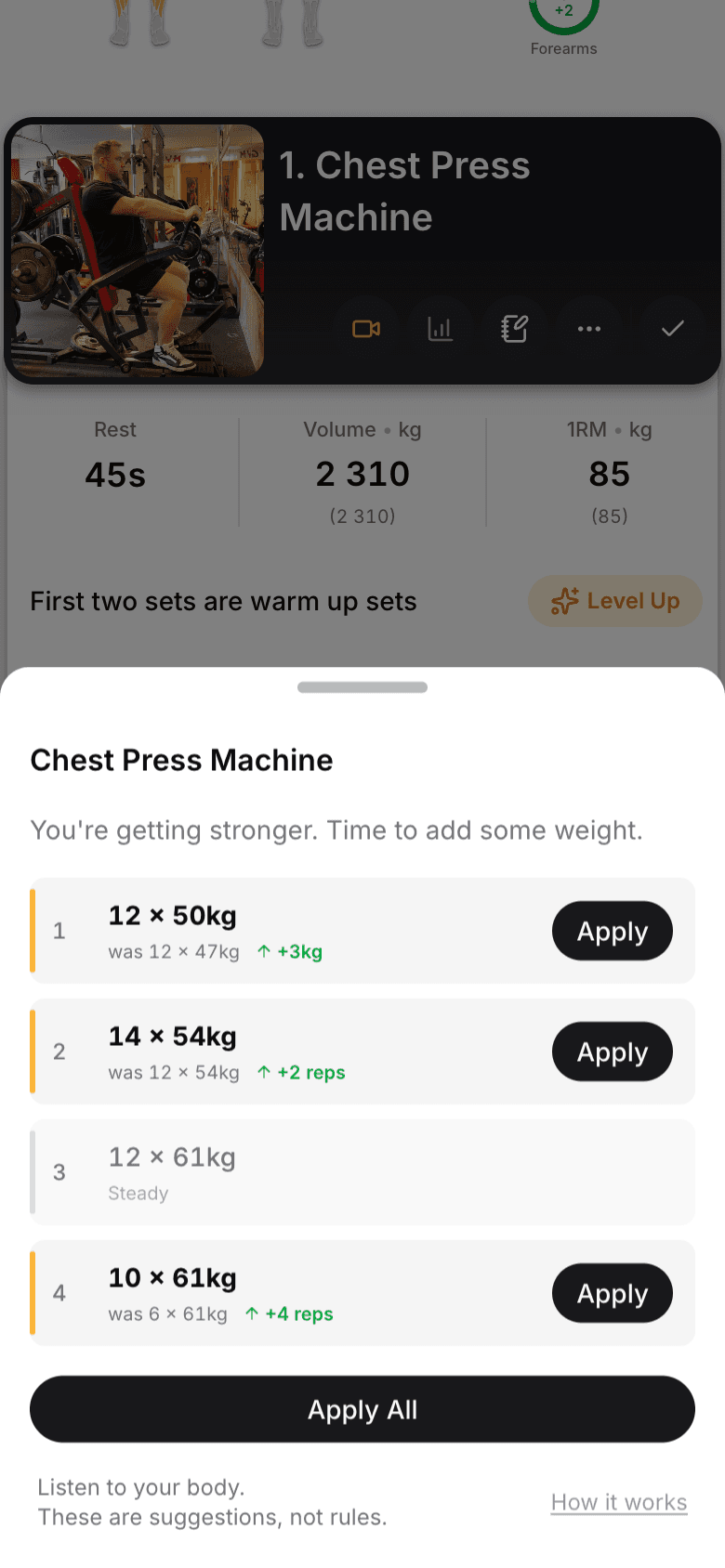
The right weight, every set
Hypro suggests your next Hanging Leg Raises weight and reps based on what you actually lifted, your rest, and your fatigue. Choose weight-first or reps-first. The more you log, the sharper it gets.
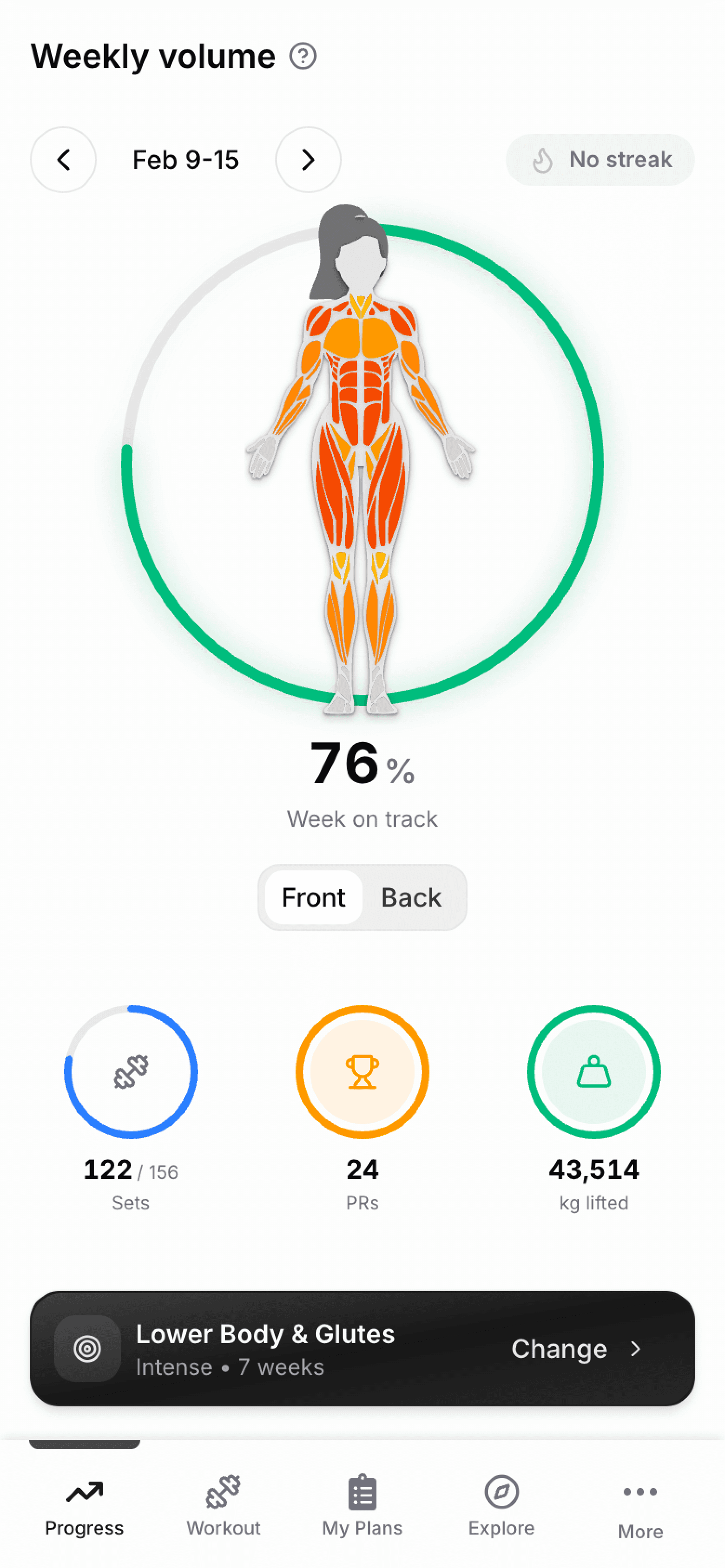
See exactly how much core you train each week
Every set you log counts toward weekly volume per muscle group. Spot imbalances, avoid junk volume, and program the same way IFBB Pros do.
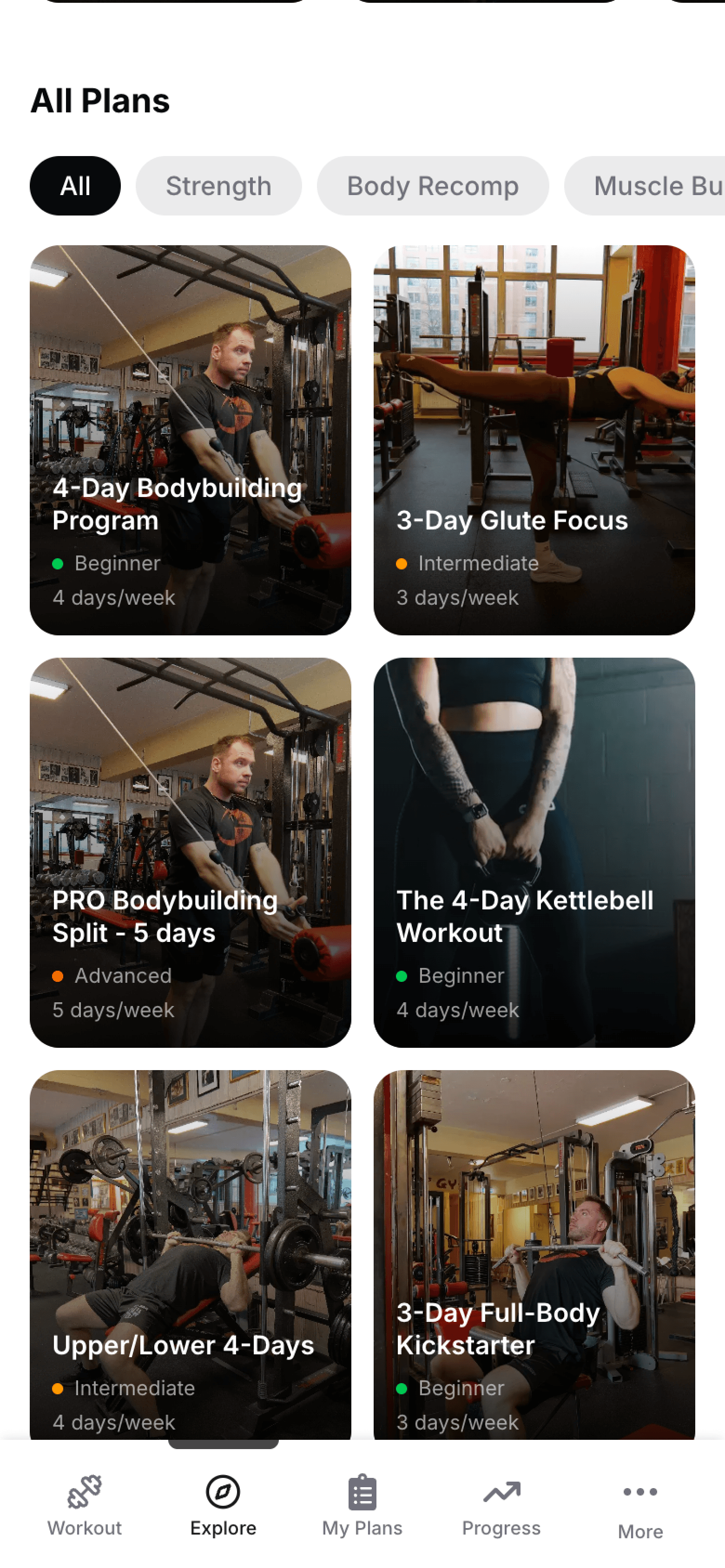
Use this exercise inside an IFBB Pro plan
Pick a coach-made program, get a plan matched to your goals, and message your coach for form checks. The Hanging Leg Raises fits right into proven hypertrophy and strength templates.
For optimal core hypertrophy: aim for 10-20 weekly sets at 65-80% of your 1RM with 1-2 reps in reserve.