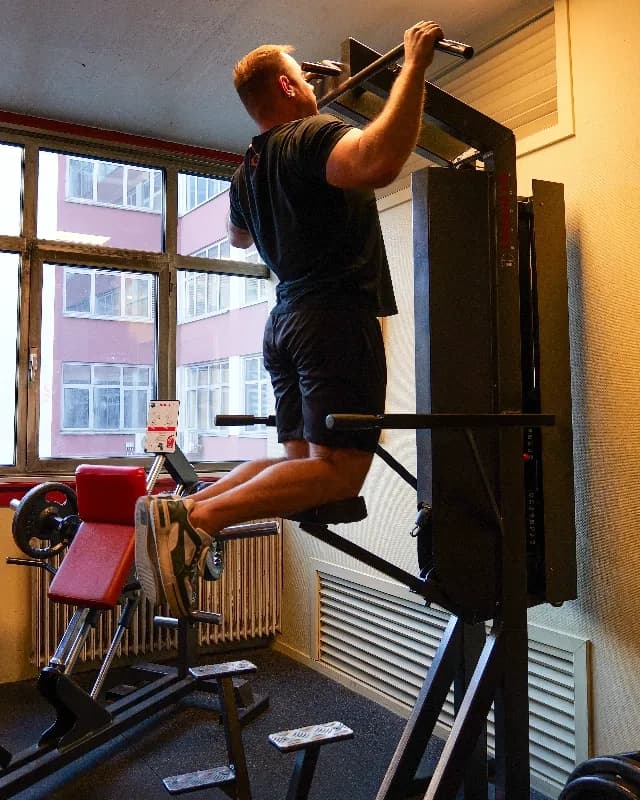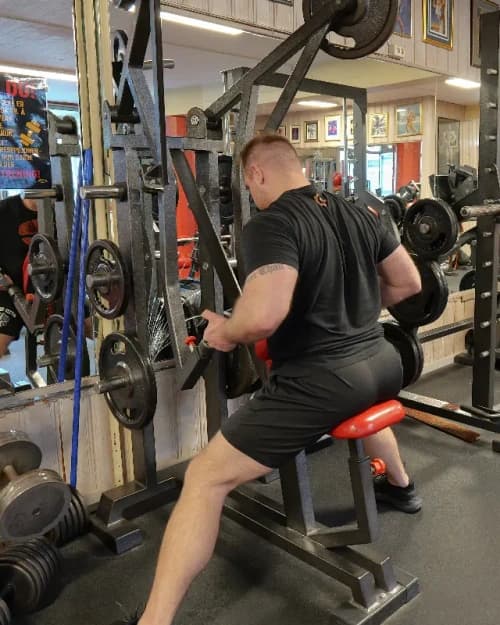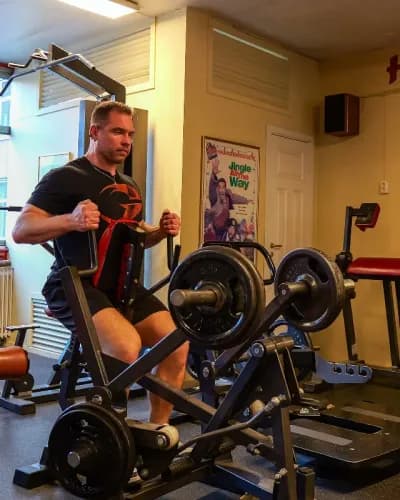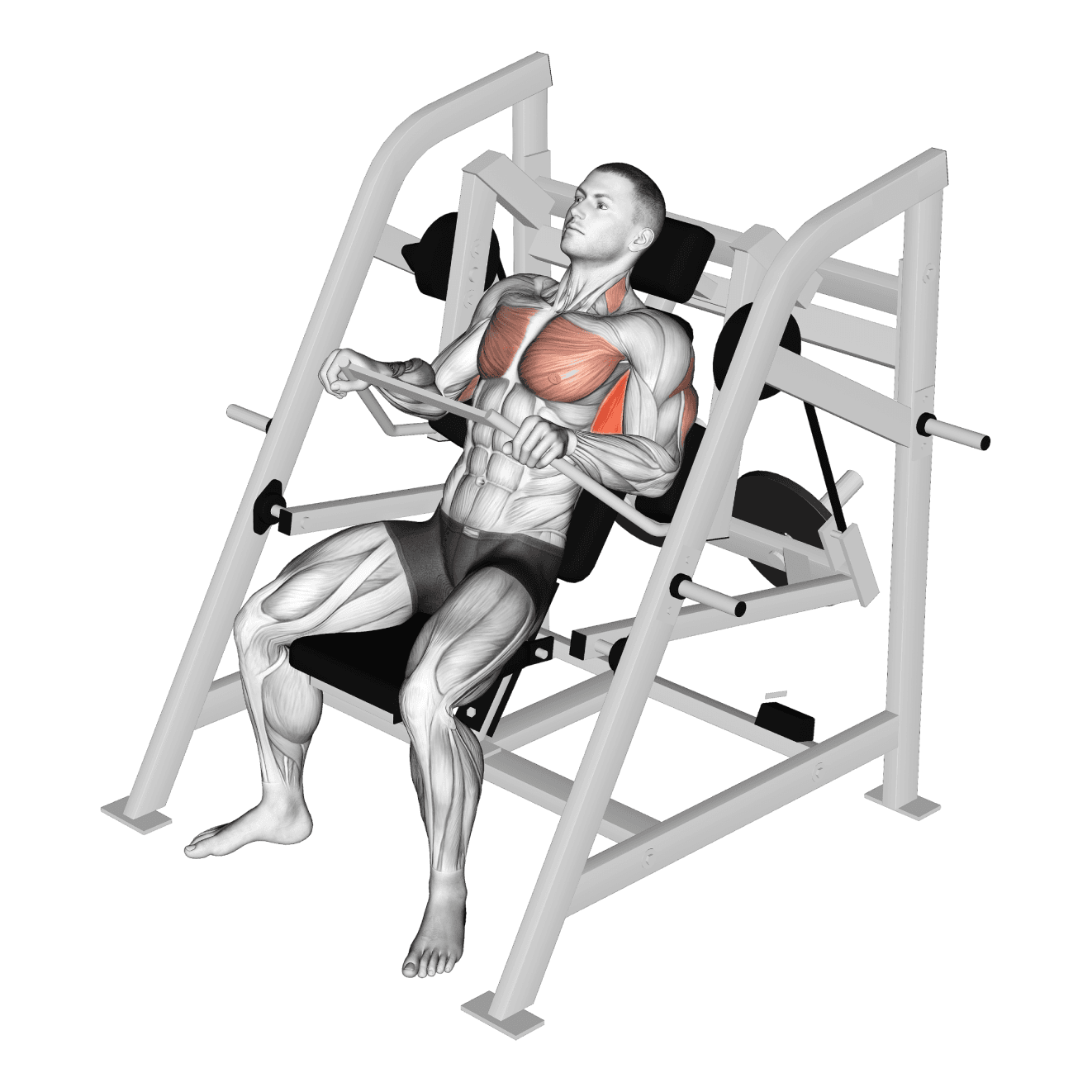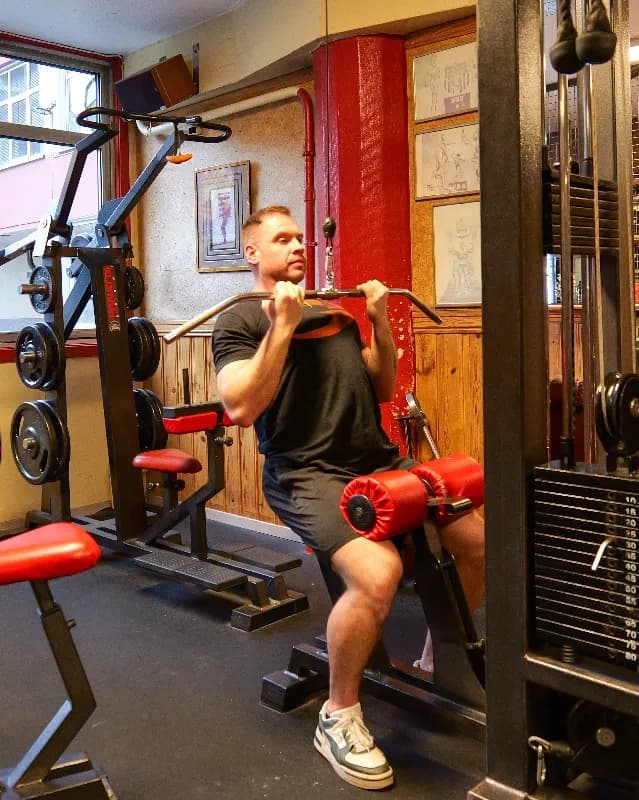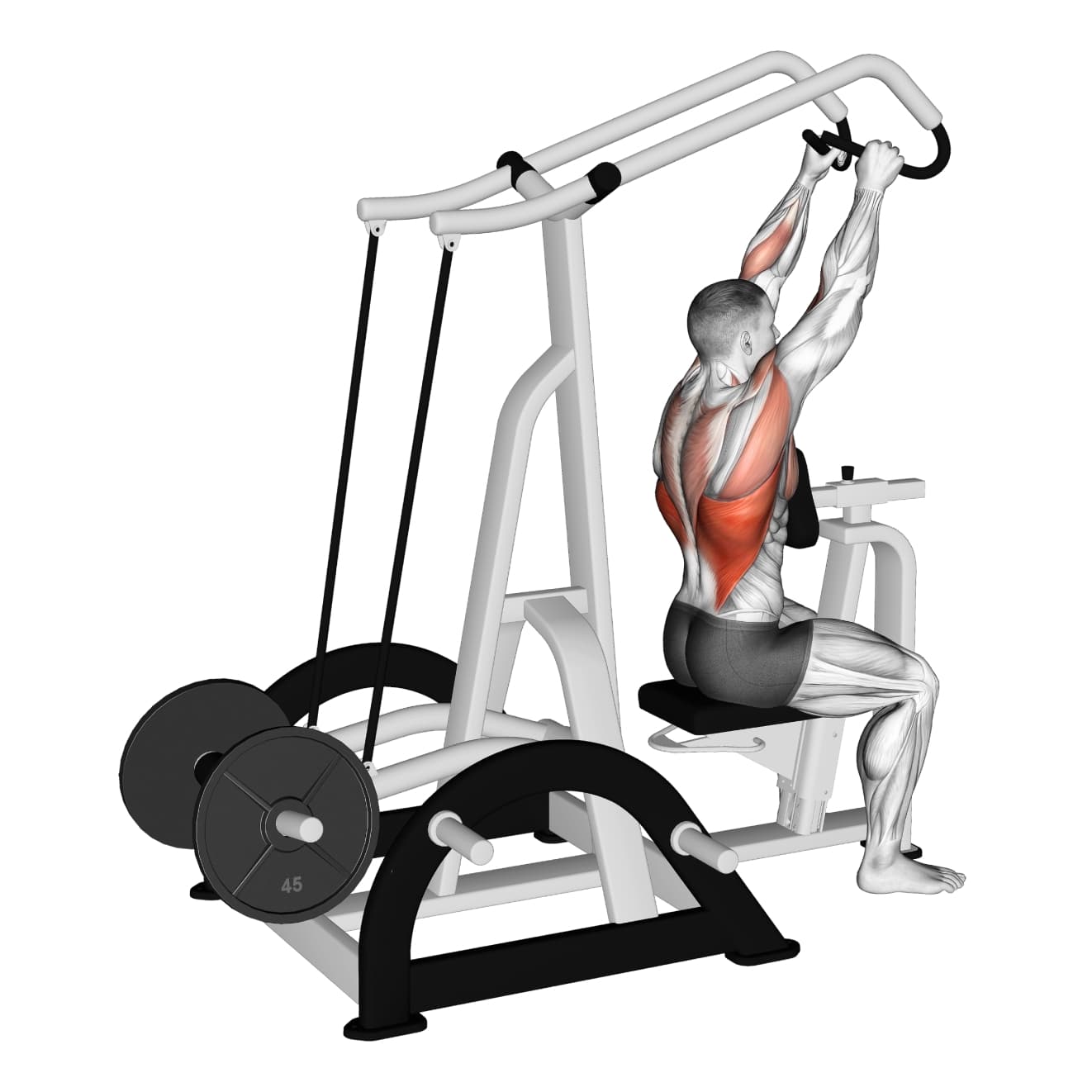
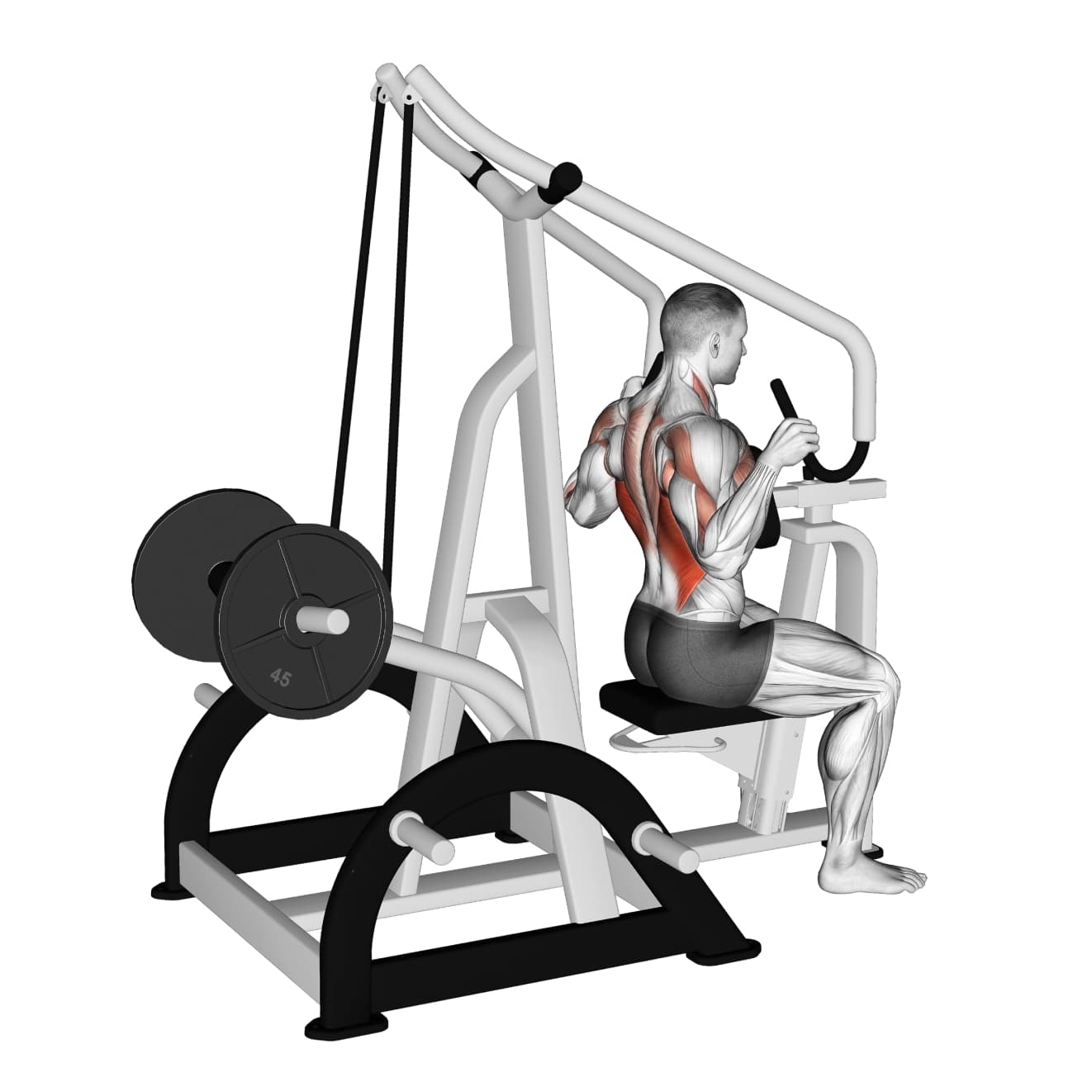
How to perform the Machine High Row
- 1Sit down on the machine with your chest against the pad, feet flat on the floor, and grab the handles with your arms stretched out in front of you.
- 2Pull the handles back towards your sides, squeezing your shoulder blades together, then slowly let the handles return to the starting position.
Coach tips
- Keep your chest pressed into the pad the whole time to avoid using momentum.
- Focus on pulling with your back muscles, not just your arms.
- Don't let the weight slam down—control the movement both up and down.
Powered by Hypro
Train lats smarter
One rep, one set. Hypro turns the Machine High Row into measurable progress, week after week.
Smart Progression
The right weight, every set
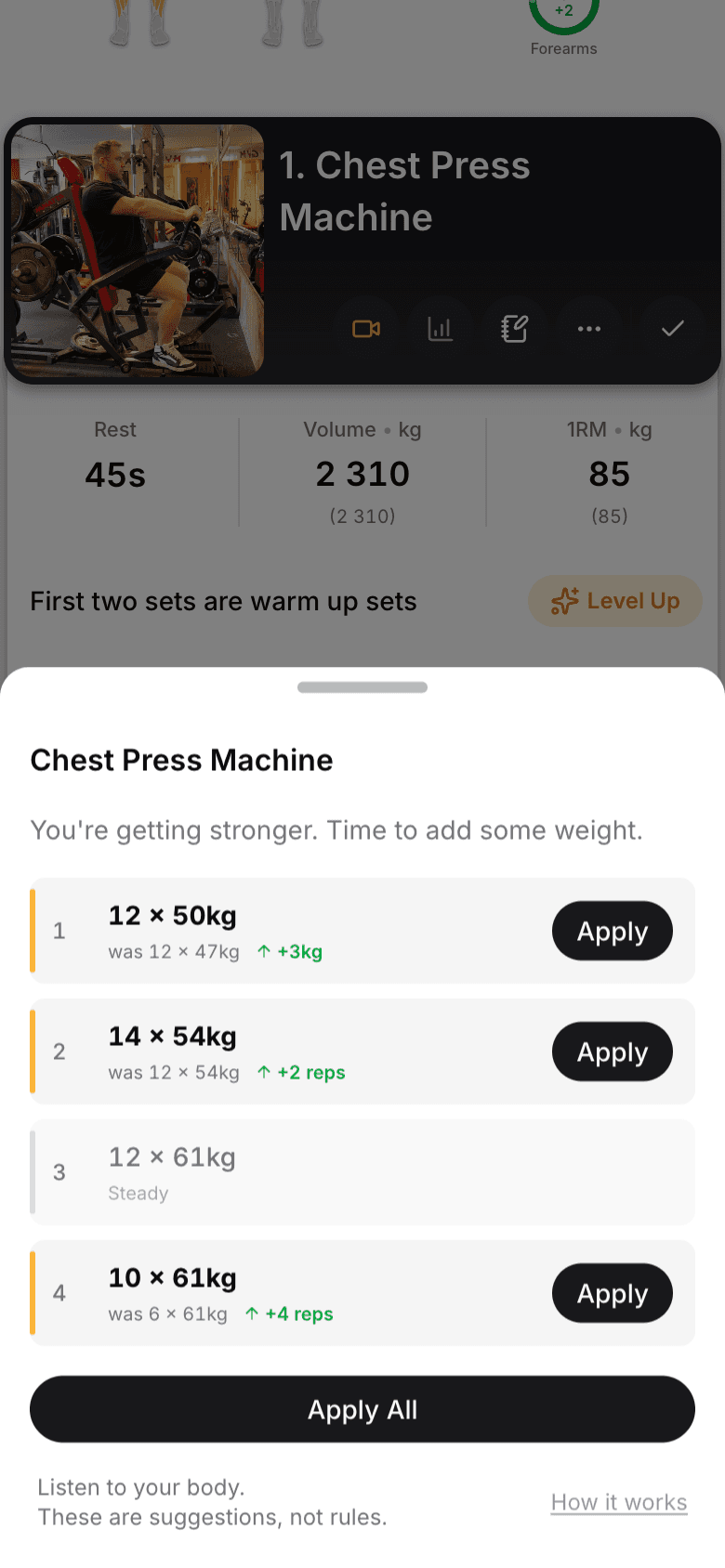
Hypro suggests your next Machine High Row weight and reps based on what you actually lifted, your rest, and your fatigue. Choose weight-first or reps-first. The more you log, the sharper it gets.
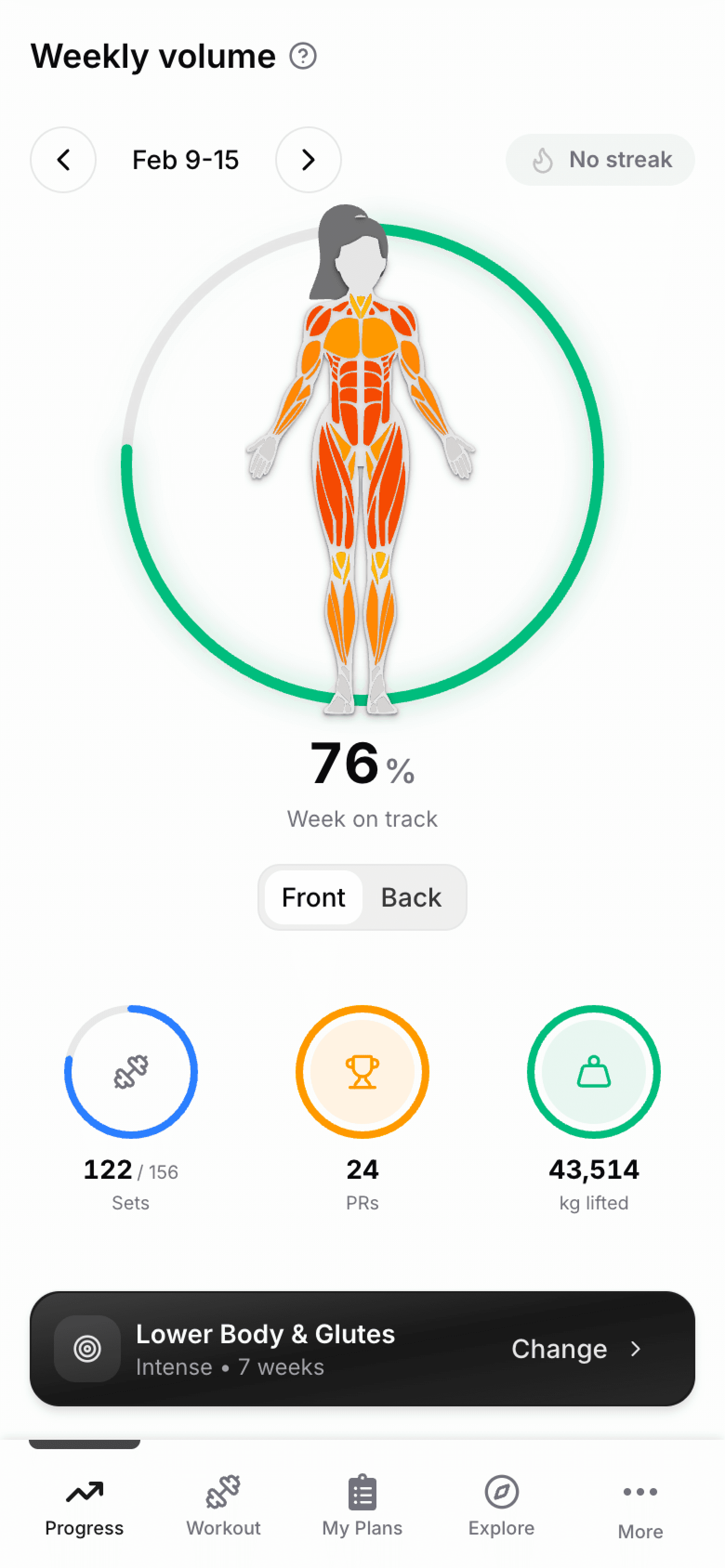
Weekly Volume
See exactly how much lats you train each week
Every set you log counts toward weekly volume per muscle group. Spot imbalances, avoid junk volume, and program the same way IFBB Pros do.
Coach-Built Plans
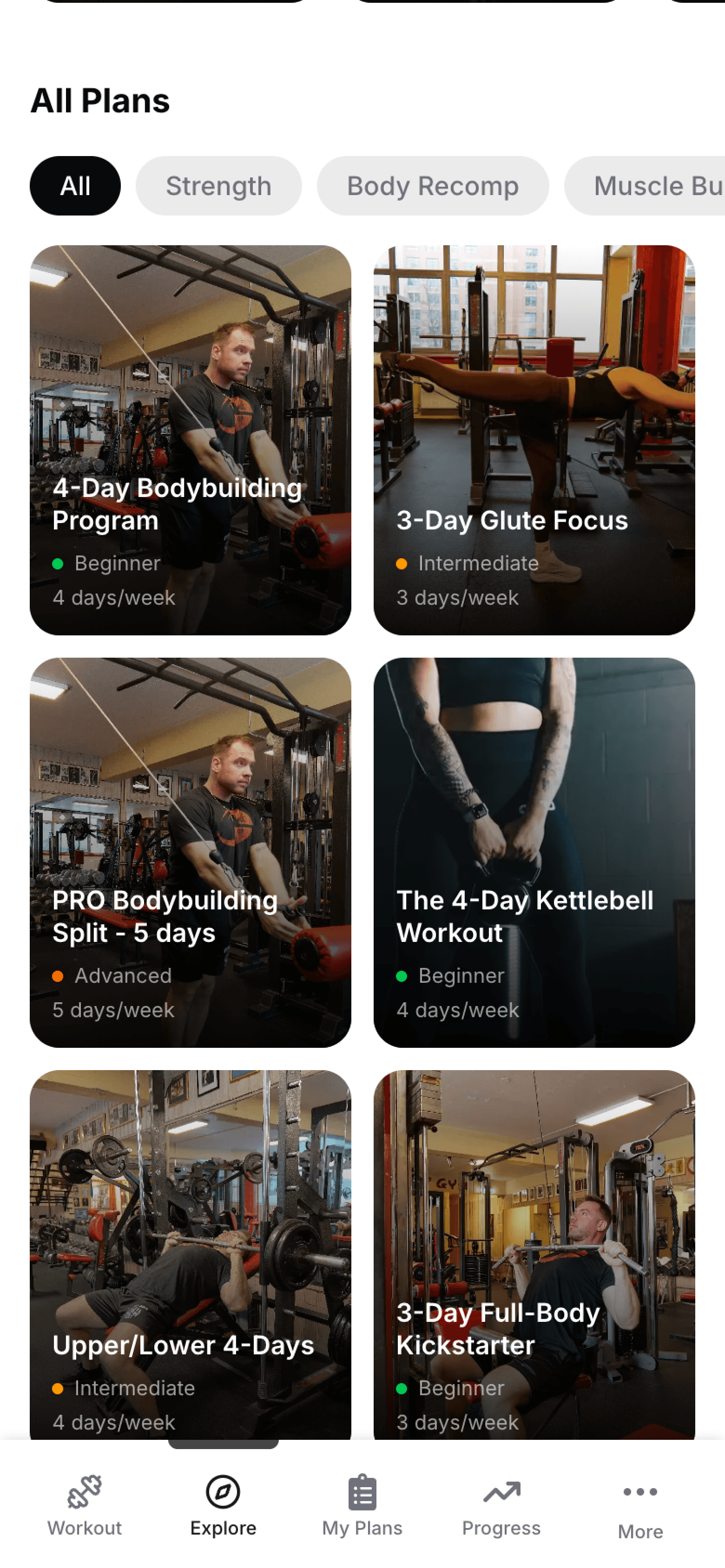
Use this exercise inside an IFBB Pro plan
Pick a coach-made program, get a plan matched to your goals, and message your coach for form checks. The Machine High Row fits right into proven hypertrophy and strength templates.
For optimal lats hypertrophy: aim for 10-20 weekly sets at 65-80% of your 1RM with 1-2 reps in reserve.