Bro Split Workout Routine: Does One Muscle Per Day Work?
The bro split is not dead, and chest day is not a scientific crime. A classic 5-day bro split gives chest, back, shoulders, arms, and legs their own days. It can build muscle, but packing a whole week's work for one body part into one session has trade-offs. The complete example below shows how to run it without copying a professional bodybuilder's workload.
 Maciej Glowacki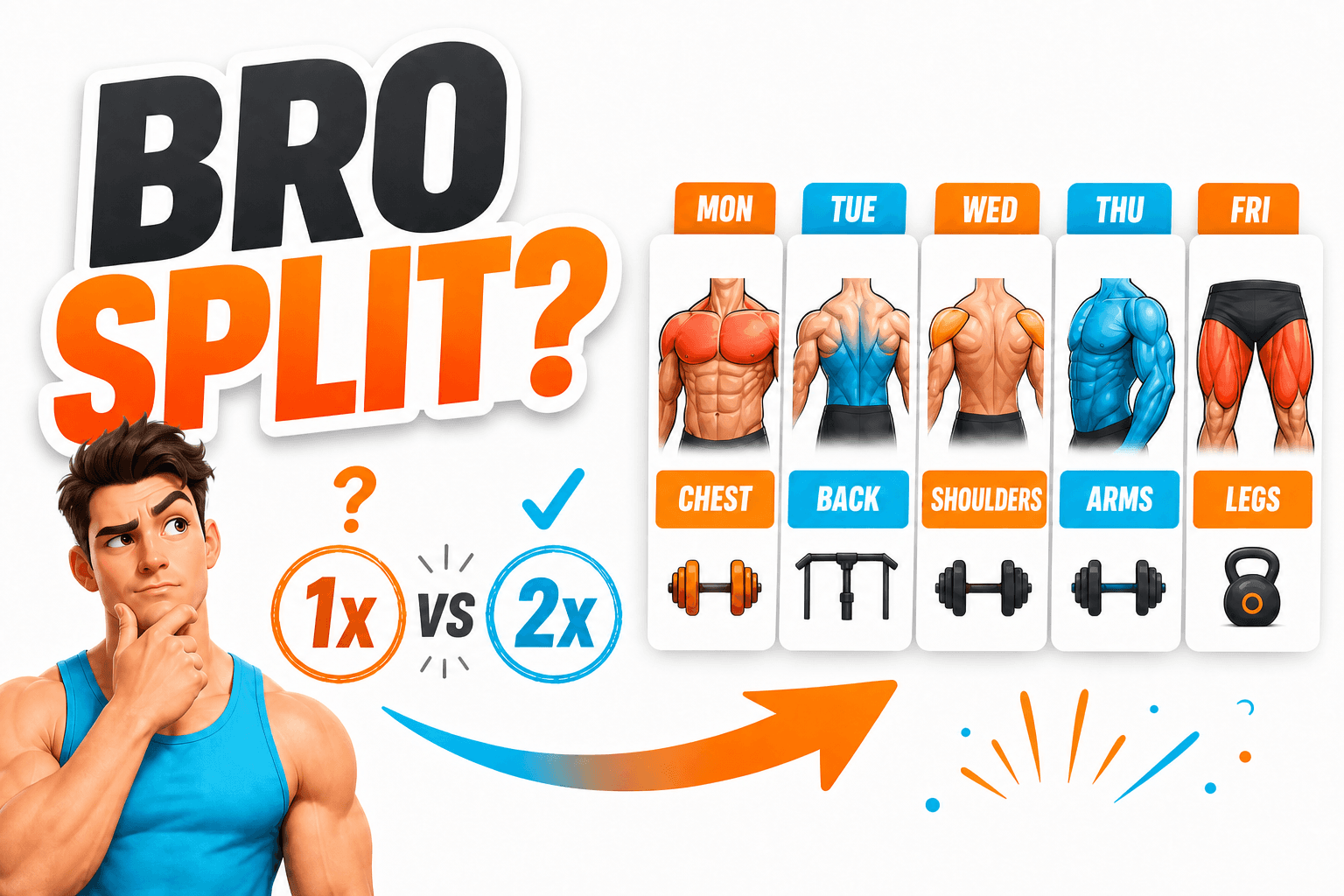
Does a bro split work for building muscle?
A bro split gives one main muscle group its own day: chest Monday, back Tuesday, shoulders Wednesday, arms Thursday, and legs Friday. Each muscle gets one main session, although pressing and pulling also give the arms and shoulders some extra work on other days.
Does it work? Yes. Chest does not check the calendar before growing. A 2019 review of 25 studies found no meaningful difference in muscle growth when people did the same weekly work at different training frequencies. The real problem is fatigue: if all your chest work happens in one session, the final sets may be much worse than the first.
Key takeaways:
- A classic bro split trains each muscle 1x per week. A 2019 meta-analysis of 25 studies found frequency itself made little difference when weekly volume was equated.
- The practical problem is set quality. As a long body-part session continues, load, reps, or technique may decline.
- Fix it without abandoning body-part focus: pair antagonists or add a second weekly touch for big muscles.
- If you enjoy the bro split and progress on it, that consistency is worth more than a theoretically better split you quit.
What is a bro split? The 5-day schedule
The classic layout:
| Day | Session | Weekly frequency per muscle |
|---|---|---|
| Monday | Chest | 1x |
| Tuesday | Back | 1x |
| Wednesday | Shoulders | 1x |
| Thursday | Arms | 1x |
| Friday | Legs | 1x |
| Weekend | Rest |
Its appeal is real: one clear target, simple scheduling, and the psychological pull of a dedicated chest day. Bodybuilders have used this structure for decades. That history shows it can work, not that copying a professional's workload is appropriate for everyone.
Complete 5-day bro split workout: exercises, sets and reps
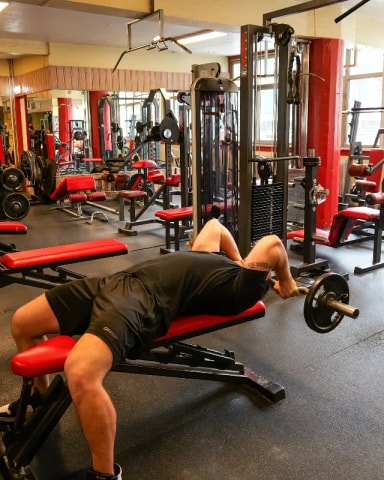
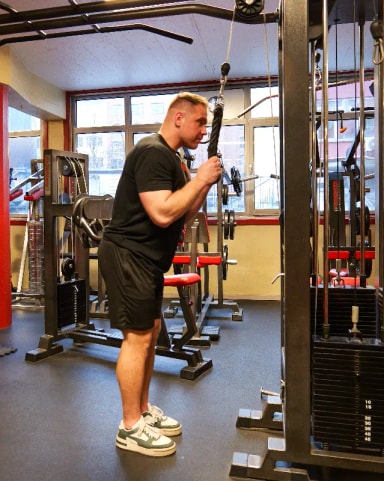
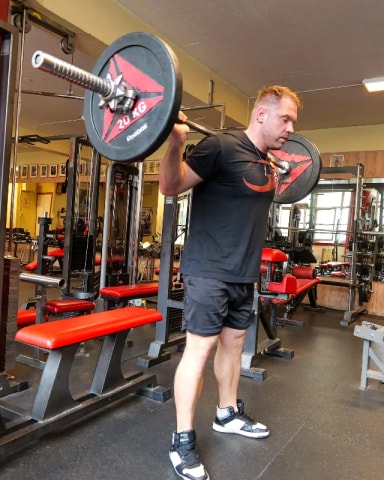
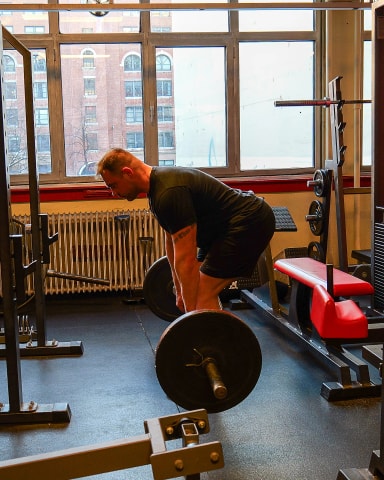
A practical Hypro example with exercise guides, sets, reps, and exercise images. It is not the same as any coach-built Premium plan in the app.
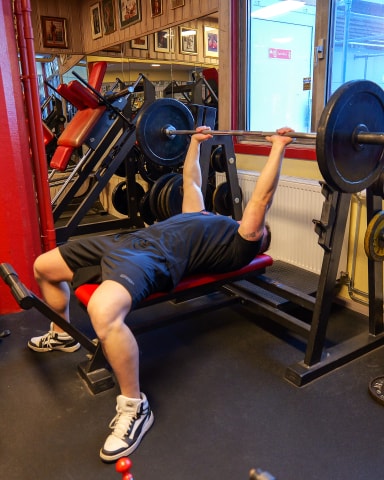
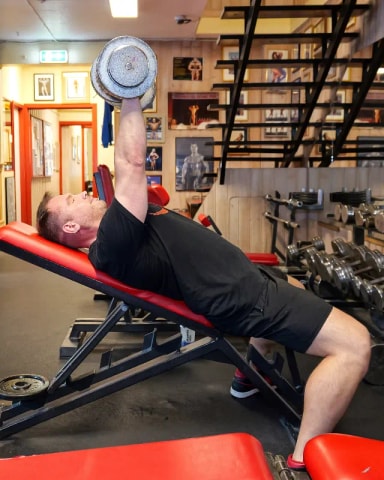
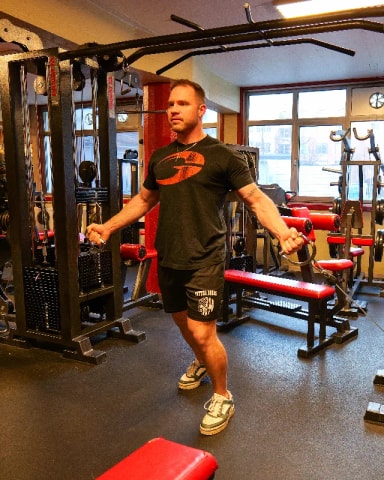
Chest
Horizontal and incline pressing
Back
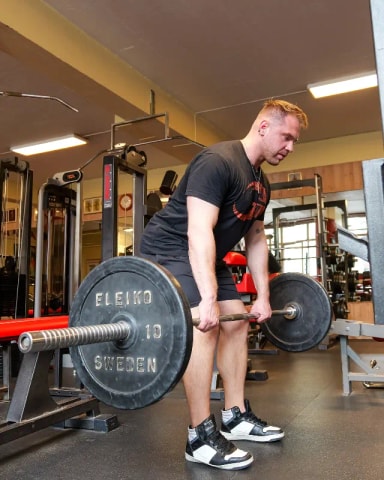
Rows and vertical pulls
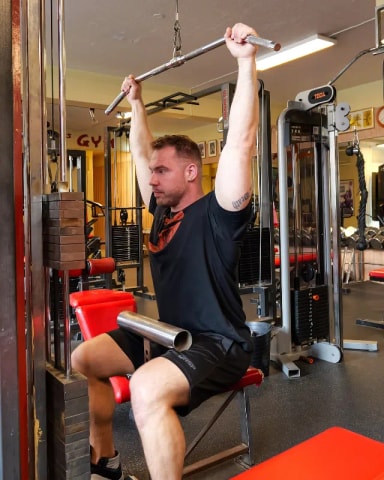
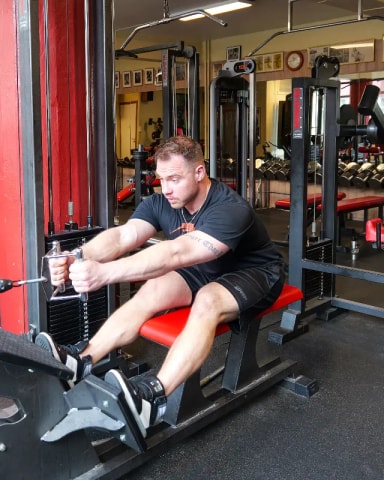
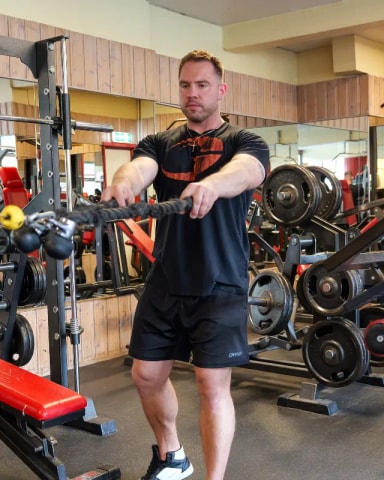
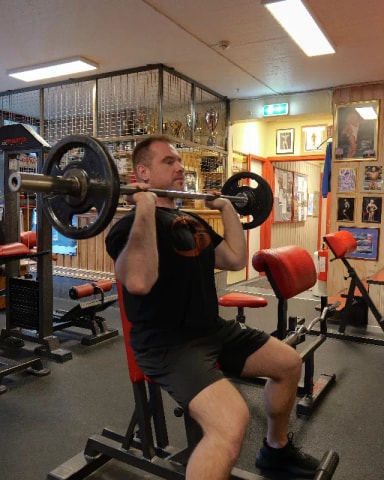
Shoulders
Front, side, and rear delts
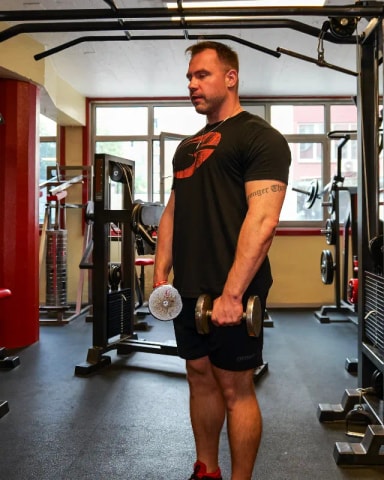
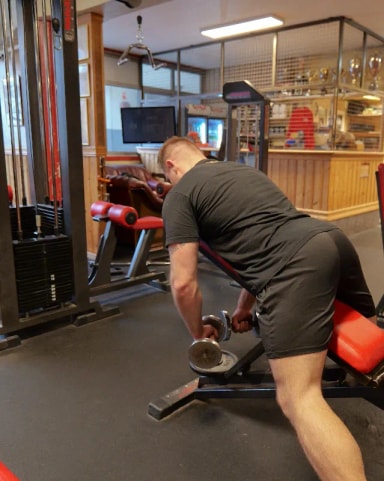
Arms
Biceps and triceps
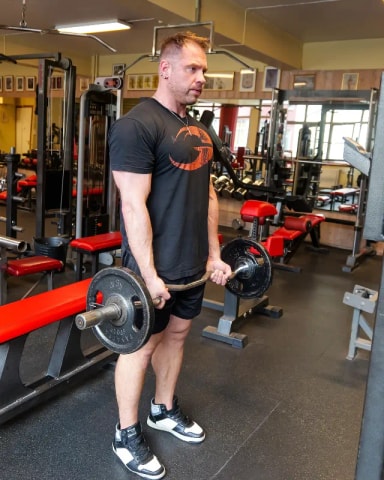
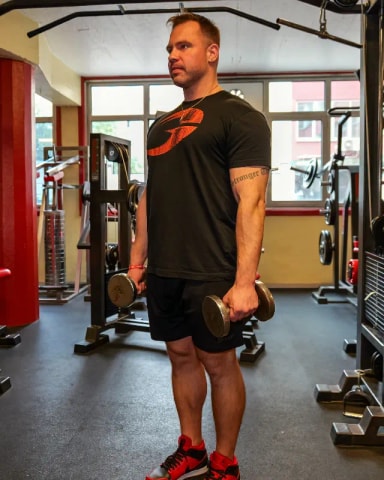
Legs
Quads, hamstrings, glutes, and calves
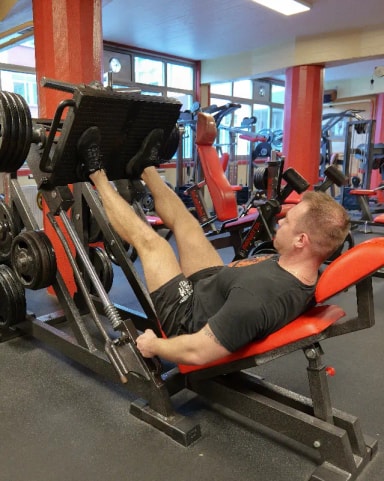
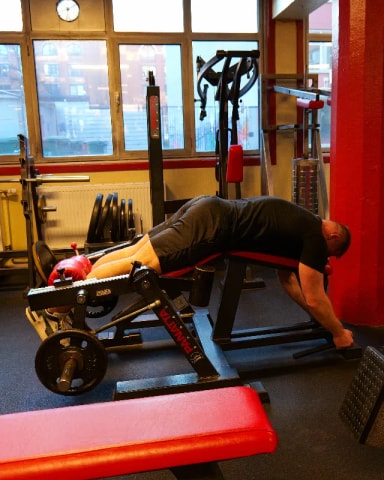
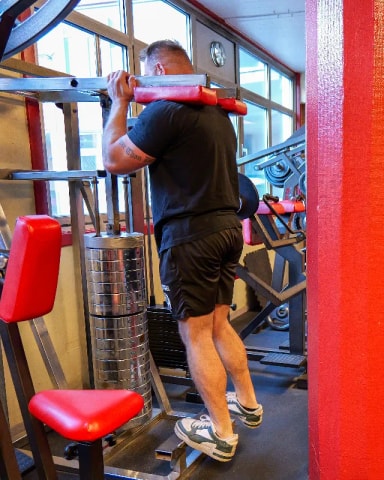
Keep most sets hard, but stop when you could still do 1-3 clean reps. Rest 2-3 minutes after big lifts and 60-120 seconds after smaller exercises. When you reach the top of a rep range with good form, add the smallest available weight increase.
The routine starts with 10 chest sets, 10 back sets plus 2 face-pull sets for the rear shoulders, and 11 shoulder sets. Biceps and triceps each get 6 direct sets plus extra work from pressing and pulling. Legs get 7 quad sets, 6 hamstring sets, and 4 calf sets. These are starting points, not targets everyone must hit.
Compare those numbers with the weekly sets calculator, then use the progressive overload calculator to decide when to add a rep or increase the weight.
What the science actually says
Two findings frame the whole debate:
The original frequency result was overstated. A 2016 meta-analysis by Schoenfeld et al. reported effect sizes of 0.49 for higher frequency and 0.30 for lower frequency. Turning the ratio between those effect sizes into a percentage is not the same as measuring a percentage difference in muscle gained.
Volume-matched evidence is clearer. A 2019 meta-analysis by Schoenfeld, Grgic, and Krieger across 25 studies found no meaningful growth difference between frequencies once weekly sets were equated. A 2026 meta-regression by Pelland et al. likewise found frequency's independent effect on hypertrophy compatible with being negligible. Frequency is best treated as a way to organize enough productive weekly work.
So the honest verdict: a bro split can grow muscle as well as other structures when the weekly dose and effort are comparable. The problem is delivering a large dose in one session. As fatigue accumulates, load, reps, or technique may decline. The weekly-volume guide therefore treats set ranges as starting points and recommends adjusting from performance and recovery.
Bro split vs upper lower: the direct comparison
This is the choice most 4-5 day lifters actually face:
| Bro split (5 days) | Upper/lower (4 days) | |
|---|---|---|
| Frequency per muscle | 1x / week | 2x / week |
| Sets per muscle per session | Often 8-12 direct sets as a starting point | Often 4-9 direct sets in the sample plan |
| Set quality | Can decline in a long session | Easier to distribute across the week |
| Missed session costs | A full muscle group for the week | Half the body, recovered next session |
| Skill practice on big lifts | Once weekly | Twice weekly |
| Session focus | Maximum | Split across muscle groups |
For many lifters, upper/lower makes the work easier to distribute and provides more weekly practice on bench, squats, and rows. A 2018 meta-analysis by Grgic et al. found an apparent strength benefit from higher frequency, though the authors noted that extra volume explained much of it. The bro split wins on focus and simplicity. If that focus keeps you training well, it is not the wrong choice.
How to fix the bro split without abandoning it
If you like body-part training, two small changes can distribute extra work toward the muscles you care about most:
Pair muscles to give selected priorities a second touch. Instead of five isolated days, run pairings like chest+biceps, quads, legs+back+triceps, hamstrings+quads, shoulders+back. This example gives back a second session and quads three exposures while chest keeps one direct day. It is a priority layout, not an every-muscle-twice shortcut.
Count indirect volume honestly. Heavy incline pressing involves the front delts, close-grip bench involves the triceps, and rows involve the biceps and rear delts. That work matters, but an indirect set is not automatically equal to a direct set for every muscle involved. Use overlap to shape the week, then adjust from your log.
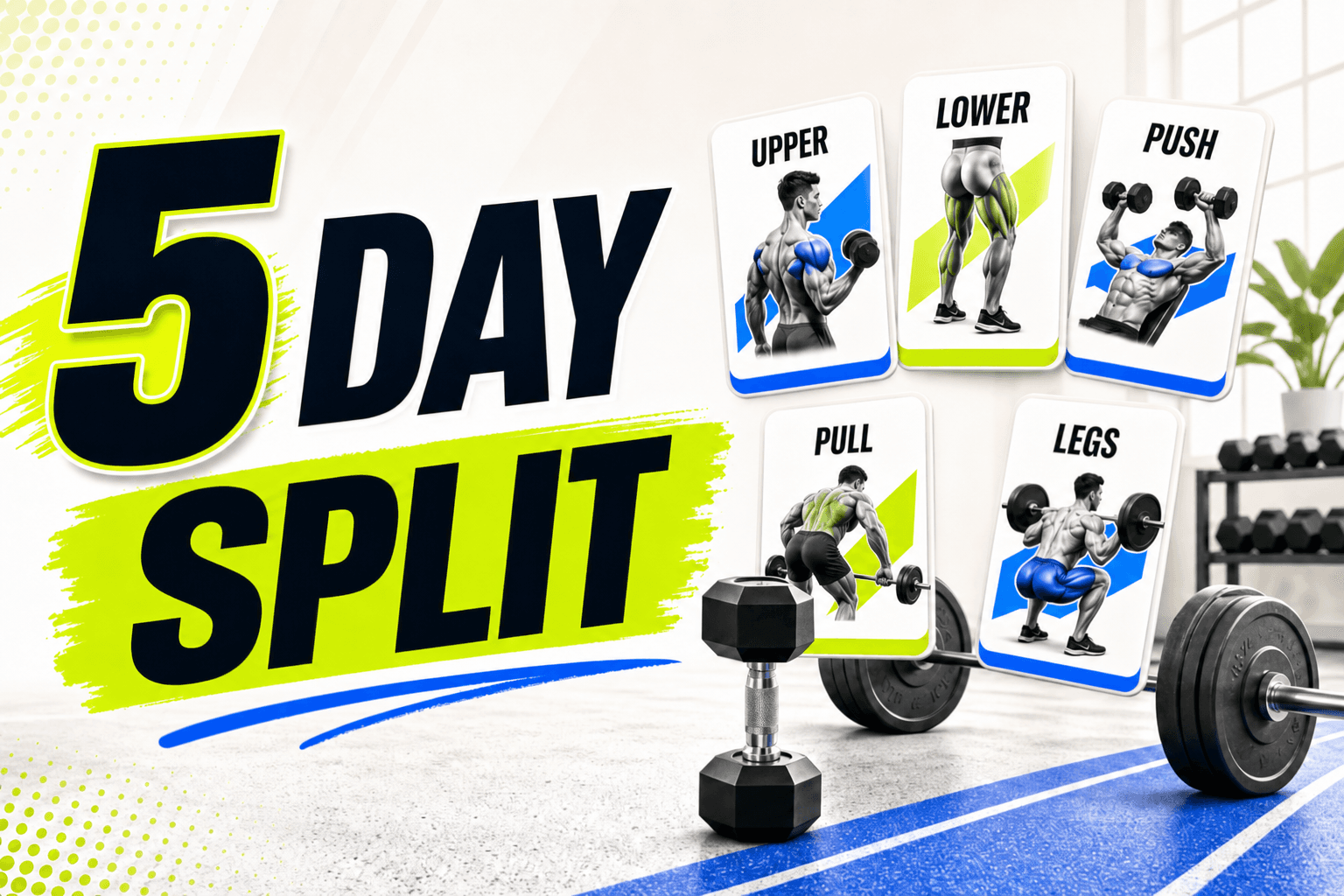
The 5-day workout split guide covers the full smart-pairing layout with exercises, sets, and reps.
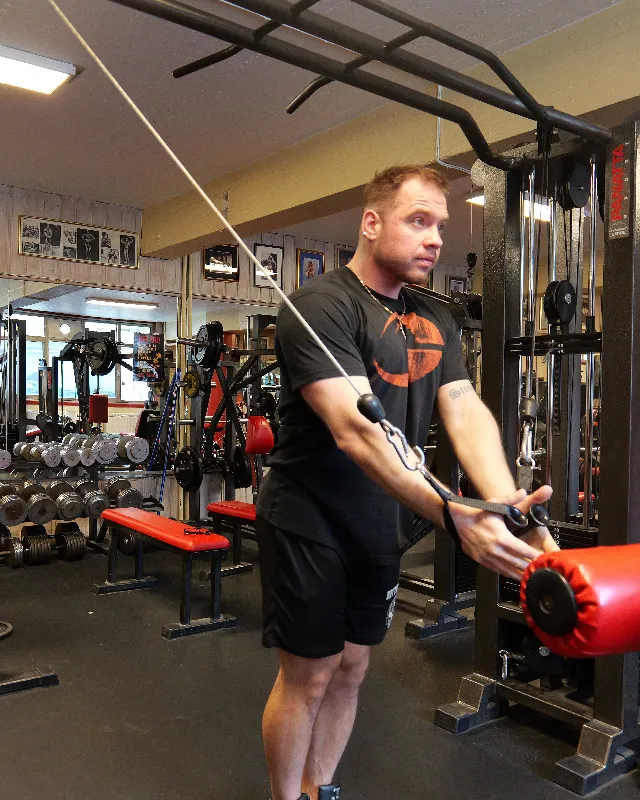
Whichever split you run, Hypro tracks your weekly sets per muscle group automatically, so you can see if the bro split is actually delivering enough volume.
Browse training plans
Maciej Glowacki
Founder and CEO of Hypro. Built the platform from the ground up with years of hands-on lifting experience.