Arnold Split: The Classic 6-Day Routine, Explained Honestly
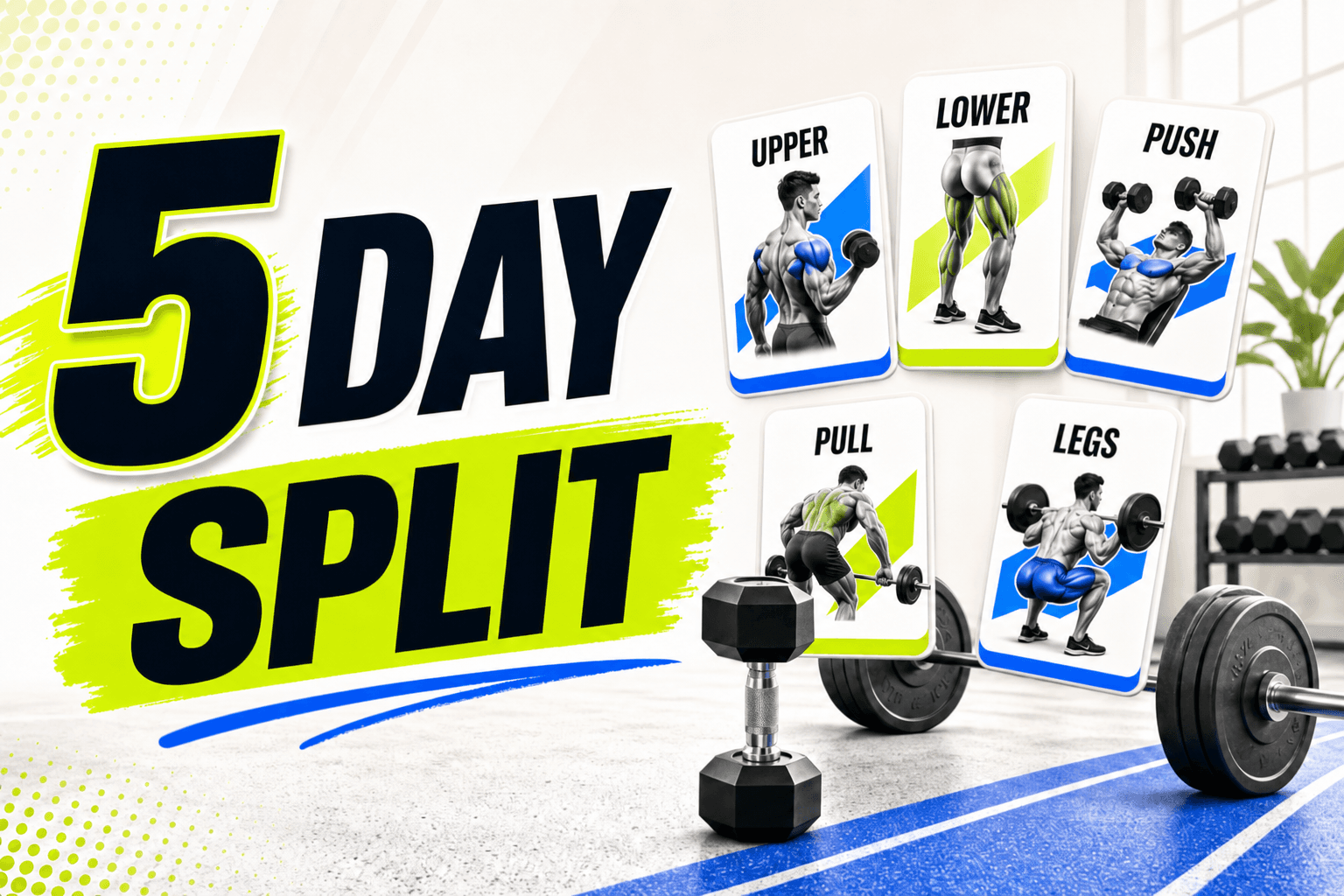
The Arnold split has a famous name and a demanding calendar: chest and back, shoulders and arms, then legs, repeated twice per week. The pairing still makes sense. Copying the workload of a professional bodybuilder does not. Here is a version you can adjust to your own recovery.
 Maciej Glowacki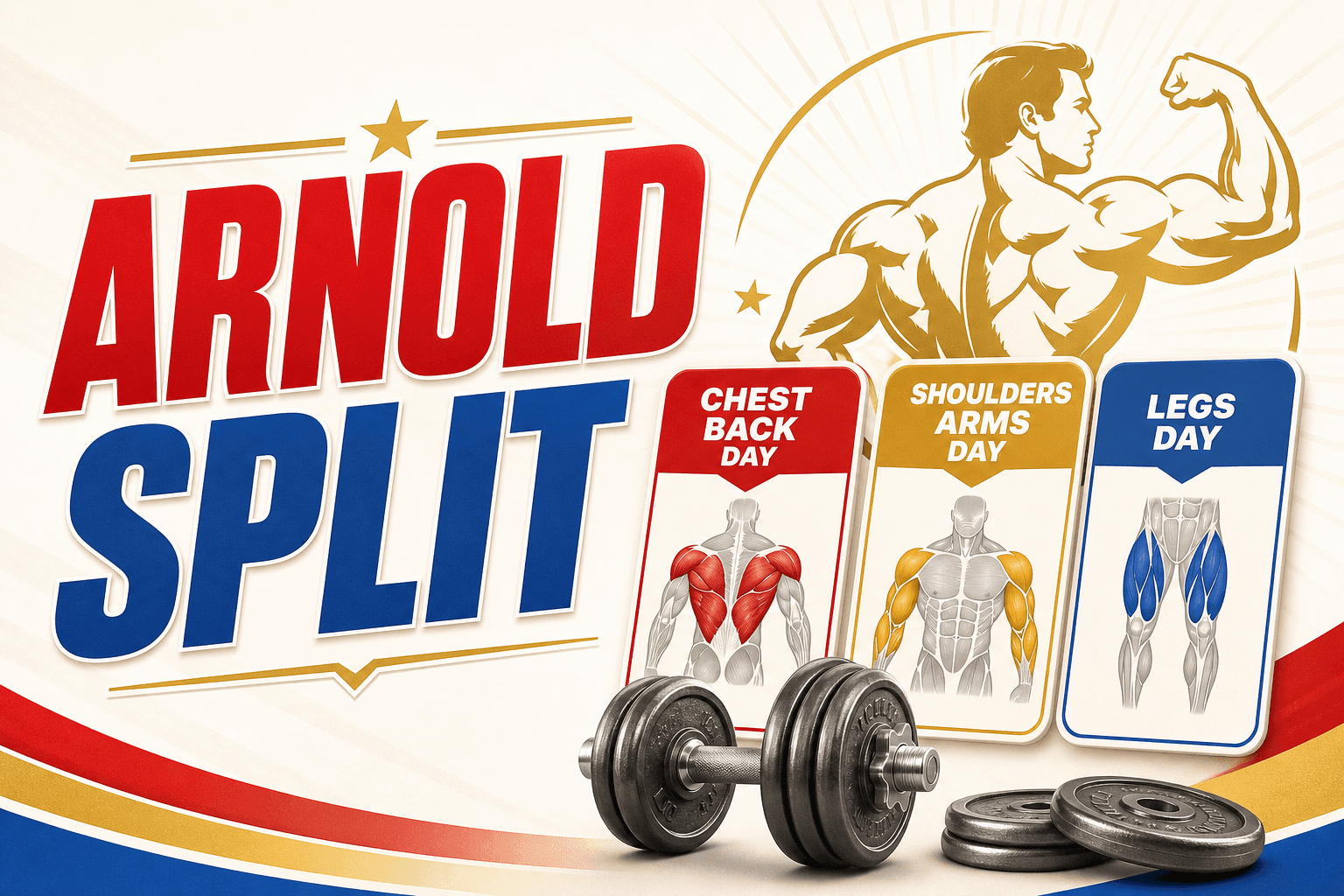
The Arnold split is a 6-day routine built from three workouts: chest and back, shoulders and arms, and legs, each run twice per week. It comes from Arnold Schwarzenegger's Encyclopedia of Modern Bodybuilding, and it remains one of the most searched training splits half a century later.
The famous name is not the useful part. The pairing is. Chest and back can alternate while shoulders and arms get a dedicated day, and each muscle's weekly work is split across two sessions. A 2019 meta-analysis of 25 studies found no meaningful hypertrophy advantage to higher frequency when weekly volume was matched, so the schedule is a tool for distributing work, not Arnold dust. This guide keeps the structure and gives you a more adjustable starting dose.
Key takeaways:
- Three workouts (chest+back, shoulders+arms, legs), each twice per week: 6 training days, 1 rest day.
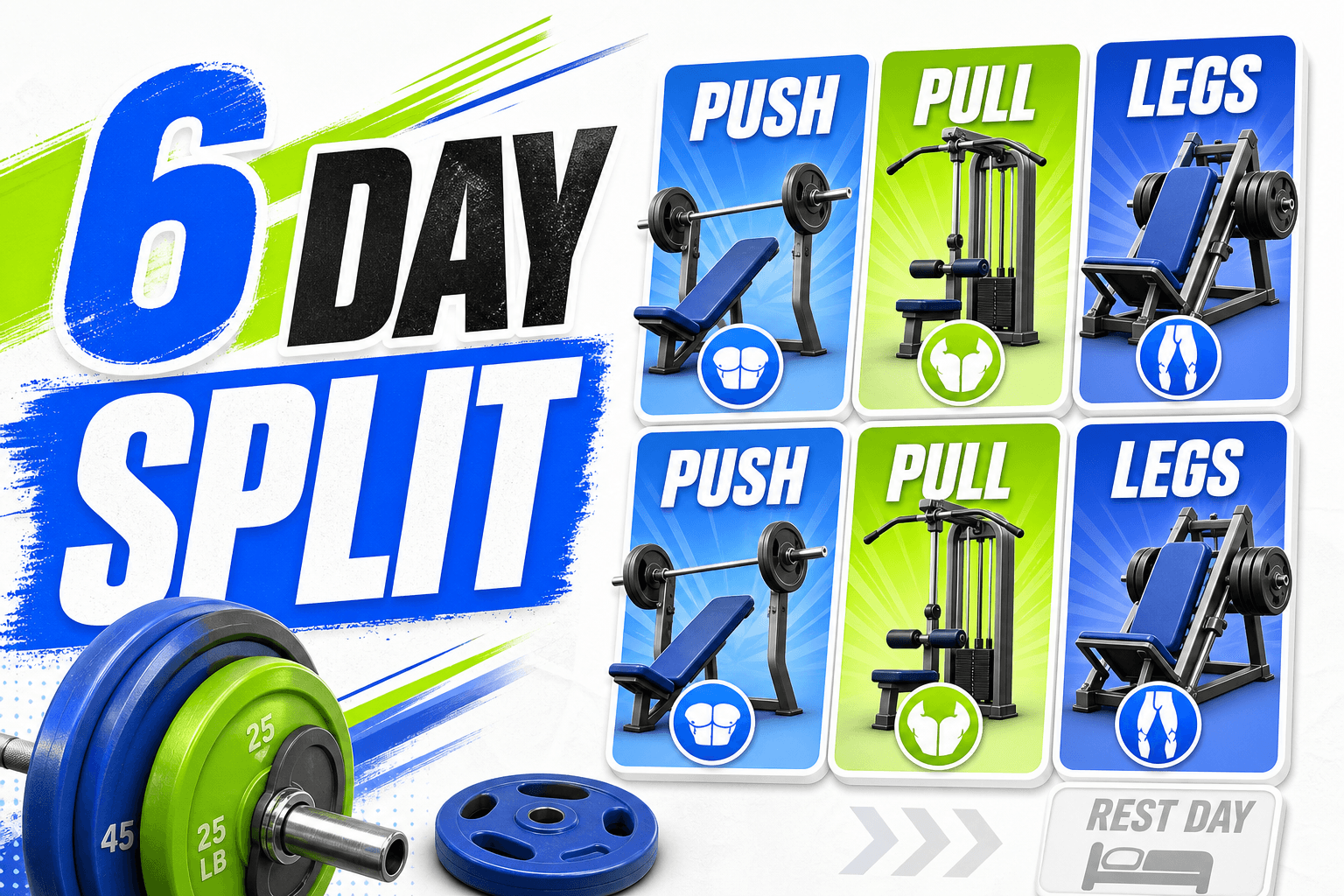
- Every muscle gets 2x weekly frequency, same as a 6-day push/pull/legs split.
- Classic published versions are high-volume. Modern evidence shows diminishing returns as weekly sets rise, so begin with a recoverable dose and add work only when performance supports it.
- The signature feature is antagonist pairing: chest and back in one session allows supersets and cuts session time.
- It is rarely the simplest beginner choice. A 3 or 4-day split usually offers more practice and fewer sessions while a new lifter learns the movements.
What is the Arnold split?
The weekly layout:
| Day | Session | Muscles |
|---|---|---|
| Monday | Chest and back | Chest, lats, upper back |
| Tuesday | Shoulders and arms | Delts, biceps, triceps, forearms |
| Wednesday | Legs | Quads, hamstrings, glutes, calves |
| Thursday | Chest and back | Chest, lats, upper back |
| Friday | Shoulders and arms | Delts, biceps, triceps, forearms |
| Saturday | Legs | Quads, hamstrings, glutes, calves |
| Sunday | Rest |
Two things distinguish it from push/pull/legs. First, chest and back land in the same session as antagonists: one pushes, one pulls. Arnold superset them (bench press into pull-ups), which keeps one muscle resting while the other works and can shorten the session. Second, shoulders and arms get a full dedicated day, making them easy to prioritize without claiming a fixed volume advantage over every PPL program.
The workouts (modern volume)
Classic Arnold templates are famous for very long, high-volume sessions. Treat them as bodybuilding history, not your starting prescription. The version below keeps the structure and pairings but uses a more moderate dose. The exact totals are coach-informed programming values, not universal targets; the weekly-volume guide explains how to adjust them.
Modern Arnold split workout: exercises, sets and reps
Repeat these three moderate-volume Hypro editorial workouts twice each week. This modern example is separate from protected Premium plans.
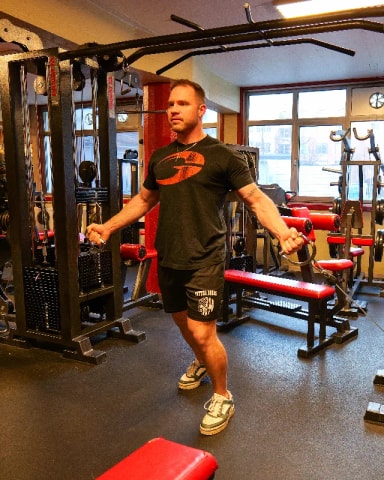
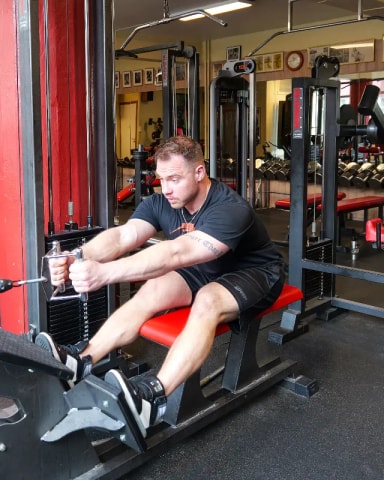
Chest and back
Antagonist upper-body pairing
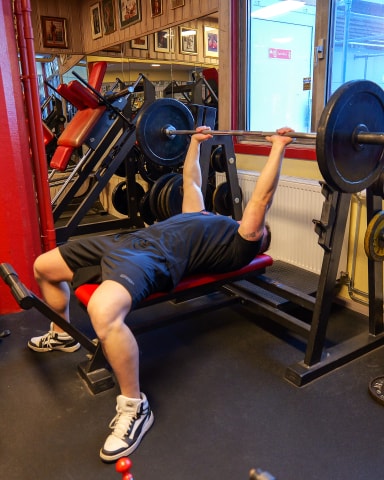
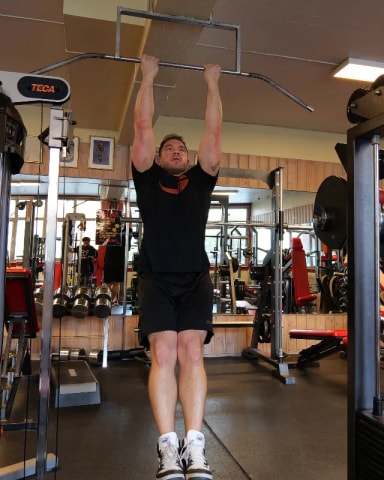
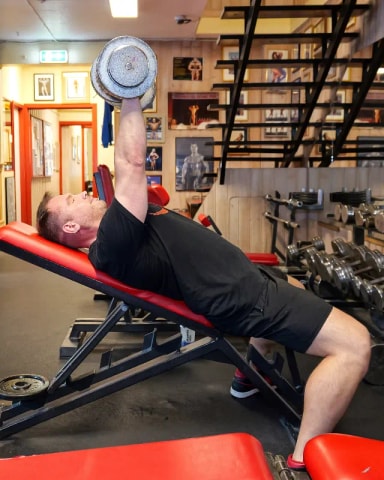
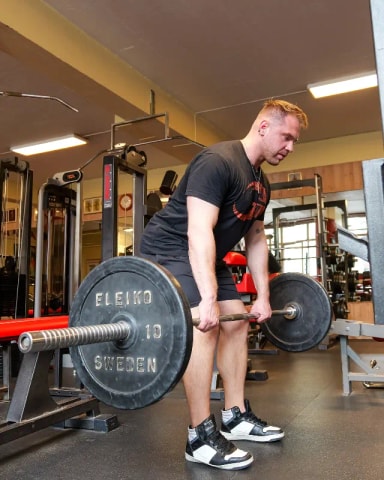
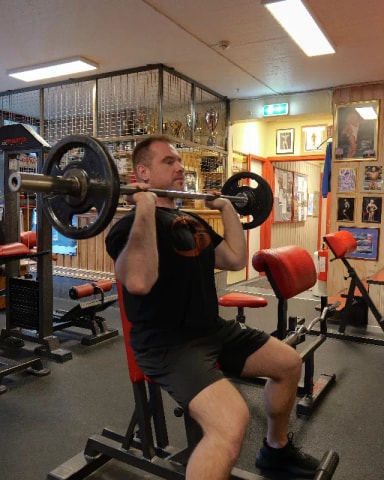
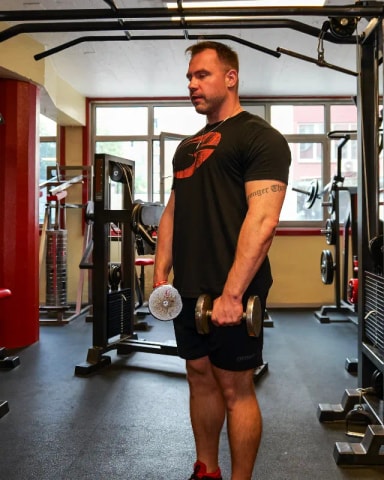
Shoulders and arms
Delt, biceps, and triceps emphasis
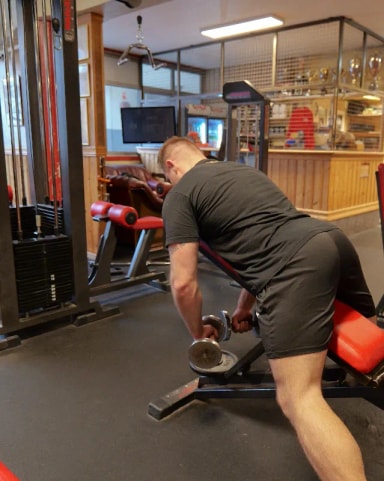
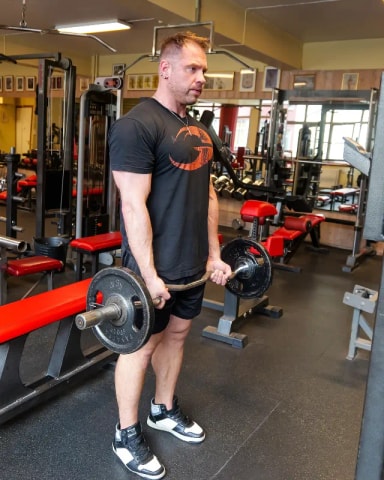
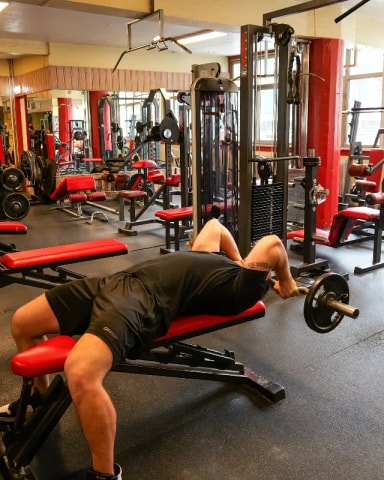
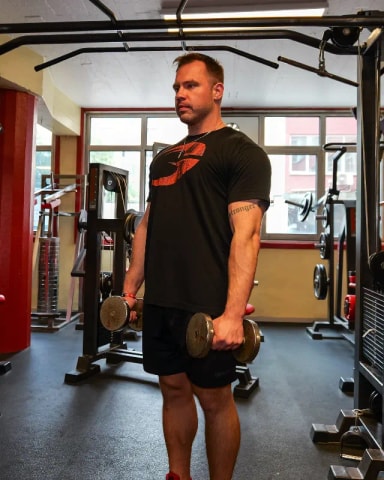
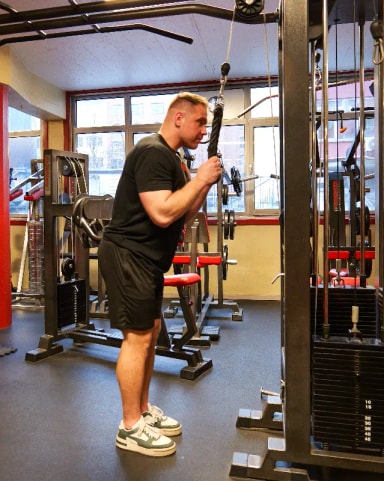
Legs
Quads, hamstrings, glutes, and calves
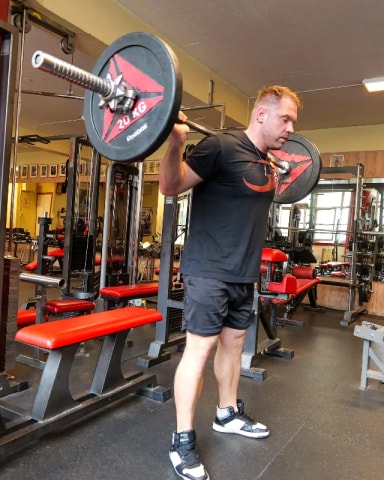
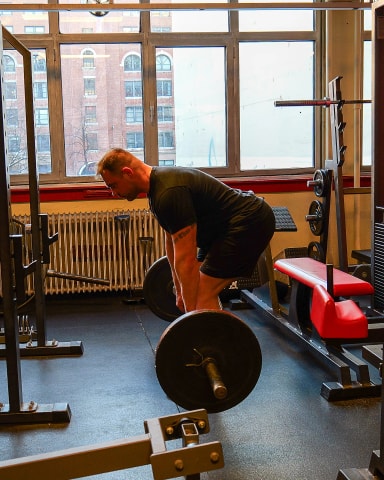
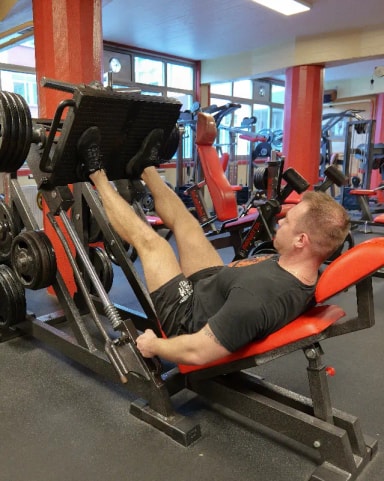
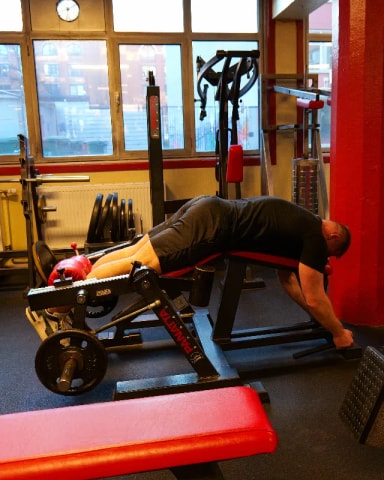
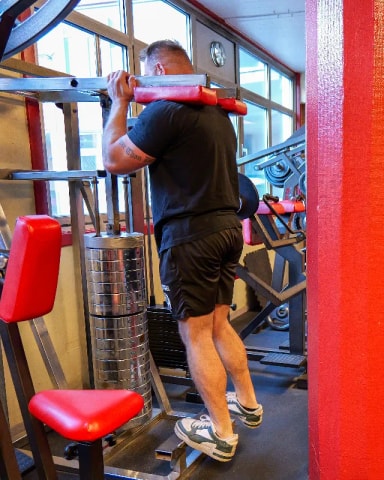
Superset the chest/back pairs (bench with pull-ups, incline press with rows) when technique and equipment allow. Leave a few good reps in reserve on most working sets. A 2023 meta-analysis by Refalo et al. found no hypertrophy advantage to momentary muscular failure over non-failure training, so you do not need to turn every set into a survival test.
Arnold split vs PPL: which should you run?
Both are 6-day splits with every muscle at 2x weekly frequency. A 2024 meta-analysis of 14 studies found no hypertrophy difference between split types at equal volume, so the choice is structural, not scientific:
| Arnold split | Push/pull/legs | |
|---|---|---|
| Chest and back | Same day, supersets possible | Separate days |
| Shoulders and arms | Full dedicated day | Spread across push and pull days |
| Session balance | Day 2 is long without supersets | Even across all three days |
| Best for | Delt and arm priority | Balanced development |
Pick the Arnold split if shoulders and arms are your priority and you enjoy antagonist supersets. Pick PPL if you want simpler, more evenly balanced sessions. The best workout split guide compares both against every other schedule.
Who should not run the Arnold split
Honest answer: anyone choosing it only because Arnold did it. Six training days leave little room for a chaotic week, and the structure does not create growth by itself. When weekly volume is equated, a 2019 meta-analysis by Schoenfeld, Grgic, and Krieger found no meaningful hypertrophy advantage from higher frequency. A 4-day upper/lower split can distribute the same recoverable work with more days away from the gym.
Run the Arnold split when you enjoy its pairings and the six-day rhythm improves your sessions. If performance drops across several lifts at once, treat that as useful feedback: reduce work or take a deload week rather than trying to outwork the warning.
Browse Hypro's 6-day plans, try one demo day for free, or test complete plans during the 7-day Premium trial.
Browse training plans
Maciej Glowacki
Founder and CEO of Hypro. Built the platform from the ground up with years of hands-on lifting experience.