Push Pull Legs Split: The Complete PPL Guide With Workouts
Push pull legs gives every exercise a home: presses on push day, rows and pulldowns on pull day, lower-body work on leg day. Run the cycle across 3, 5, or 6 days depending on your calendar and recovery. The split organizes the work. It does not make the work effective by itself.
 Maciej Glowacki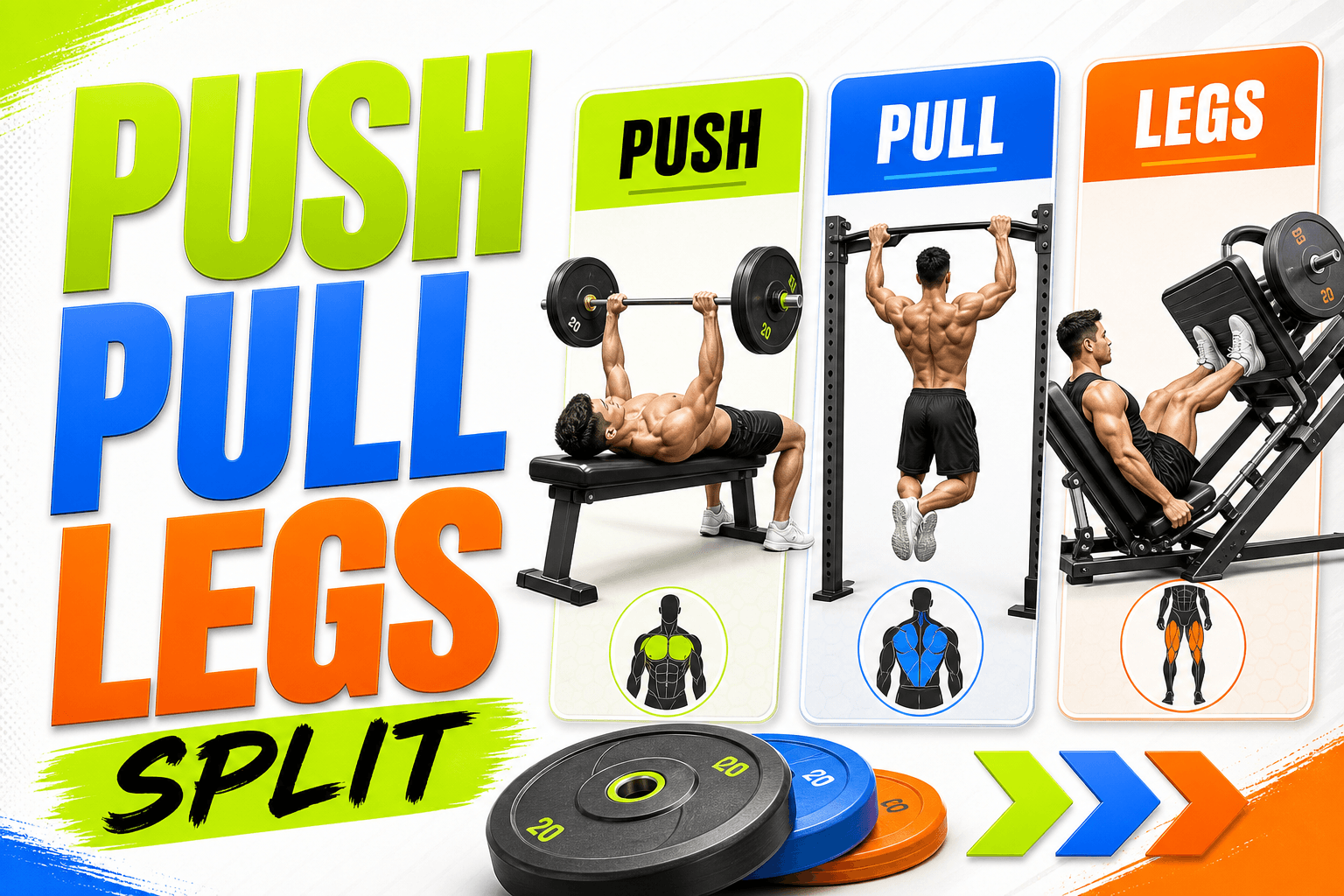
A push pull legs (PPL) split divides your week into three workout types. Push days train chest, shoulders, and triceps. Pull days train back and biceps. Leg days train quads, hamstrings, glutes, and calves. Every pressing muscle works together, every pulling muscle works together, and legs get a full day to themselves.
Run PPL once through per week for three focused sessions, or twice through when six shorter sessions suit your workload and recovery. At 6 days, each muscle gets two direct sessions. A 2019 meta-analysis of 25 studies found no meaningful hypertrophy difference between higher and lower frequency when weekly volume was matched, so use the extra days to distribute work rather than to chase frequency for its own sake.
Key takeaways:
- PPL groups muscles that work together: push (chest, shoulders, triceps), pull (back, biceps), legs (quads, hamstrings, glutes, calves).
- 3-day PPL offers focused sessions. Beginners who want more movement practice may prefer 3-day full body.
- When weekly volume is equal, PPL grows muscle just as well as upper/lower or full body (2024 meta-analysis).
- The main risk of 3-day PPL is practical: miss one day and that muscle group loses its only direct session for the week.
- Track weekly sets per muscle so no muscle group silently falls behind.
What is a push pull legs split?
PPL is built on movement patterns, not body parts. Every exercise where you press a weight away from you lands on push day. Every exercise where you row or pull a weight toward you lands on pull day. Everything lower body lands on leg day.
This grouping makes overlap easier to see. Your triceps work in presses and your biceps work in rows. Keeping those exercises on the same day can simplify fatigue management. It does not create perfectly isolated recovery days, because shoulders, elbows, lower back, and grip still cross movement categories.
| Day | Muscles | Core lifts |
|---|---|---|
| Push | Chest, shoulders, triceps | Bench press, overhead press, incline press, lateral raises, triceps extensions |
| Pull | Back, rear delts, biceps | Rows, pull-ups or pulldowns, face pulls, curls |
| Legs | Quads, hamstrings, glutes, calves | Squats, Romanian deadlifts, leg press, leg curls, calf raises |
How many days per week should you run PPL?
3 days per week works when you like focused sessions or have three fixed gym days. Each muscle gets one direct session per week. Progress still matters, but it does not need to appear as more weight or reps every single workout. Judge trends across several weeks.
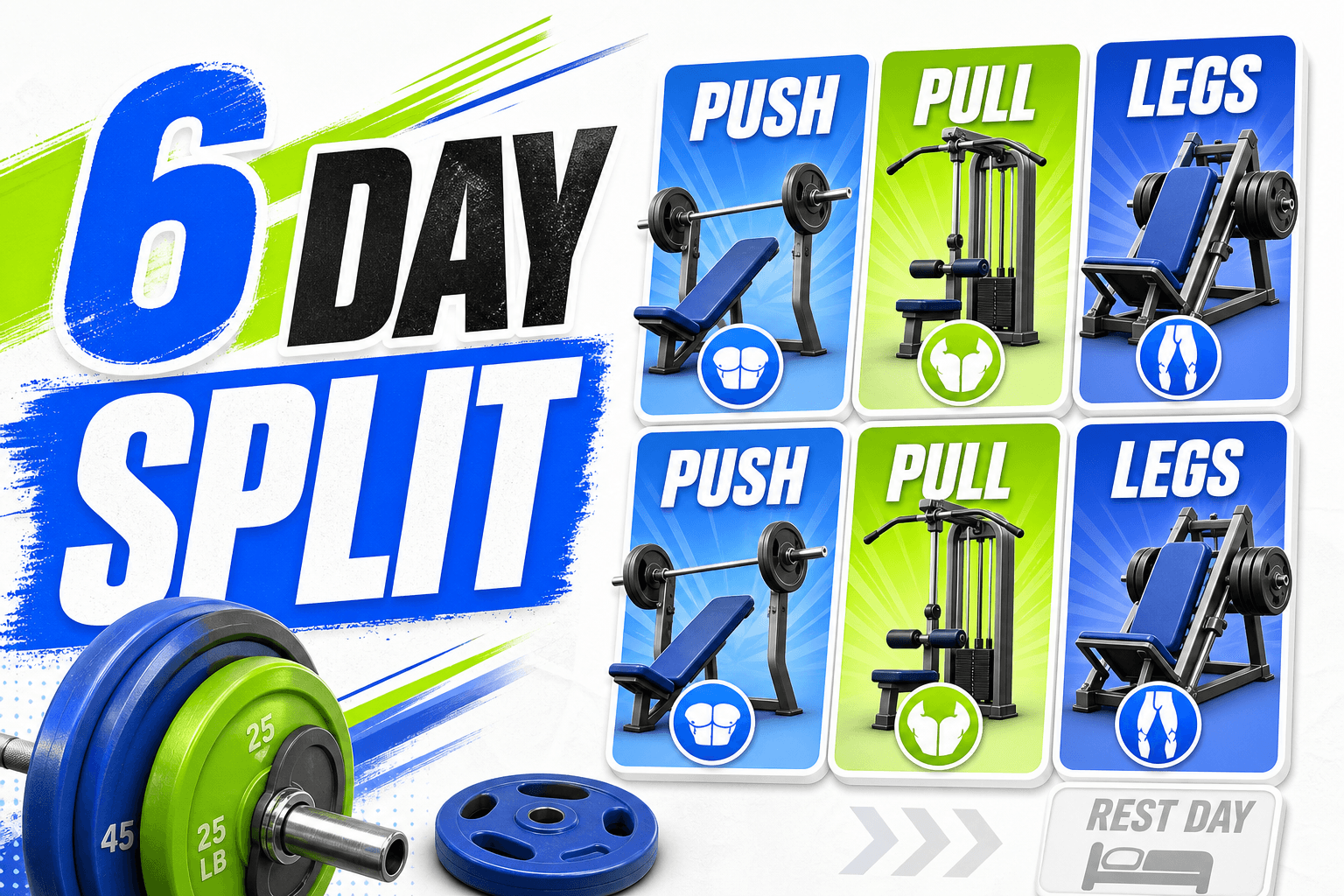
6 days per week is the classic PPL: push, pull, legs, repeat, one rest day. Each muscle gets trained twice per week, giving you room to distribute a high weekly workload. Use the weekly-volume guide for a starting dose, then adjust from progress and recovery.
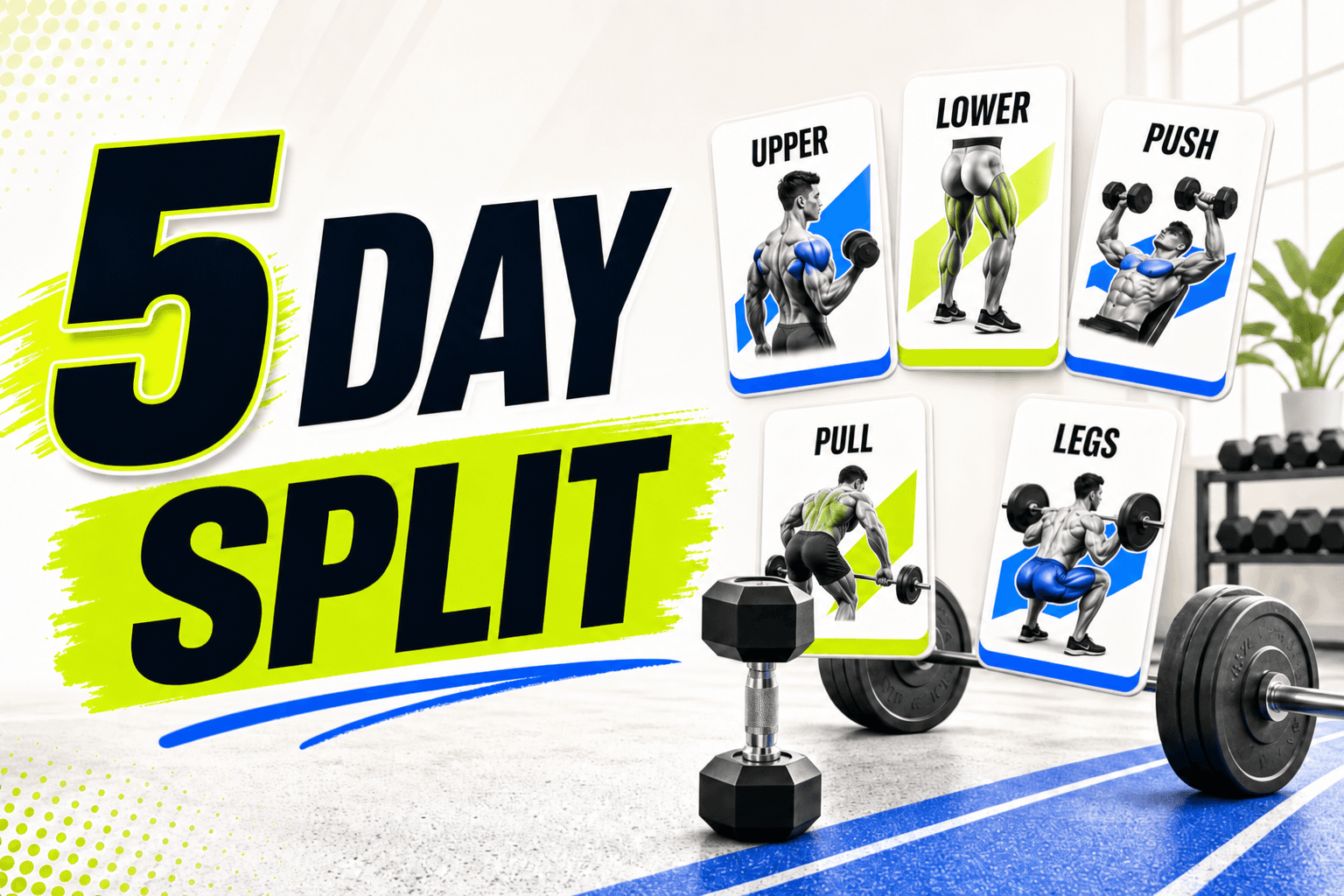
5 days per week also works: run push, pull, legs on a rolling basis and let the schedule float across the week. The downside is your training days shift week to week, which some schedules cannot absorb.
A 2026 meta-regression by Pelland et al. covering 67 studies found a positive weekly-volume dose-response with diminishing returns, while frequency's independent hypertrophy effect was compatible with being negligible. Pick the version whose schedule you can actually keep.
One cycle per week, roughly 60 minutes per session, 15-20 working sets per day.
The 3-day push pull legs workout
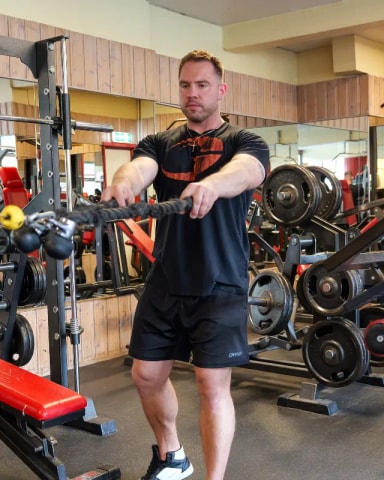
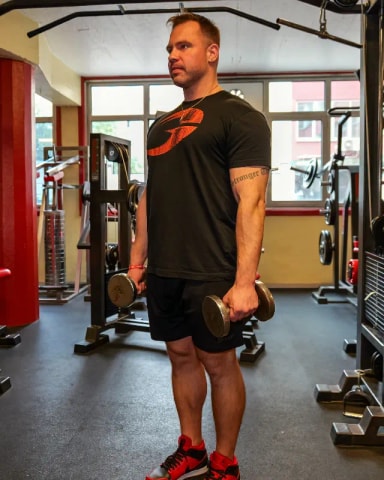
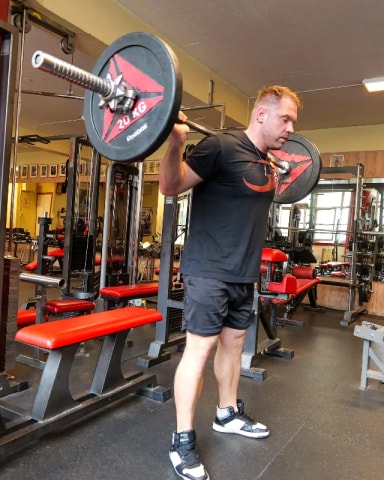
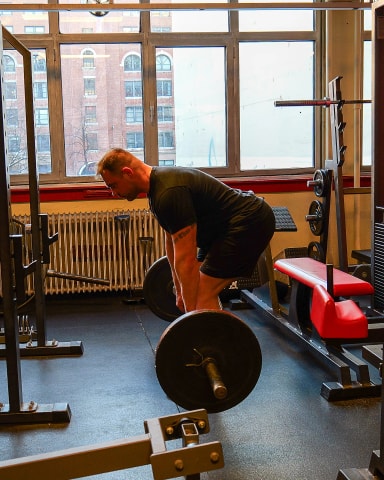
A complete Hypro editorial PPL example with public exercise guides, movement images, sets, and rep ranges. It is not the exercise list from a protected Premium plan.
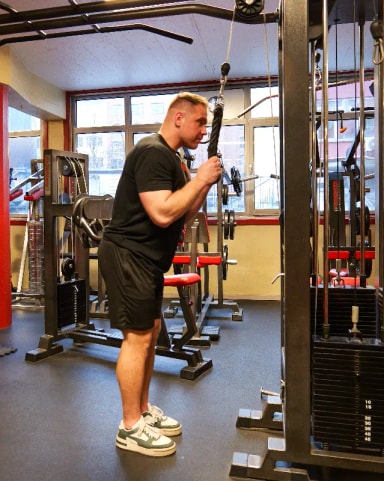
Push
Chest, shoulders, and triceps
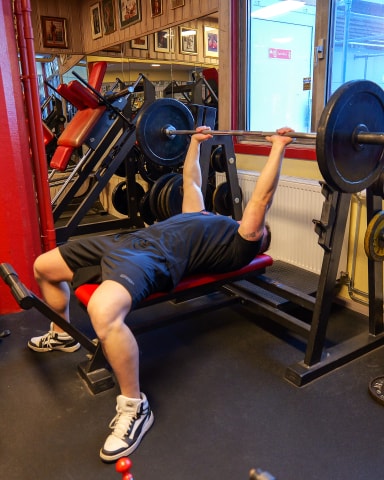
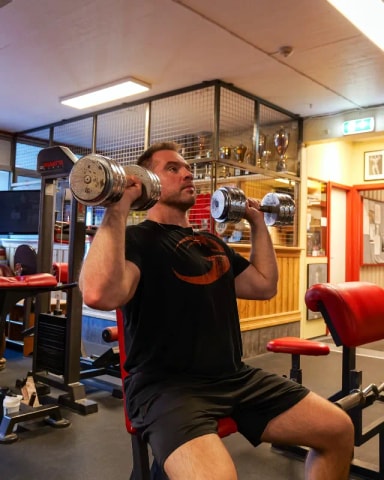
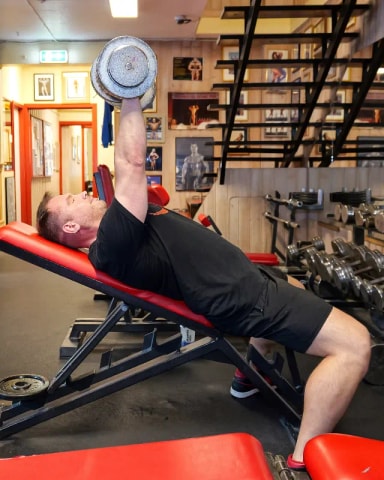
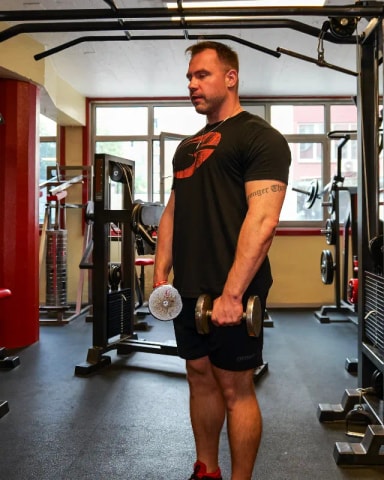
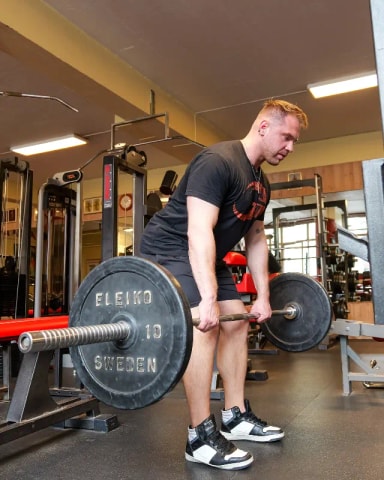
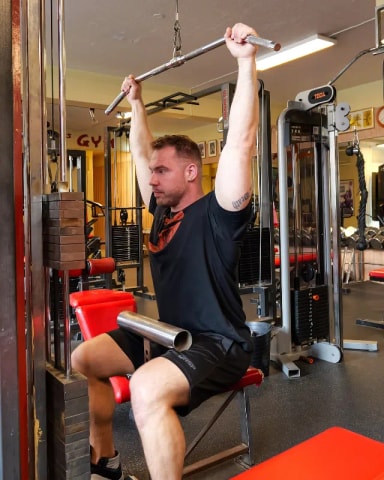
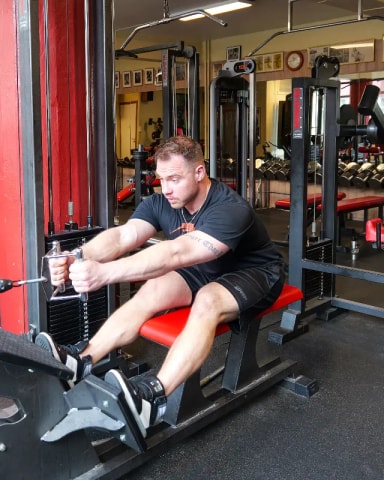
Pull
Back, rear delts, and biceps
Legs
Quads, hamstrings, glutes, and calves
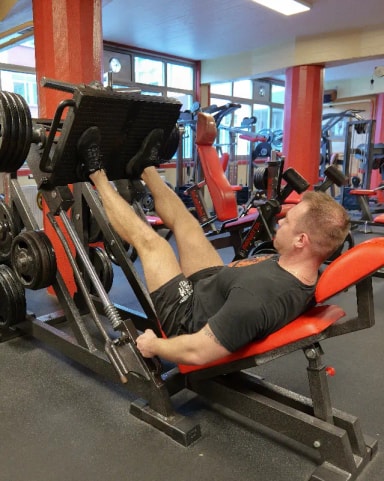
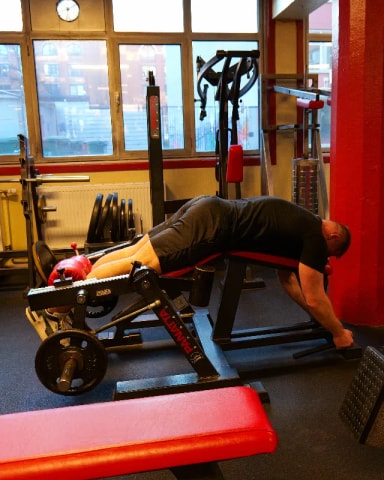
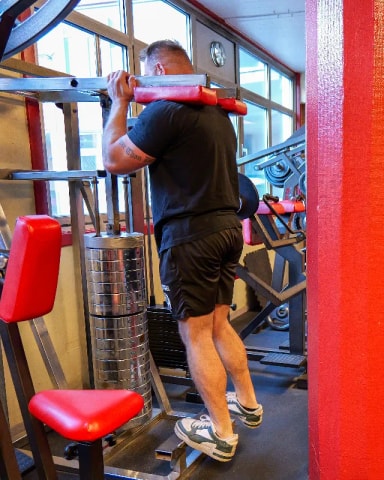
Keep most working sets around 1-3 RIR. Rest 2-3 minutes on compound lifts and 60-90 seconds on isolation work, extending the rest when performance still needs it (rest period guide).
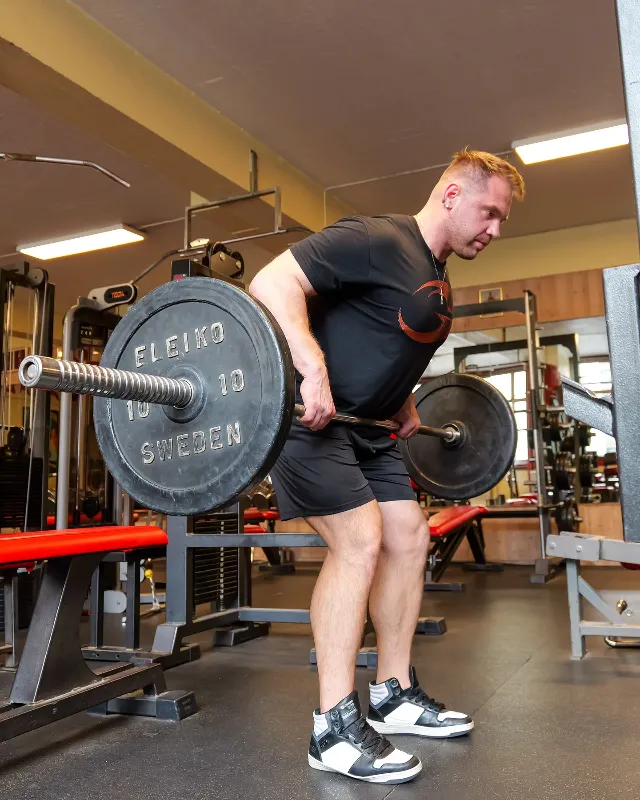
The 6-day PPL schedule
Run the same three days twice: push, pull, legs, push, pull, legs, rest. Vary the second cycle slightly. A common approach is to make the first cycle heavy (6-10 reps) and the second volume-focused (10-15 reps).
| Day | Session |
|---|---|
| Monday | Push (heavy) |
| Tuesday | Pull (heavy) |
| Wednesday | Legs (heavy) |
| Thursday | Push (volume) |
| Friday | Pull (volume) |
| Saturday | Legs (volume) |
| Sunday | Rest |
Weekly volume lands around 12-20 challenging sets per major muscle group in this sample. That is a program dose, not a universal optimum. If six days is one day too many, drop the second leg day and run 5 days.
PPL vs upper/lower: which should you pick?
When weekly volume is matched, a 2024 meta-analysis of 14 studies found no significant difference in muscle growth between split types. The decision is practical:
- Train 4 days per week? Upper/lower fits a fixed week neatly. PPL can still rotate, but the weekdays change.
- Train 5-6 days per week? PPL spreads the cycle across more, shorter sessions.
- Train 3 days per week? Both work. Full body gives higher frequency per muscle, PPL gives more focus per session.
Use the weekly sets calculator to set per-muscle targets for whichever split you choose, then verify your plan actually hits them. For a full comparison of every split type by training days, see the best workout split guide.
Browse Hypro's ready-made PPL plans, try one demo day for free, or test complete plans during the 7-day Premium trial.
Browse training plans
Maciej Glowacki
Founder and CEO of Hypro. Built the platform from the ground up with years of hands-on lifting experience.