6-Day Workout Split for Muscle Gain: PPL Gym Schedule
The best 6-day workout split for muscle gain is push/pull/legs repeated twice: push, pull, legs, push, pull, legs, rest. This 6-day gym workout schedule trains each muscle twice a week and keeps sessions focused. Below you get a complete editorial PPL routine with exercises, sets and reps for all six days, plus progression and recovery guidance.
 Maciej Glowacki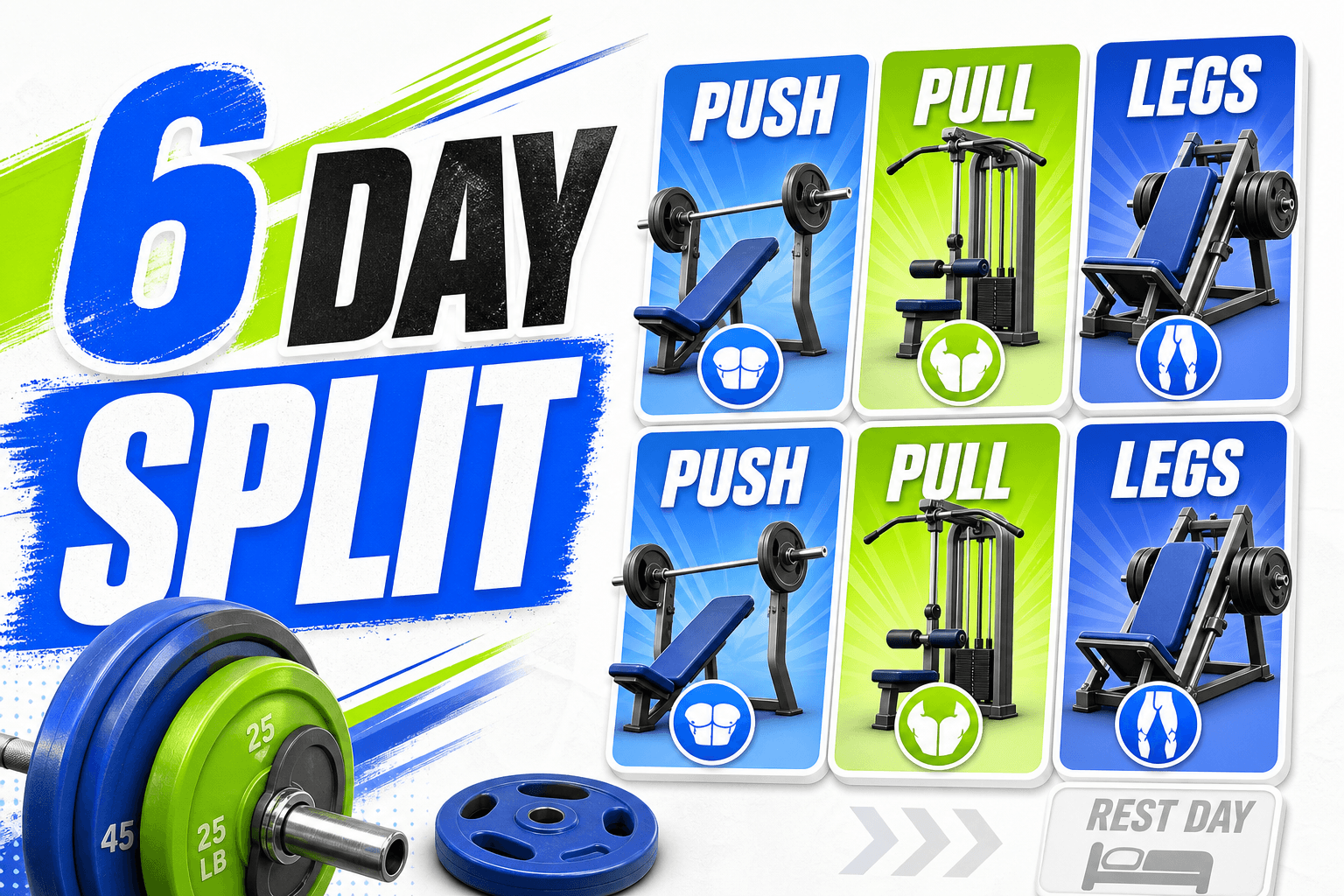
What is the best 6-day workout split for muscle gain?
The best 6-day workout split for muscle gain for most intermediate and advanced lifters is a push/pull/legs routine repeated twice per week. Run push, pull, legs, push, pull, legs, rest. It trains every major muscle group twice weekly while spreading the work across focused 45-60 minute sessions.
Six days is a way to distribute training, not a growth multiplier by itself. A 2019 meta-analysis of 25 studies found no meaningful hypertrophy difference between higher and lower frequencies when weekly volume was matched. The schedule earns its recovery cost when shorter sessions improve your set quality, make enough weekly work practical, or simply fit the way you prefer to train.
Key takeaways:
- The default 6-day PPL split is push, pull, legs, repeated, followed by one rest day.
- This structure trains each muscle twice a week without repeating the exact same workout.
- Use lower rep ranges and heavier compounds in the first rotation, then moderate rep ranges in the second.
- The complete six-day editorial routine below includes exercises, sets and reps; it is not Dawid's Premium plan.
- A 6-day workout routine is best for experienced lifters who can recover and complete all six sessions consistently.
- Beginners do not need six gym days to gain muscle and will usually progress with a simpler schedule.
6-day gym workout schedule: train each muscle twice a week
This is the recommended 6-day gym workout schedule for building muscle. The exercise categories show what each day needs to accomplish without publishing the exercise list from Hypro's Premium plan.
| Day | Session | Muscles trained | Exercise emphasis |
|---|---|---|---|
| Monday | Push A (strength) | Chest, shoulders, triceps | Horizontal press, overhead press, triceps |
| Tuesday | Pull A (strength) | Back, biceps, rear delts | Vertical pull, row, rear delts, curls |
| Wednesday | Legs A (strength) | Quads, hamstrings, glutes, calves | Squat pattern, hip hinge, calves |
| Thursday | Push B (hypertrophy) | Chest, shoulders, triceps | Incline press, lateral delts, triceps |
| Friday | Pull B (hypertrophy) | Back, biceps, rear delts | Pulldown, supported row, rear delts, curls |
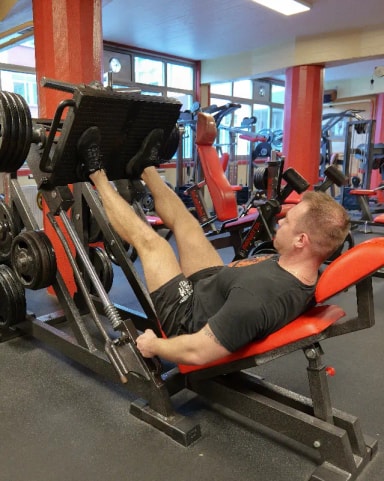
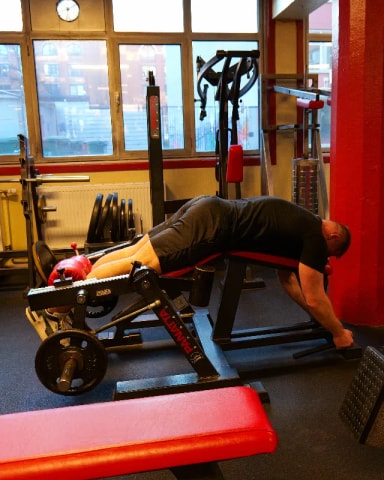
| Saturday | Legs B (hypertrophy) | Quads, hamstrings, glutes, calves | Leg press or split squat, leg curl, calves |
| Sunday | Rest | Recovery | No lifting required |
How the 6-day PPL split trains every muscle twice
Push days cover chest, front and side delts, and triceps. Pull days cover lats, upper back, rear delts, and biceps. Leg days cover quads, hamstrings, glutes, and calves. Repeating those three movement groups means each muscle is trained twice a week, usually with 72 hours before its next direct session.
Do not make the second rotation a copy-and-paste repeat. The A days can emphasize heavier compound work in roughly the 5-8 rep range; the B days can use more stable exercises and moderate-to-high rep ranges. The structure stays PPL, but the stimulus and fatigue profile change.
Complete 6-day PPL workout: exercises, sets and reps
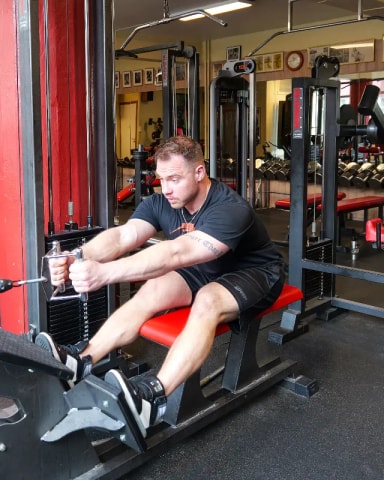
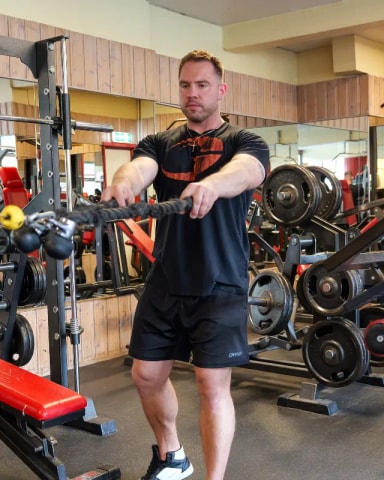
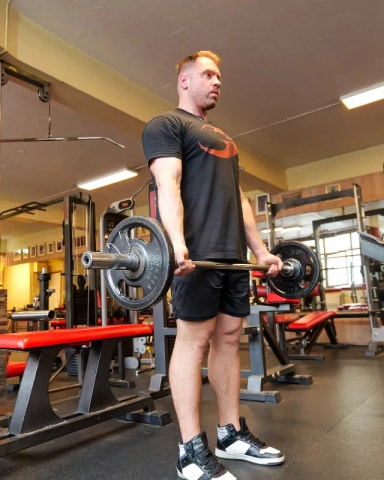
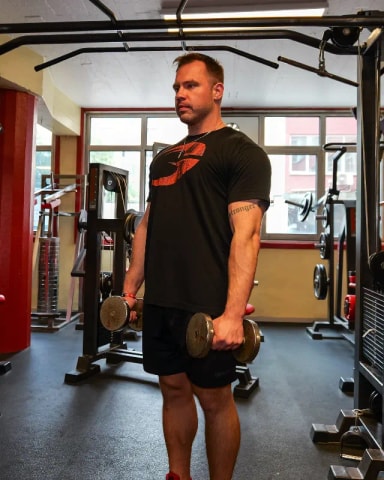
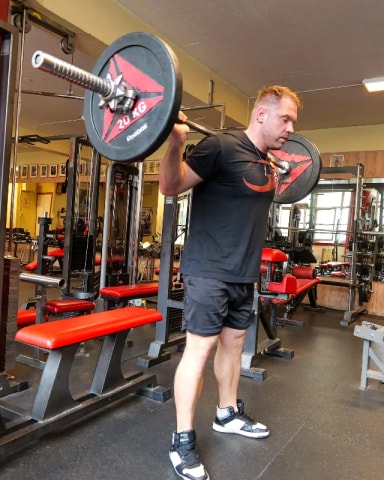
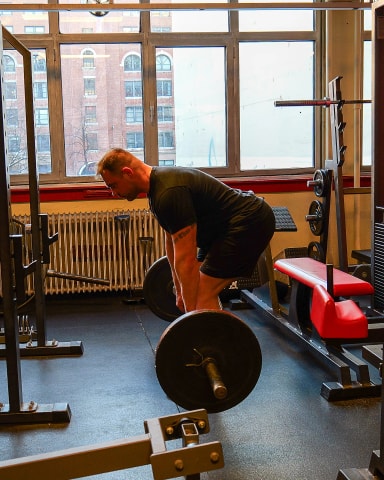
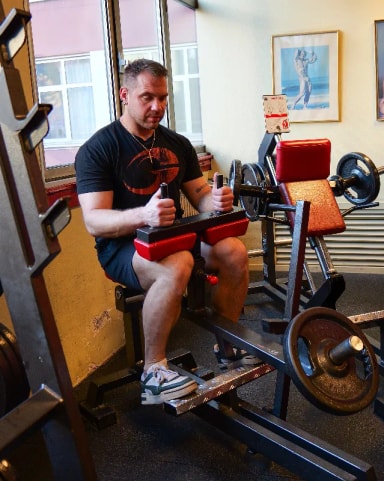
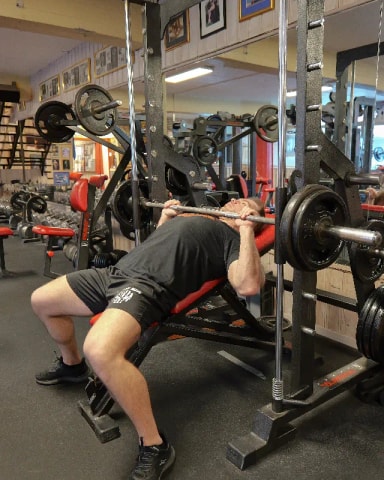
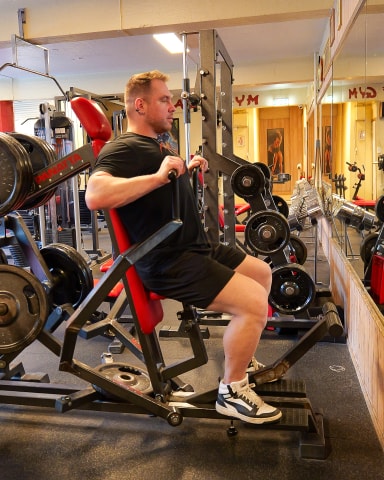
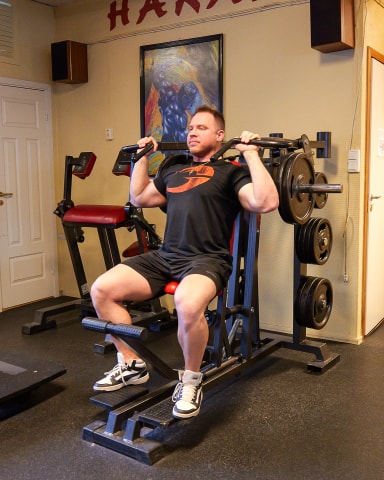
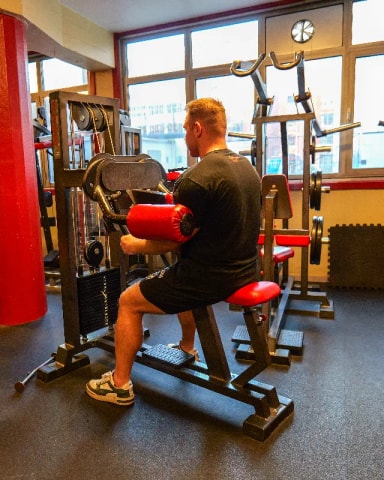
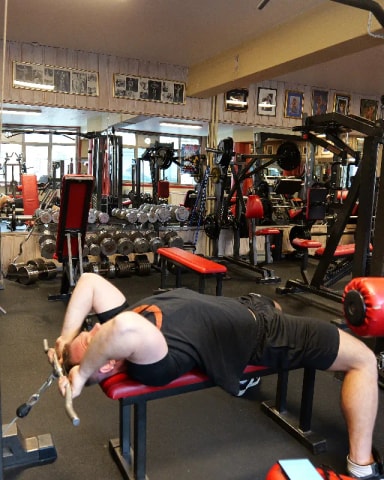
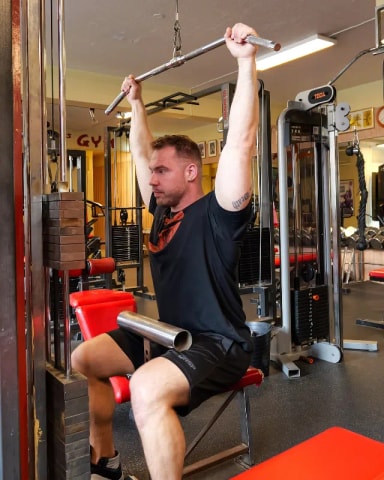
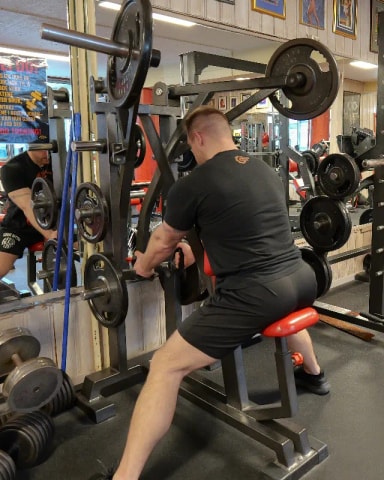
This is a Hypro editorial example—not the exercise list from Dawid Kowalczyk's Premium plan. Exercise names link to free movement guides with instructions and muscles worked.
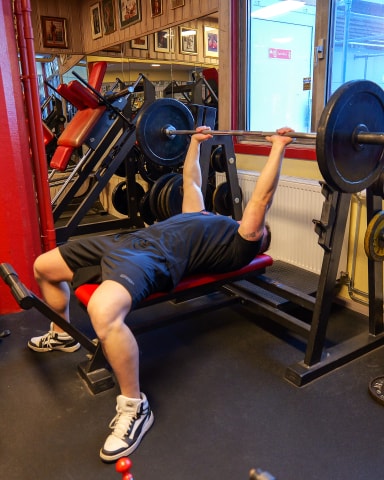
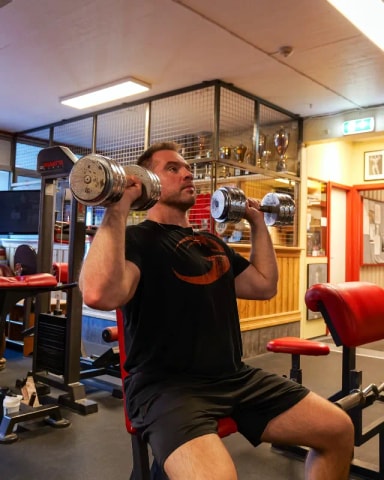
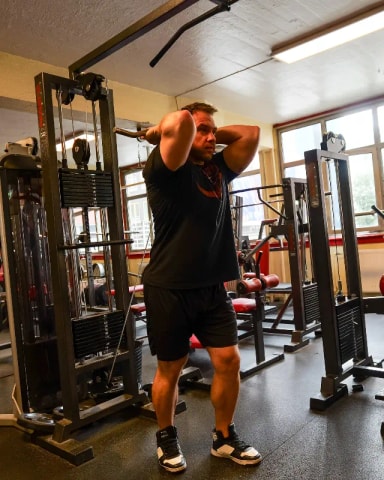
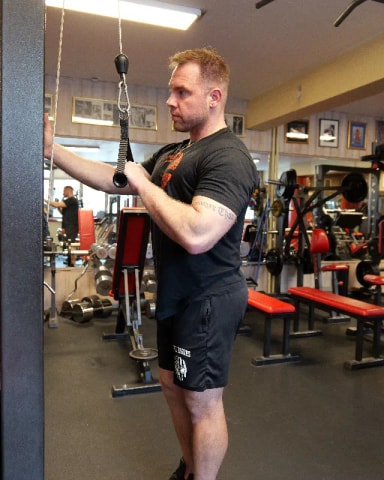
Push A
Strength emphasis
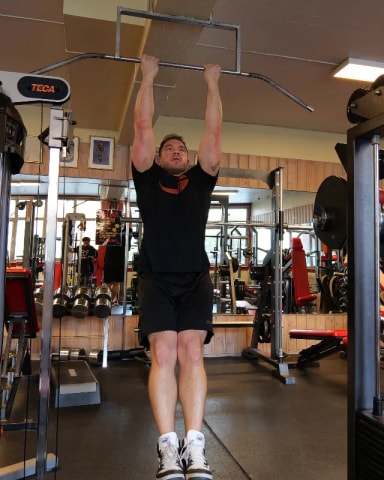
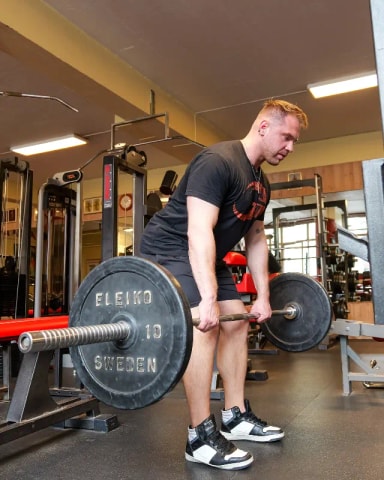
Pull A
Strength emphasis
Legs A
Strength emphasis
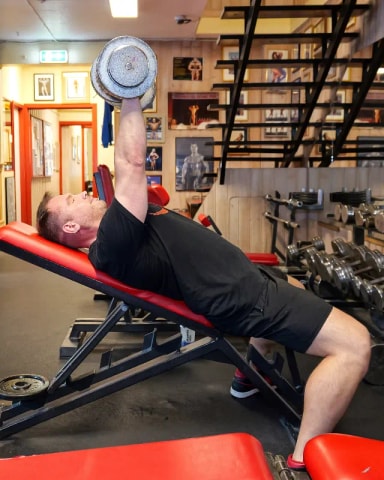
Push B
Hypertrophy emphasis
Pull B
Hypertrophy emphasis
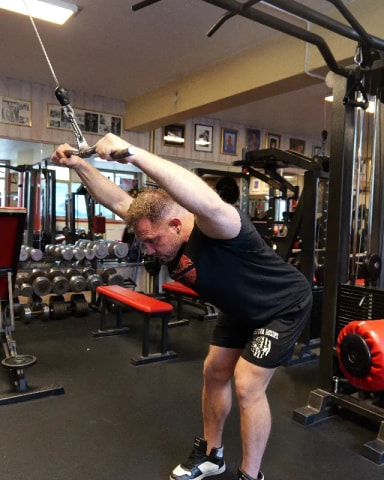
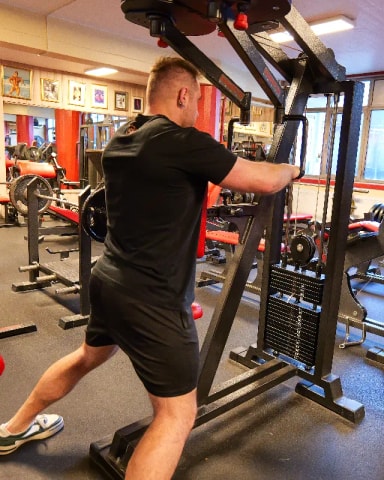
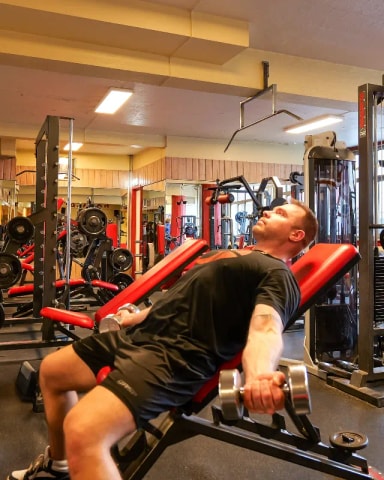
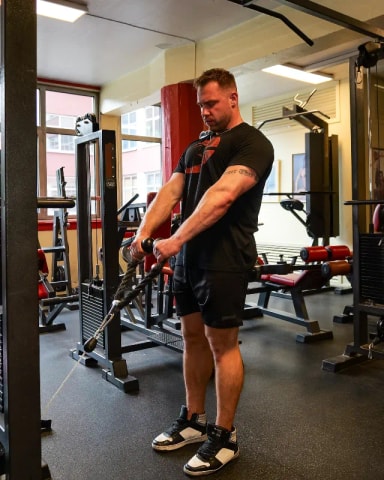
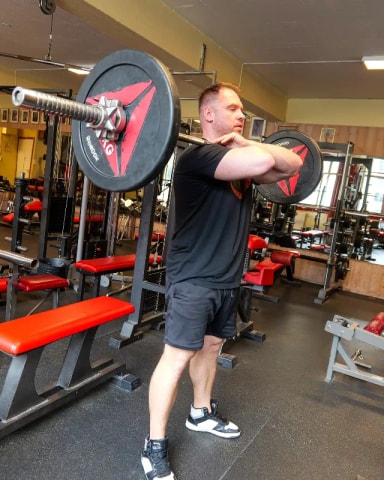
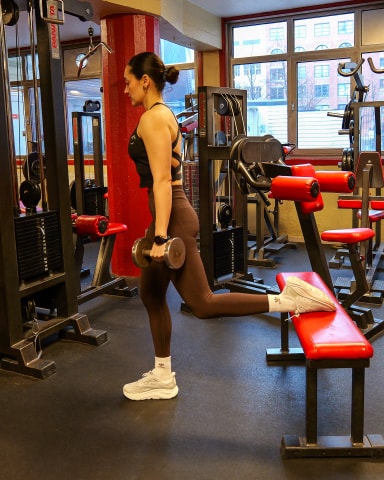
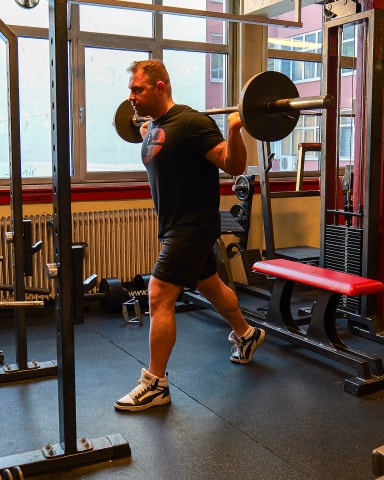
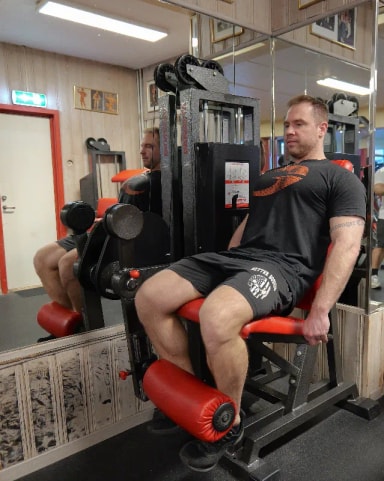
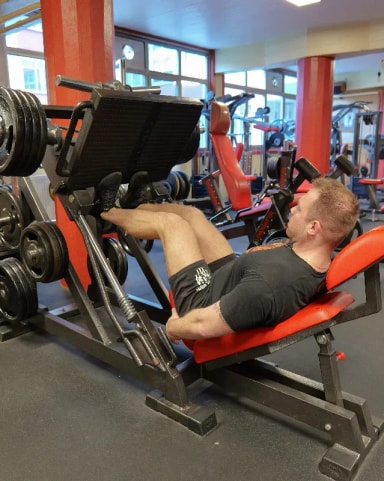
Keep most sets around 1-3 reps in reserve (RIR). Rest 2-3 minutes after compound exercises and 60-120 seconds after isolation exercises, taking longer when you need it to repeat the target performance. Warm-up sets prepare the movement and do not count toward the working sets above.
How to progress a 6-day workout routine for muscle growth
- Start with a load that keeps every working set inside its rep range at the target RIR.
- Add reps before load. For example, progress the bench from 8, 7, 6 reps toward 8, 8, 8 with the same weight.
- When every set reaches the top of its range with sound technique, add the smallest practical load and build up again.
- Keep the main exercises stable long enough to judge progress. Change one when it causes pain, equipment is unavailable, or it repeatedly stalls after recovery and technique are addressed.
- If reps or load regress across several sessions, review sleep, food intake, proximity to failure, and total weekly work before adding more sets.
Apply the same method to the other five sessions. Exercises and set counts can change, but the rule stays consistent: progress repeatable work instead of chasing failure on every set.
How many sets per muscle on a 6-day workout plan?
Start with a workload you can repeat and progress. For this PPL schedule, a practical first allocation is about 10-12 weekly direct sets for chest, back, and quads and 6-10 direct sets for hamstrings, side/rear delts, biceps, and triceps. Compound lifts also train assisting muscles, so do not treat every indirect set as zero—or as a full direct set.
Split the weekly total across the two relevant days rather than forcing it into one session. More is not automatically better: a 2026 dose-response analysis found that additional weekly volume was associated with more hypertrophy on average, but with diminishing returns per added set. Add sets only when performance and recovery show that the current dose is no longer enough.
The coach behind Hypro's 6-day plan
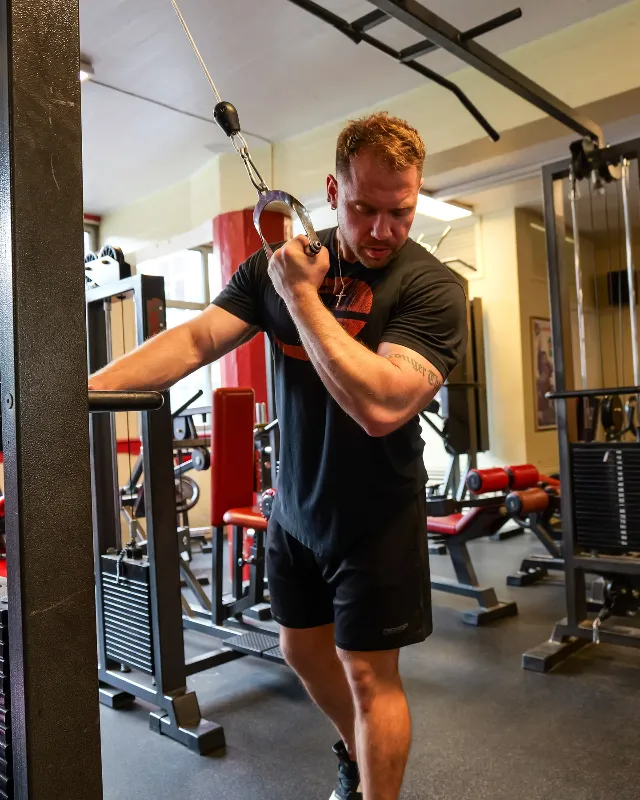
Hypro's official 6-Day Pro Bodybuilding plan was built by Dawid Kowalczyk, Hypro's head trainer, a personal trainer and bodybuilding coach in Oslo, and an active bodybuilding competitor. His coaching draws from bodybuilding, powerlifting, powerbodybuilding, and strongman, and he helped shape Hypro's training and progression tools around how he works with real clients.
The plan runs for 8 weeks, schedules 6 sessions per week, and averages about 58 minutes per session. Its overview and weekly day structure are visible on the public plan page. In Explore, a free account can preview every workout day and exercise list and run one demo workout day. Premium is required to activate, follow, and log the complete program, which you can test during Hypro's 7-day Premium trial.
Should a 6-day workout split train each muscle twice a week?
Usually, yes. If you are already committing six days to lifting, training each muscle twice a week lets you divide its weekly sets across two fresher sessions. That is a programming advantage, not proof that twice-weekly frequency builds more muscle by itself: when weekly volume is matched, the evidence does not show a meaningful average hypertrophy advantage from higher frequency.
A 6-day single-muscle workout split can still build muscle, but it usually puts most of a body part's work into one long weekly session. PPL twice is the cleaner default because chest, back, legs, shoulders, and arms all receive a second exposure without needing huge one-day workloads.
Other 6-day workout routines: Arnold, upper/lower, and single-muscle
| Split | Weekly sequence | Muscle frequency | Best fit |
|---|---|---|---|
| PPL twice | Push, pull, legs, repeated | 2x | Balanced hypertrophy and focused sessions |
| Arnold split | Chest/back, shoulders/arms, legs, repeated | 2x | Delt and arm priority |
| Upper/lower three times | Upper and lower repeated | 3x | Frequent practice on compound lifts |
| Single-muscle/body-part split | Chest, back, shoulders, quads, posterior chain, arms | Mostly 1x | Lifters who strongly prefer body-part focus |
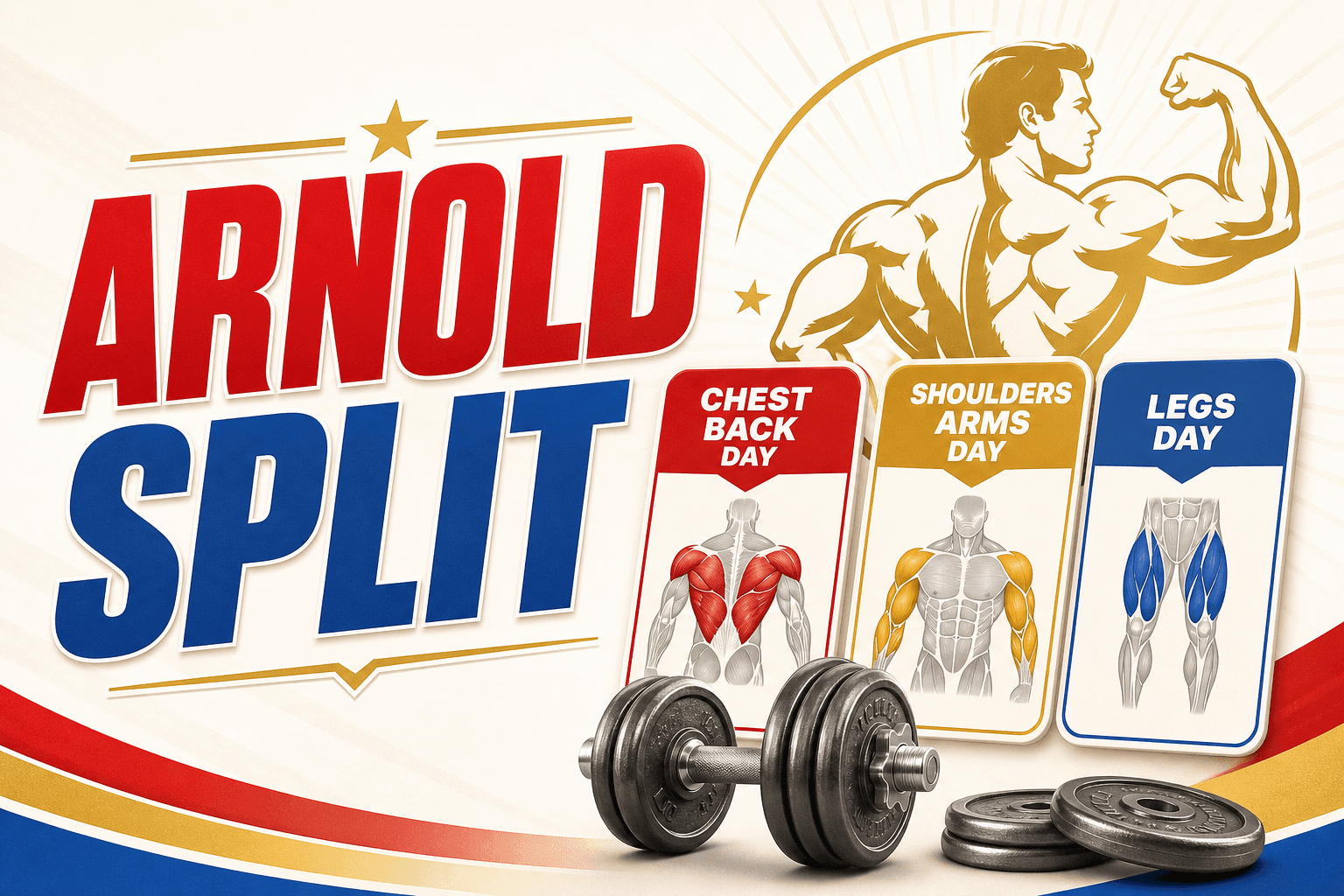
Arnold 6-day split
The Arnold split groups chest with back, shoulders with arms, and keeps legs separate. Pairing chest and back allows antagonist supersets, while a dedicated shoulders-and-arms day makes those muscles easy to prioritize.
| Day | Session |
|---|---|
| Monday | Chest and back |
| Tuesday | Shoulders and arms |
| Wednesday | Legs |
| Thursday | Chest and back |
| Friday | Shoulders and arms |
| Saturday | Legs |
| Sunday | Rest |
A 2024 meta-analysis of 14 studies found no hypertrophy difference between split types at equal volume, so choose by structure: Arnold if delts and arms are the priority, PPL for even balance. The full routine with modern volume targets is in the Arnold split guide.
Upper/lower 6-day split
Run the upper/lower split three times through: upper, lower, upper, lower, upper, lower, rest. Every muscle lands 3x per week with moderate volume per session.
This suits lifters who like frequent practice on the big lifts: a 2018 meta-analysis by Grgic et al. found an apparent strength benefit from higher frequency, though the authors noted that extra volume explained much of it. The downside is repetition and overlapping fatigue, since chest, back, and shoulders all work on three separate days. PPL may feel more focused; upper/lower offers more frequent practice. Neither grouping owns hypertrophy.
6-day single-muscle workout routine
A body-part version can assign chest, back, shoulders, quads, posterior chain, and arms to separate days. It is simple and gives each area plenty of time before its next direct session. The trade-off is set quality: fitting a muscle's entire weekly dose into one workout can make the later sets less productive. Use it because you enjoy that structure, not because training one muscle per day has a unique growth effect.
Who should use an advanced 6-day workout split?
An advanced 6-day workout split is a good fit when you already train consistently, your technique is stable, four or five sessions are becoming too long, and you can recover from the weekly work. It is a poor fit when six days is only an aspirational schedule or when sleep, food intake, and life stress already make recovery unreliable.
Six days earns its single rest day when it improves how you deliver your weekly work. If the same recoverable dose fits comfortably into 4-5 sessions, another day is optional. It may still suit your preferences, but it is not a hidden growth lever.
Is a 6-day workout split good for beginners?
A 6-day workout split for beginners is usually unnecessary. New lifters can progress with fewer exercises and less weekly volume, while additional rest days make consistency and technique practice easier. Start with three full-body sessions or four upper/lower sessions unless six short workouts clearly fit your life better and the workload is deliberately modest.
Is working out 6 days a week too much?
Running 6 days also raises the stakes on recovery. Performance dropping across several lifts can reflect accumulated fatigue, but it can also follow poor sleep, low food intake, illness, or a badly distributed week. Review those factors first. If the pattern persists, reduce recent workload or use a deload week. The best workout split guide compares all schedules if you want to sanity-check whether 6 days is your best option.
Preview every day in Dawid Kowalczyk's 8-week bodybuilding plan and run one demo workout for free. Follow the complete program with Hypro's 7-day Premium trial.
View the 6-day plan
Maciej Glowacki
Founder and CEO of Hypro. Built the platform from the ground up with years of hands-on lifting experience.