Full Body Workout Plan: Train 2, 3, or 4 Days a Week
A full body workout plan gives every gym visit a simple job: train the major muscle groups, then go live the rest of your life. It works especially well when you have 2 or 3 weekly sessions. You will get a complete 2-day routine, a 3-day setup, a 4-day outline, and a simple way to progress.
 Maciej Glowacki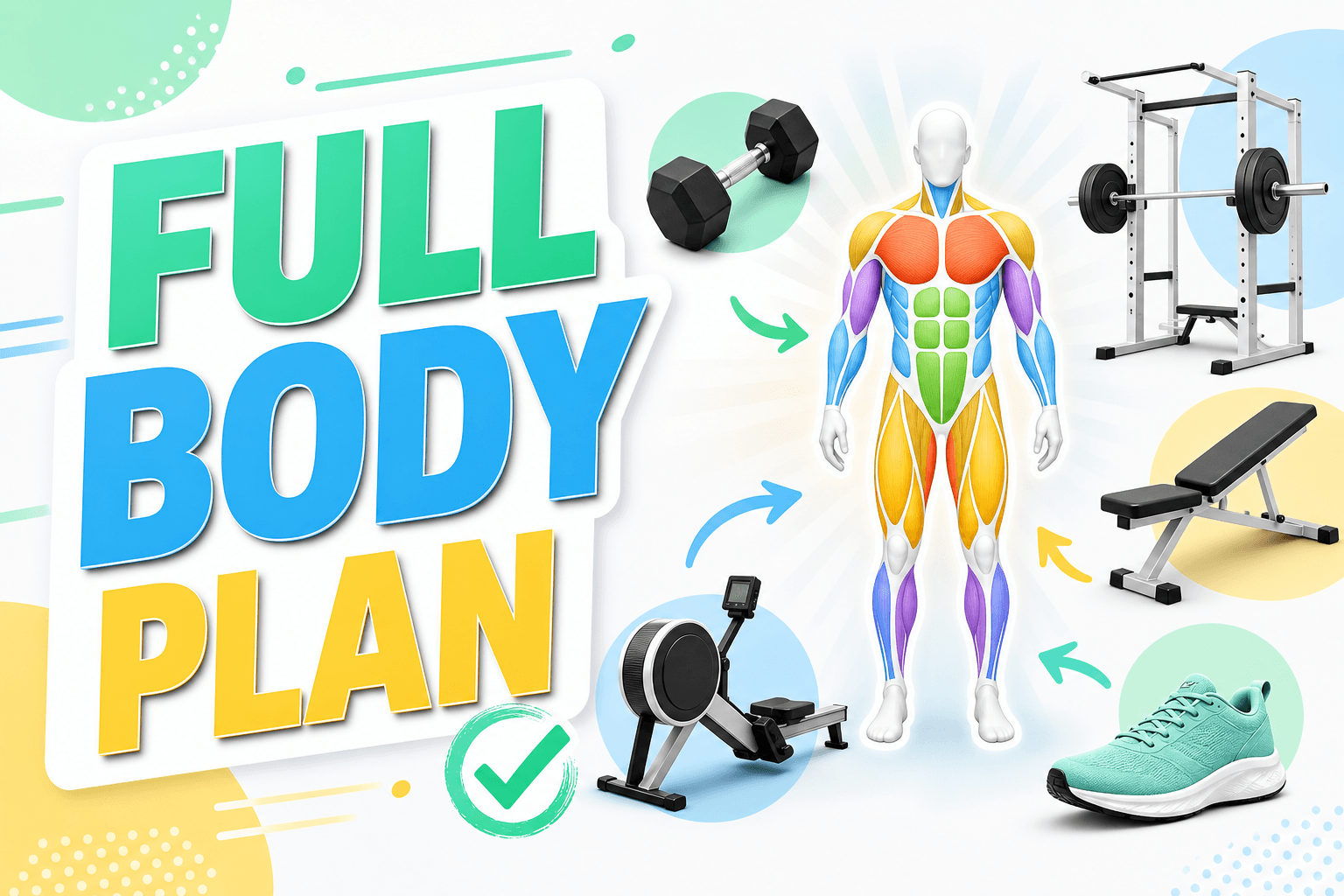
What does a full-body workout include?
A full-body session trains the legs, chest, back, shoulders, and arms. Most workouts use 5-6 exercises, with the bigger lifts first. You can run the plan 2, 3, or 4 times per week depending on your schedule.
It is less glamorous than naming a day after one body part, but the structure is hard to waste. A 2024 review of 14 studies and 392 people found similar strength and muscle growth from full-body and split routines when both did the same weekly work. Every session also gives you another chance to practice the main lifts, which is useful when gym days are limited.
Key takeaways:
- Full body means every major muscle appears in each session, usually through 5-6 exercises and 2-4 direct sets per movement pattern.
- At equal weekly volume, full body grows muscle as well as upper/lower or PPL (2024 meta-analysis).
- Even 2 days per week can build strength and provide a useful muscle-building dose. More days mainly give you room to distribute additional work.
- Start with a rest day between full-body sessions. Consecutive days require different emphases and careful control of overlap.
- The structure stops scaling past 4 days: at 5-6 weekly sessions, switch to a split so each session can stay productive.
Two sessions per week is not the waiting room for a "real" program. It is a valid choice for a busy season. A 2020 systematic review by Androulakis-Korakakis, Fisher, and Steele found that very low-dose training could still increase squat and bench-press 1RM in resistance-trained men, though the authors called those gains suboptimal and noted important evidence gaps. That supports a modest strength claim, not a promise that minimum work maximizes muscle growth.
Train Monday and Thursday, or use two other well-separated days:
The 2-day full body plan (minimum effective dose)
Run these two Hypro editorial workouts on well-separated days. Every movement links to a public exercise guide; this example is separate from protected Premium plans.
Workout A
Squat and horizontal press emphasis
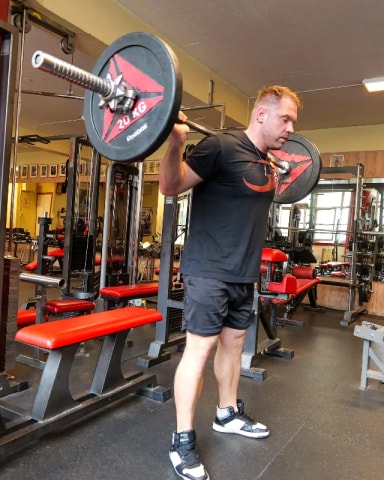
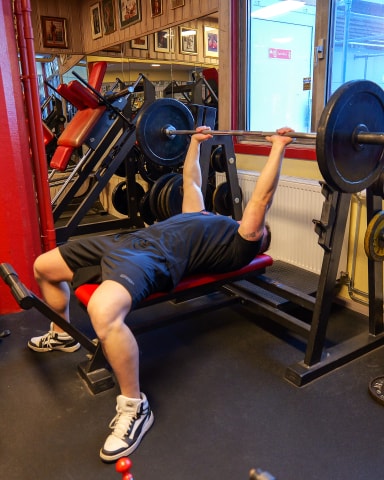
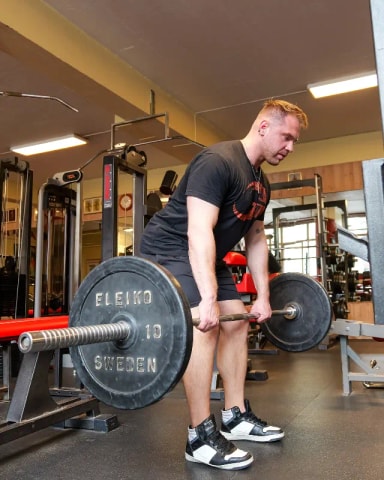
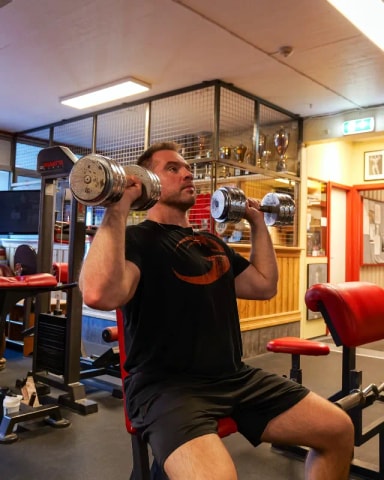
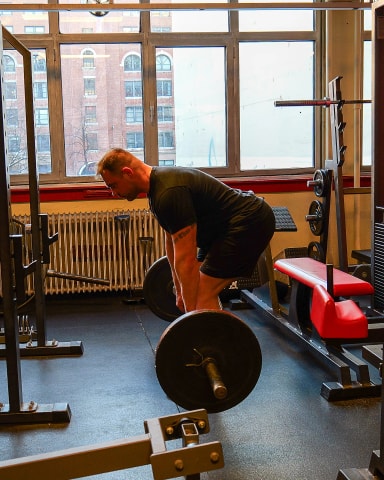

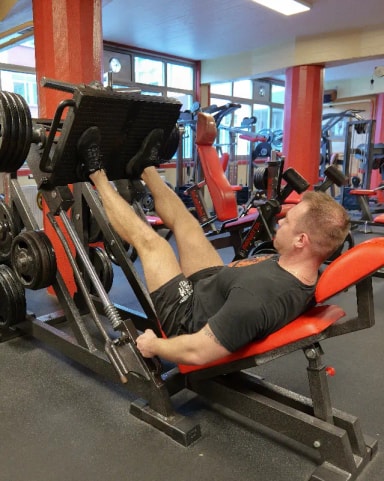
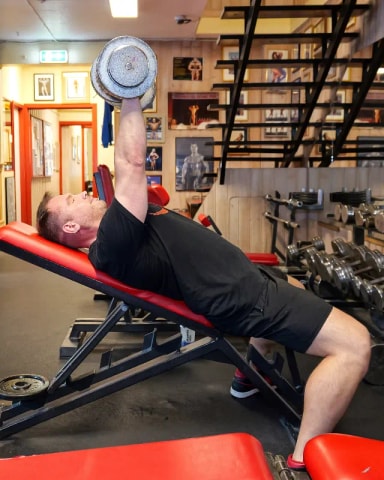
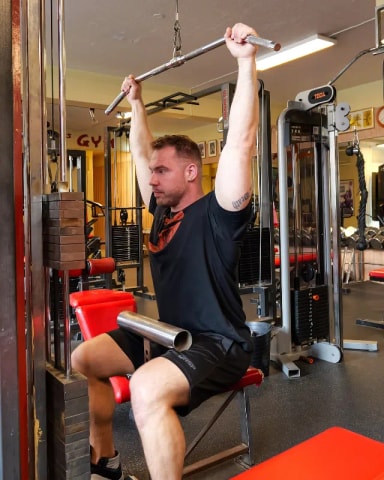
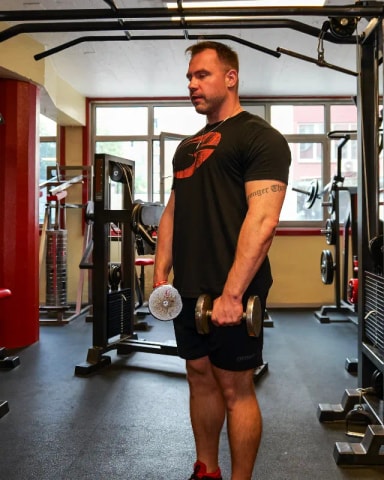
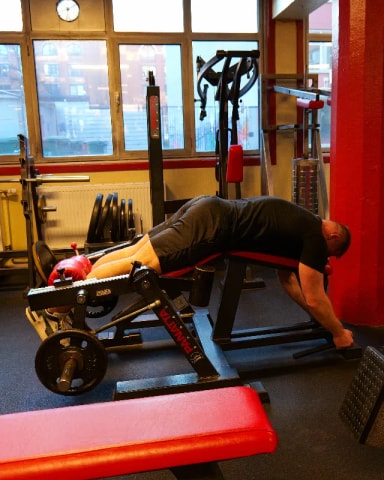
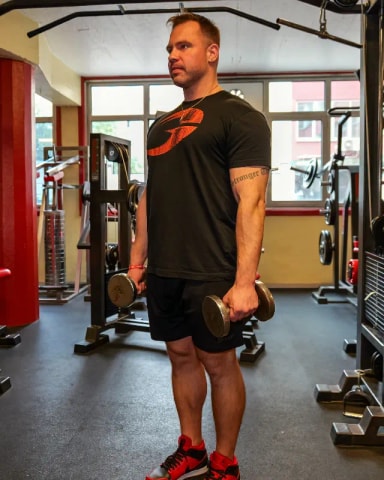
In this 2-day routine, chest, back, and quads receive about 6 direct sets per week; shoulders and hamstrings about 4; and arms fewer direct sets plus indirect work. Each workout contains 15 working sets. More recoverable volume may produce more growth on average, with diminishing returns, but there is no universal line where productive training begins.
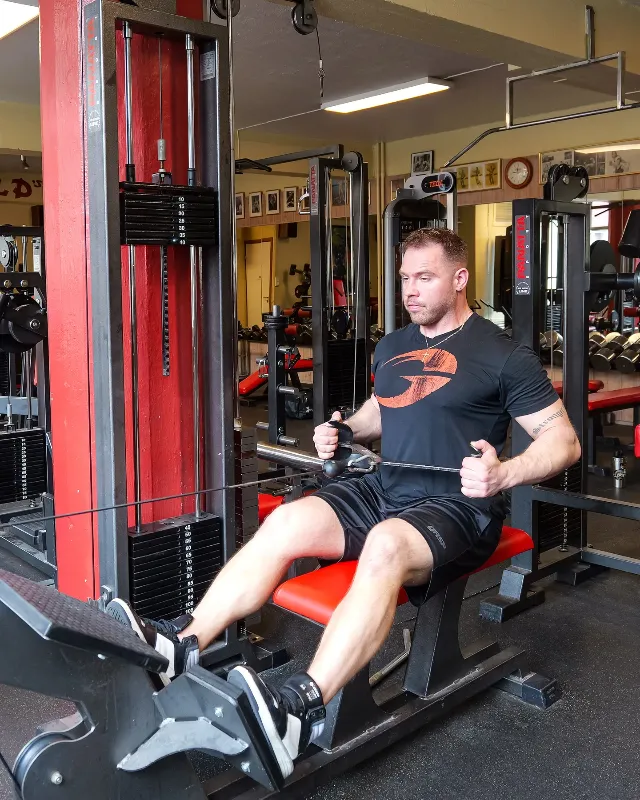
The 3-day full body plan (recommended)
Three sessions on non-consecutive days is a practical setup: every muscle is trained 3x per week, weekly work is spread across manageable sessions, and rest days sit between them. A 2019 meta-analysis of 25 studies found no meaningful hypertrophy advantage to higher frequency when weekly volume was matched, so the benefit here is efficient distribution and frequent skill practice.
| Day | Session |
|---|---|
| Monday | Workout A |
| Wednesday | Workout B |
| Friday | Workout A (swap next week) |
The complete workouts, weekly volume math, and scheduling rules live in the 3-day workout split guide. Alternate the A and B templates so week one runs A/B/A and week two runs B/A/B.
The 4-day full body plan
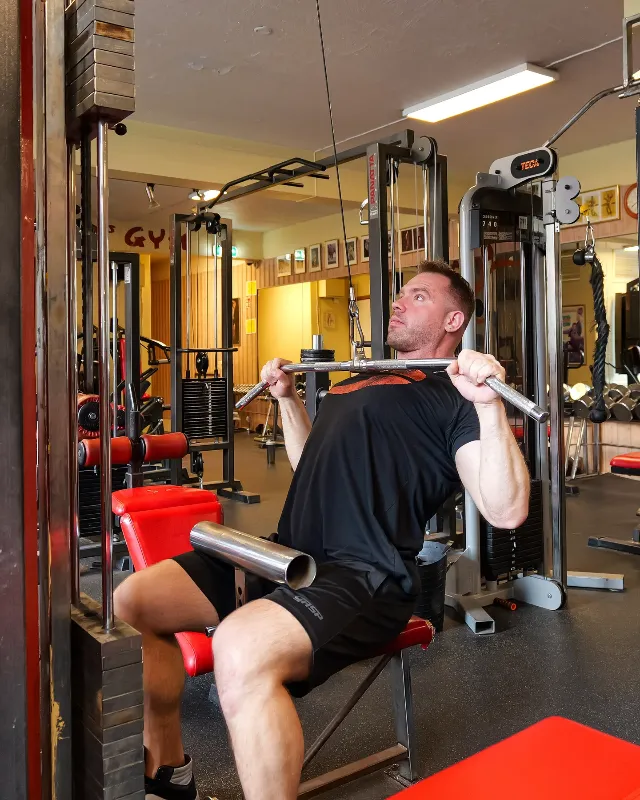
Four full-body days works if you manage overlap deliberately: moderate work per session, exercises rotated so the same movement is not loaded hard on consecutive days, and weekly sets kept recoverable rather than multiplied simply because another day exists.
| Day | Emphasis |
|---|---|
| Monday | Heavy lower, moderate upper push |
| Tuesday | Heavy upper pull, light lower |
| Thursday | Heavy upper push, moderate lower |
| Friday | Moderate pull, isolation focus |
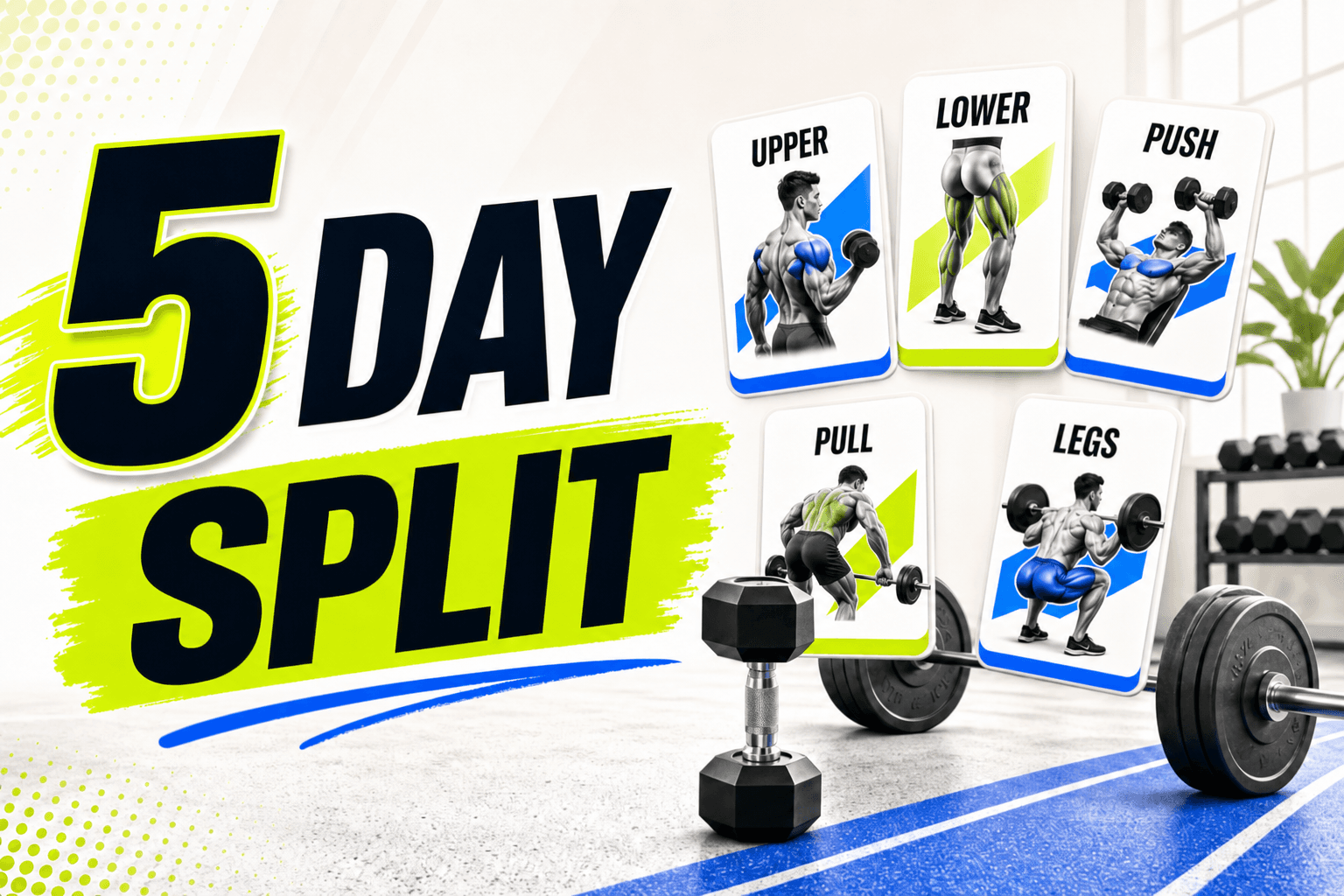
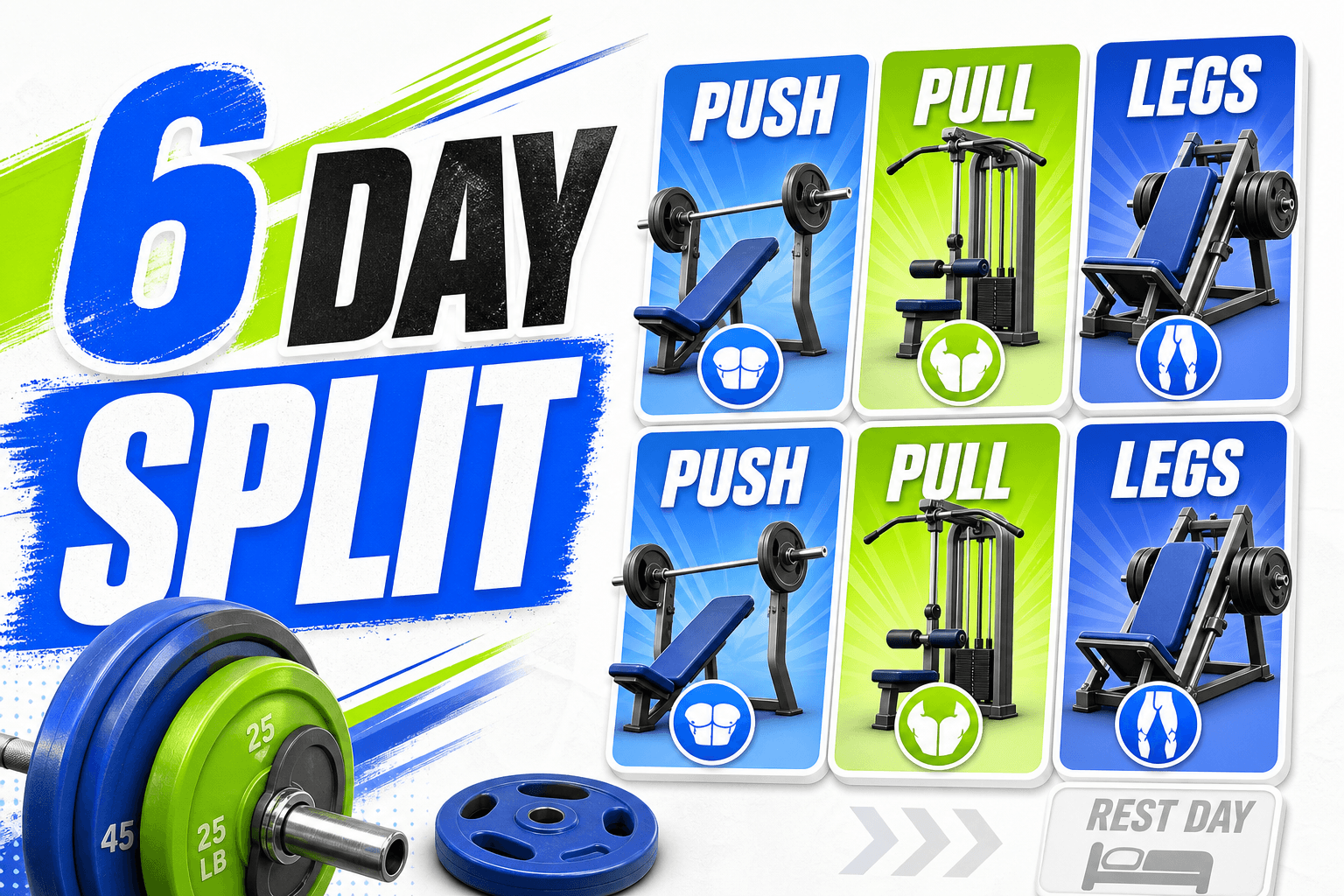
Honest note: at 4 days, upper/lower is usually simpler. It distributes the week without requiring as much exercise rotation to manage overlap. Choose 4-day full body if you genuinely prefer whole-body sessions; choose upper/lower if you want the easier default. The best workout split guide compares both.
How to progress a full body plan
Full body lives or dies on progression, because you repeat the same lifts 2-4 times per week:
- Choose a useful starting weight. The hypertrophy calculator turns a recent hard set into suggested weights for different rep ranges.
- Use double progression. Work from the bottom to the top of each rep range, then add 2.5 kg and start over. The progressive overload calculator automates the decision.
- Use RIR to control effort. Keep working sets challenging without grinding every one to absolute failure. A 2023 meta-analysis by Refalo et al. found no hypertrophy advantage to momentary muscular failure over non-failure training.
- Verify weekly volume. Count challenging direct sets and fractional indirect work using the weekly-volume starting guide. The weekly sets calculator provides an initial plan to refine from your progress and recovery.
Browse Hypro's full-body plans, try one demo day for free, or test complete plans during the 7-day Premium trial.
Browse training plans
Maciej Glowacki
Founder and CEO of Hypro. Built the platform from the ground up with years of hands-on lifting experience.